
10 Kitchen Safety Tips Every Home Cook Should Know
Most home cooks underestimate the risks lurking in their own kitchens until an accident happens. Cuts, burns, and fires can all be avoided with simple steps that protect you and your loved ones. This post shares 10 kitchen safety tips that cover everything from knife handling tips to the right cooking safety gear. Keep reading to learn how to prevent kitchen accidents and create a safer cooking environment every time you step in. Learn more about effective strategies for preventing kitchen injuries in kids.

Get FREE shipping on the Ove Glove today!
Essential Knife Handling Tips
Mastering knife skills is a fundamental step in kitchen safety. Let’s start by tackling how to handle knives with confidence.
Proper Grip Techniques
A firm grip on your knife can prevent accidents. Place your thumb and index finger on the blade’s sides while wrapping the remaining fingers around the handle. This grip gives you control, reducing the chance of slips. Practice this grip slowly before speeding up your chopping pace.
Consistency in your grip leads to safer slicing. If you’re new to this, take your time honing the technique. Remember, a rushed job can lead to mishaps, so prioritize safety over speed.
Cutting Board Safety
Your choice of cutting board matters. Opt for a board that stays put during use. Rubber grips or a damp cloth underneath can prevent sliding, offering a stable surface for cutting. A stable board minimizes accidents when slicing or chopping.
Keeping your cutting board clean is equally important. Bacteria can linger in cuts and grooves, so wash your board thoroughly after each use. Maintaining a clean cutting environment keeps contaminants at bay.
Cooking Safety Gear Essentials
Equipping your kitchen with proper safety gear can significantly reduce the risk of burns and other injuries. Let’s explore two key items.
Using Heat-Resistant Gloves
Heat-resistant gloves are your first line of defense against burns. Gloves like the Ove Glove offer protection when handling hot pots and pans. These gloves withstand high temperatures, shielding your hands.
Always check the glove’s heat rating before use. Different gloves protect against varying heat levels, so select one that fits your cooking needs. Remember, not all gloves are created equal.
Importance of Aprons
An apron is more than a fashion statement. It protects your clothes and skin from spills and splashes. Choose an apron made of thick material for better protection. It acts as a barrier between you and hot liquids or grease.
Wearing an apron is a simple step that offers dual benefits: cleanliness and safety. Plus, it can save your favorite outfit from a nasty stain.
Flame Safety in the Kitchen
Fire safety is crucial in any cooking environment. Understanding how to manage flames can prevent dangerous situations.
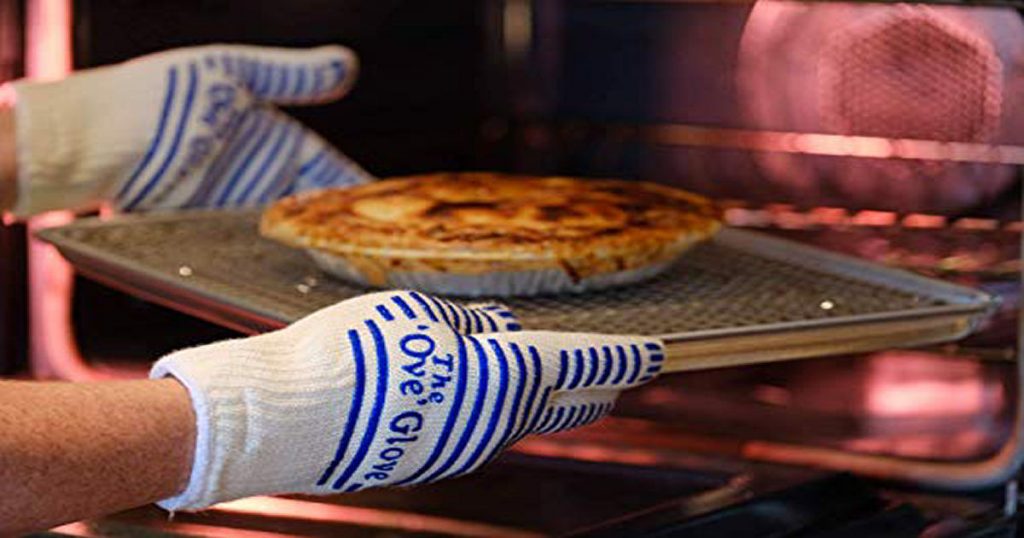
Keep your hands safe while cooking! Order today!
Managing Flammable Materials
Keep flammable items like paper towels and dishcloths away from open flames and stovetops. It’s easy to overlook these small items, but they can ignite quickly. Create a safe radius around your cooking area to minimize risk.
Store oils and sprays properly. These can catch fire if stored too close to heat sources. Keep them in a cool, dry place, away from the stove.
Safe Use of Stovetops
Never leave your stovetop unattended while cooking. It’s tempting to multitask, but unattended pots can boil over or catch fire. Stay nearby and keep an eye on your food.
Use appropriate cookware for your stovetop. Oversized pots can tip over, and small pans might not cover the burner entirely. Correct sizing prevents accidents and ensures even cooking.
Personal Protective Equipment in Cooking
Personal protective gear isn’t just for professionals. It plays a vital role in home kitchen safety, too.
Choosing the Right Gear
Select gear that suits your cooking style. Cut-resistant gloves are ideal for knife tasks, while heat-resistant options protect against burns. Assess your needs to determine the best fit.
Invest in quality gear from reputable brands. Reliable equipment offers better protection and lasts longer, providing peace of mind as you cook.
Maintenance and Storage Tips
Proper care for your protective gear ensures its longevity. Clean gloves and aprons after each use to prevent wear and tear. Inspect them regularly for damage and replace them when necessary.
Store your equipment in a designated space. Keeping your gear organized makes it easy to grab when needed, especially during busy cooking sessions.
Kitchen Injury Prevention Strategies
A proactive approach to kitchen safety can prevent injuries before they happen. Let’s look at some effective strategies.
Creating a Safe Cooking Environment
Clear clutter from your workspace before cooking. A tidy area reduces the risk of accidents and allows you to focus on meal preparation. Keep utensils and ingredients within reach to minimize unnecessary movement.
Ensure proper lighting in your kitchen. Shadows can obscure hazards, so bright lighting helps you spot potential dangers.
Managing Kitchen Tools Effectively
Regularly sharpen your knives. Sharp knives require less force, reducing the chance of slips. A good quality knife sharpener is an invaluable tool in maintaining your blades.
Organize your tools for easy access. Group similar items together and label drawers or shelves. This organization saves time and keeps your kitchen running smoothly.
Frequently Asked Questions
What is the best way to hold a knife safely?
Hold the knife with your thumb and index finger on the blade’s sides and wrap your other fingers around the handle. This grip offers control and prevents slips.
Why should I wear an apron while cooking?
An apron protects your clothing and skin from spills and hot splashes, acting as a safety barrier during cooking.
How can I prevent kitchen fires?
Keep flammable materials away from heat sources and never leave your stovetop unattended. Store oils and sprays in cool, dry places.
What protective gear is essential in the kitchen?
Heat-resistant gloves and aprons are crucial. They protect against burns and spills while cooking. Choose quality gear suited to your cooking needs.
How can I maintain a safe cooking environment?
Keep your workspace clutter-free, ensure proper lighting, and organize tools for easy access. Regularly sharpen knives to reduce the risk of slips.


All major credit cards accepted
Free Shipping – Order – Track Order – Contact Us
Do Oven Mitts Protect Against Steam?
Do Oven Mitts Protect Against Steam? Steam burns happen faster than you think, and not every oven mitt can stop them. If you rely on regular cotton mitts, your hands might still face serious heat and moisture damage. This post breaks down which oven mitts protect against steam and shares [...]
What Is the Best Material for Oven Mitts?
What Is the Best Material for Oven Mitts? Picking the right oven mitt can feel tougher than nailing a perfect souffle. With so many oven mitt materials out there, how do you know which one keeps your hands safe without slowing you down? Let’s break down the heat resistant mitts [...]
The Complete Guide to Oven Mitts and Heat Resistant Gloves
The Complete Guide to Oven Mitts and Heat Resistant Gloves Burning your hands while cooking is more common than you think, and the wrong oven mitts only make it worse. You want hand protection that feels comfortable but actually keeps heat at bay, whether you're baking, grilling, or frying. This [...]
Best Oven Mitts for Baking
Best Oven Mitts for Baking Most oven mitts promise protection, but many fail when heat spikes in the kitchen. You need gear that stays cool, grips tight, and feels good on your hands. This guide on the best oven mitts for baking breaks down top rated options with real user [...]
How to Clean Oven Mitts and Keep Them Fresh
How to Clean Oven Mitts and Keep Them Fresh Oven mitts are some of the hardest-working tools in your kitchen, but they rarely get the attention they deserve. Over time, they pick up stains, odors, and grime that can make cooking less pleasant and less safe. Learning how to clean [...]
Best Oven Mitts for Pizza Ovens
Best Oven Mitts for Pizza Ovens Handling a pizza oven without the right gear can quickly lead to burns or dropped pies. When temperatures soar, your regular kitchen mitts won’t cut it—you need the best oven mitts designed specifically for pizza ovens. From extra-long heat resistant mitts to grips that [...]


