
Keep Tiny Hands Safe: Heat-Resistant Gloves for Family Cooking Adventures
Cooking with kids can turn your kitchen into a whirlwind of activity—and that’s when accidents happen. Burns and cuts are real risks when tiny hands reach for hot pots or sharp tools. Using heat-resistant gloves designed for both adults and children helps keep everyone safe while making family cooking moments fun and worry-free. In this post, you’ll find practical tips on hand protection that make child safety in the kitchen a priority without slowing down the fun.
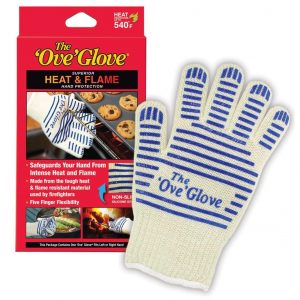
Never burn your hands again while cooking!

Why Hand Protection Matters
When you think of cooking with kids, safety might not be the first thing on your mind amid all the fun. Yet, ensuring everyone stays unharmed is crucial.
Understanding Kitchen Risks
Kitchens can be dangerous places, especially for curious children. It’s not just about hot stoves or sharp knives. Even the simplest tasks can lead to accidents. Did you know that over 30% of home injuries involve burns or cuts? As you teach little ones how to whip up a meal, these risks grow. That’s why protecting your hands, and theirs, becomes vital. By using proper gear, like gloves, you build a fortress of safety around your cooking adventures.
Benefits of Heat-Resistant Gloves
Protective gloves do more than just guard against burns. They also provide confidence. You can handle hot dishes without a second thought. For kids, these gloves make them feel like real chefs. Gloves designed for both adults and children offer a snug fit, ensuring everyone in the family stays protected. Plus, having a pair can prevent unplanned trips to the ER. Most people think accidents can’t happen to them, but why take the chance?
Choosing the Right Gloves
Selecting the perfect gloves involves more than picking a color or style. Here’s what you should consider to ensure your family’s safety in the kitchen.
Features to Look For
When shopping for gloves, prioritize heat resistance. Look for materials that can withstand at least 500°F. This ensures that even the hottest pans are safe to handle. Comfort is key. Gloves should be flexible enough for easy movement and grip. Keep an eye on the fit as well. Gloves that are too big or small can lead to mishaps. Consider those with added features like non-slip grips for extra security. Most high-quality gloves offer these benefits.
Adult and Child-Friendly Options
Finding gloves that cater to both adults and kids can be a challenge. Look for manufacturers that offer sizes for children alongside adult options. This way, everyone gets the protection they need. Some brands even design gloves with fun patterns that appeal to kids, turning safety gear into something exciting. A well-fitted glove ensures that your child can safely participate in every cooking task, making the experience both fun and secure.
Creating Safe Family Cooking Memories
Once your kitchen is equipped with the right tools, it’s time to focus on the joy of cooking together, safely.
Cooking Safety Tips
Start by setting clear rules. Children should understand which tasks are safe for them and which should be left to adults. Always supervise closely. Consider creating a designated cooking area for kids. This space can be a safe zone where they can mix, stir, and explore without encountering dangers. Here’s the key insight: consistency in safety practices builds a safe cooking environment. And remember, the longer you wait to implement these tips, the higher the risk.
Encouraging Child Safety in Kitchen
Instill good habits early. Teach kids to respect the kitchen as a place of learning and care. Use visuals like posters or fun videos to reinforce safety messages. Encourage them to ask questions and express concerns. Create a routine where children proudly wear their heat-resistant gloves before starting any task. This not only keeps them safe but also empowers them, making them active participants in ensuring their well-being.
By focusing on these aspects, you create a nurturing environment where cooking with kids is not only safe but also joyful. So, gear up with the right gloves, set your safety protocols, and dive into creating delicious memories with peace of mind.
Never burn your hands again while cooking!
How to Safely Handle Hot Pots and Pans
How to Safely Handle Hot Pots and Pans Handling hot pots and pans without the right approach can lead to painful burns and kitchen accidents. If you’ve ever felt unsure about how to handle hot cookware or worried about slipping while carrying a heavy pot, you’re not alone. This post [...]
Are Silicone Oven Mitts Better Than Traditional Oven Mitts?
Are Silicone Oven Mitts Better Than Traditional Oven Mitts? Most home cooks stick with traditional oven mitts because that’s what they know. But silicone oven mitts offer a very different feel and function. In this oven mitt comparison, you’ll see how heat resistance, grip, flexibility, and cleaning stack up between [...]
How to Choose the Best Oven Mitt for Your Kitchen
How to Choose the Best Oven Mitt for Your Kitchen Most oven mitts promise protection, but many fall short when it really counts. You’ve probably felt that quick burn or struggled with a mitt that’s too stiff or slips off your hand. Finding the best oven mitt means looking beyond [...]
How Hot Can Oven Mitts Get? Understanding Heat Resistance
How Hot Can Oven Mitts Get? Understanding Heat Resistance Most people assume all oven mitts handle the same heat, but that’s far from true. If you’ve ever felt a sudden burn despite wearing mitts, you know how risky it can get. This post breaks down oven mitt heat resistance, revealing [...]
10 Kitchen Safety Tips Every Home Cook Should Know
10 Kitchen Safety Tips Every Home Cook Should Know Most home cooks underestimate the risks lurking in their own kitchens until an accident happens. Cuts, burns, and fires can all be avoided with simple steps that protect you and your loved ones. This post shares 10 kitchen safety tips that [...]
Kitchen Safety: How to Prevent Burns When Cooking
Kitchen Safety: How to Prevent Burns When Cooking Burns in the kitchen happen faster than you think, turning a fun cooking session into a painful memory. If you’ve ever worried about touching a hot pan or spilled boiling water, you’re not alone. This post shares straightforward kitchen safety steps to [...]


