
Baking Gloves 101: Choosing the Right Hand Protection for Your Baking Needs
Most home kitchens settle for basic oven gloves that barely cover the essentials. Professional bakers, though, choose hand protection designed to handle intense heat and constant use without slipping or burning. If you want to raise your kitchen safety tips beyond the usual, understanding the difference in baker safety equipment can change how you protect your hands. Let’s explore why your baking gloves matter more than you think. Learn more about choosing the right gloves here.

Order the Ove Glove today and get FREE shipping!
Importance of Hand Protection
Hand safety should never be an afterthought in the kitchen. Using the right gloves can prevent injuries and improve your baking experience.
Why Baking Gloves Matter
Your hands are your most valuable tools in the kitchen. Wearing the right baking gloves can offer protection against burns and accidents. Imagine pulling out a hot tray without fear. That’s the confidence you gain with proper gloves. They aren’t just about safety; they’re about enhancing your baking performance. When your hands are protected, you can focus on creating those delicious treats without worry.
Risks of Neglecting Safety
Ignoring safety can lead to painful burns or worse. When you skip wearing appropriate hand protection, you risk more than just minor injuries. A serious burn can keep you out of the kitchen for weeks. This isn’t just inconvenient; it can also halt your baking progress. Join discussions on how to avoid kitchen accidents here. By ensuring your hands are safe, you’re protecting your passion and your hands’ future.
Benefits for Professional Bakers
For professional bakers, gloves aren’t optional. They need reliable protection to keep up with the demanding pace of a commercial kitchen. Quality gloves allow them to handle high temperatures without hesitation. This means fewer interruptions and more focus on perfecting their craft. Investing in top-tier gloves is a commitment to their career and craft. It’s about working smarter, not harder, and ensuring every bake is a success.
Types of Baking Gloves
Choosing the right gloves can feel overwhelming. But knowing the different types can help you make an informed decision.
Choosing the Right Material
Glove material matters. Some are made of silicone, others from fabric or rubber. Each material offers different benefits. Silicone gloves, for example, are known for their superior heat resistance. They can withstand temperatures that would melt other materials. Fabric gloves, lined with heat-resistant materials, offer flexibility and comfort. Knowing where and how you’ll use your gloves helps you pick the right pair. Explore various materials and their uses here.
Oven Gloves vs. Ove Gloves
Oven gloves and Ove gloves seem similar but have key differences. Oven gloves often offer basic protection, suitable for home bakers. Ove gloves, however, provide enhanced heat resistance and dexterity. They are designed for more intense baking sessions, often used in professional settings. Understanding these differences can help you decide which suits your needs best. For a deeper dive into their distinctions, check this out.
Specialized Baker Safety Equipment
Specialized equipment goes beyond basic gloves. There are gloves with added grip, extra-long cuffs, and even fingerless varieties. These specialized options cater to unique needs and baking styles. Whether it’s avoiding slips or needing more control, there’s a glove for every baker. By exploring your options, you can find a glove that complements your baking style perfectly.
Key Features to Consider
When selecting gloves, certain features can make a big difference in safety and comfort.
Heat Resistance in Baking Gloves
The primary purpose of baking gloves is to protect against heat. Look for gloves that can handle high temperatures without compromising on safety. Some gloves boast resistance up to 500 degrees Fahrenheit, ensuring your hands remain safe, even during extended use. Find gloves that meet these standards here. Investing in high heat resistance can save you from potential burns and discomfort.
Comfort and Dexterity
Comfort shouldn’t be sacrificed for protection. Gloves that offer dexterity allow for better grip and movement. This is crucial when dealing with intricate baking tasks. Comfortable gloves reduce fatigue, allowing you to bake longer and more efficiently. They should fit well and feel good on your hands, enhancing your kitchen experience.
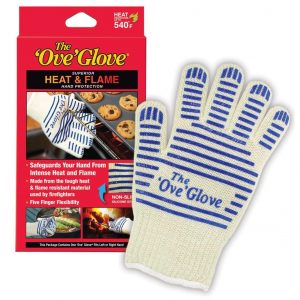
Protect your hands while cooking with the Ove Glove
Durability and Maintenance
Durable gloves withstand the test of time and frequent use. Consider gloves that are easy to clean and maintain. This ensures they stay hygienic and last longer. Some gloves are machine washable, adding convenience to their durability. By choosing durable gloves, you’re making a smart investment in your baking safety gear.
Kitchen Safety Tips for Bakers
Safety doesn’t stop at gloves. Integrating good habits into your routine is key to staying safe in the kitchen.
Best Practices for Home Kitchen Safety
Creating a safe kitchen environment starts with simple habits. Always keep your workspace tidy to avoid accidents. Use tools like baking gloves to handle hot items. Keep a fire extinguisher nearby and ensure everyone knows how to use it. These practices create a safer environment for baking enjoyment.
Integrating Gloves into Your Routine
Wearing gloves should become second nature in your baking routine. Keep them accessible and ready to use. Make it a habit to wear gloves whenever handling hot items. This routine builds muscle memory, making safety a natural part of your process. By integrating gloves into your routine, you’re prioritizing safety without sacrificing convenience.
Professional Bakers’ Insights
Professional bakers have valuable insights into maintaining safety. They emphasize the importance of high-quality gear and consistent safety habits. By following their advice, you can elevate your kitchen safety practices. Learn more from experienced bakers here. Their tips can help you avoid common pitfalls and bake with confidence.
Encouraging Safe Baking Practices
Empowering yourself with knowledge is key to baking safely and confidently.
Empowering Home Bakers with Knowledge
Understanding the tools and practices that keep you safe can boost your confidence. Educate yourself on the best safety practices and tools available. This knowledge empowers you to make informed decisions in the kitchen. Remember, a safer kitchen is a happier one, where you can focus on the joy of baking.
Supporting Culinary Students
Culinary students can benefit greatly from learning about safety. Providing them with the right tools and knowledge is crucial. Encourage them to prioritize safety and invest in quality gear. This foundation helps them develop their skills without unnecessary setbacks. Supporting students ensures the future of baking remains bright and safe.
Building Confidence in Kitchen Safety
Confidence in the kitchen comes from preparation and practice. By prioritizing safety, you build a solid foundation for your baking journey. This confidence allows you to explore new recipes and techniques without fear. A safe kitchen is a place of creativity and joy. Embrace this mindset and enjoy the many rewards baking brings.


All major credit cards accepted
Free Shipping – Order – Track Order – Contact Us
10 Kitchen Safety Tips Every Home Cook Should Know
10 Kitchen Safety Tips Every Home Cook Should Know Most home cooks underestimate the risks lurking in their own kitchens until an accident happens. Cuts, burns, and fires can all be avoided with simple steps that protect you and your loved ones. This post shares 10 kitchen safety tips that [...]
Kitchen Safety: How to Prevent Burns When Cooking
Kitchen Safety: How to Prevent Burns When Cooking Burns in the kitchen happen faster than you think, turning a fun cooking session into a painful memory. If you’ve ever worried about touching a hot pan or spilled boiling water, you’re not alone. This post shares straightforward kitchen safety steps to [...]
Best Oven Mitts for High Heat: What You Need to Know
Best Oven Mitts for High Heat: What You Need to Know Most oven mitts can’t handle intense heat without letting you down. If you’ve ever burned your hand or dropped a hot pan, you know why the right pair matters. This guide breaks down what to look for in high [...]
The Best Gloves for Handling Hot Cookware
The Best Gloves for Handling Hot Cookware Handling hot cookware without the right gloves is a quick way to end up with painful burns. You need gloves that protect your hands while letting you move with ease around the kitchen or grill. In this post, you’ll find the best gloves [...]
Best Oven Mitts for Cooking, Baking and Grilling
Best Oven Mitts for Cooking, Baking and Grilling Most oven mitts promise protection, but many fall short when you’re juggling hot pans and tricky grips. If you’ve ever burned your hand or fumbled a dish, you know that not all mitts are created equal. This guide breaks down the best [...]
Are Oven Mitts Machine Washable?
Are Oven Mitts Machine Washable? Oven mitts take a beating in the kitchen, catching spills and heat that can leave them grimy fast. But tossing them in the washing machine might not be as simple as it seems. If you want to keep your mitts safe and lasting longer, knowing [...]


