
Safeguard Your Culinary Space: Tips to Prevent Common Kitchen Injuries
Every year, thousands end up in the ER because of kitchen accidents that sneak up on even the most careful cooks. You might think a quick slice or a minor spill won’t cause trouble, but preventing burns, slips, and knife cuts takes more than luck. This guide breaks down the top cooking injuries and shows you how to keep your kitchen a safe zone. Keep reading to protect yourself before the next mishap happens. For more insights, check out this resource on kitchen injuries.

Get FREE shipping on the Ove Glove today!
Understanding Common Kitchen Accidents
Cooking accidents are more common than you might think. They cost more than just a trip to the ER. Imagine being unable to cook for your loved ones or complete daily tasks. The following sections will explore the real impact of these injuries.
The Real Cost of Cooking Injuries
A small misstep in the kitchen can have big consequences. Medical bills pile up quickly. In the U.S., over 50% of home fires start in the kitchen, leading to injuries that require professional care. Beyond the financial burden, these injuries disrupt your lifestyle. Many people find themselves unable to work or manage household tasks. This downtime can affect your entire family and lead to stress.
Frequency of Kitchen Accidents
You may not realize how often kitchen accidents happen. Statistics show that nearly 150,000 people are treated for kitchen-related injuries each year. Most of these injuries are preventable with a bit of caution and knowledge. The key is understanding what leads to these mishaps in the first place. By recognizing common patterns, you can take proactive steps to avoid them.
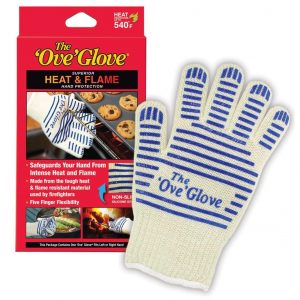
Protect your hands while cooking with the Ove Glove
Impact on Daily Life
Daily life can change drastically after a kitchen injury. Simple tasks become difficult. For instance, cooking your favorite meal might feel impossible with a bandaged hand. The emotional toll is real too. Many people experience frustration and helplessness during recovery. The good news is that with prevention strategies, you can minimize these disruptions and maintain control over your daily routine.
Preventing Burns in the Kitchen
Burns are among the most painful and common kitchen injuries. Protecting yourself requires more than just being careful. Let’s delve into how you can prevent these painful accidents.
Safe Handling of Hot Surfaces
Handling hot surfaces requires focus and the right techniques. Always use potholders or oven mitts that are in good condition. Keep a safe distance from hot stovetops and ovens. Remember to turn pot handles away from the edge where they can be easily knocked over. Avoid distractions when working with heat to maintain control over your cooking environment.
Proper Use of Cooking Tools
Using cooking tools properly can prevent burns. Choose cookware with heat-resistant handles. When frying, use a splatter screen to protect your skin from hot oil. Never leave cooking utensils in the pot, as they can become hot and cause burns. Familiarize yourself with your tools to reduce the risk of accidents.
Emergency Response for Burns
Even with precautions, burns can still happen. Knowing how to respond makes a difference. Immediately cool the burn with running water for at least 10 minutes. Avoid using ice, as it can damage the skin. Cover the burn with a clean, non-stick bandage. For more serious burns, seek medical attention promptly. For more tips, visit this guide on treating burns.
Knife Safety for Home Cooks
Knives are essential tools but can be dangerous if used improperly. Understanding knife safety is key to preventing serious cuts.
Choosing the Right Knife
Choosing the right knife for each task makes cooking safer. A chef’s knife is versatile, while a paring knife is perfect for detailed work. Ensure your knives are sharp, as dull blades require more force and are more likely to slip. Invest in quality knives to improve your safety and efficiency.
Proper Cutting Techniques
Proper cutting techniques reduce the risk of injury. Use a stable cutting board and curl your fingers under when holding food. Practice the “claw grip” to keep your fingertips safe. Slice away from your body, and cut with a smooth, steady motion. Mastering these techniques will boost your confidence in the kitchen.
First Aid for Knife Cuts
Even the most careful cooks can slip up. When a cut happens, clean the wound with soap and water. Apply pressure with a clean cloth to stop bleeding. Once controlled, cover the cut with a sterile bandage. For deeper cuts, seek medical assistance. For more information, check this first aid guide for cuts and burns.
Slip Prevention Strategies
Slips are common in the kitchen due to spills and clutter. These simple strategies can help you keep your footing.
Maintaining a Safe Floor
A safe floor is a clean floor. Regularly sweep and mop to remove debris and spills. Use non-slip mats in areas prone to moisture. Ensure that rugs have non-slip backings to prevent sliding. A tidy floor reduces the risk of slipping and keeps your kitchen safe.
Choosing the Right Footwear
Proper footwear provides stability and protection. Opt for shoes with non-slip soles and good support. Avoid wearing open-toed shoes or sandals in the kitchen. Shoes designed to grip the floor can make a big difference in preventing slips and falls.
Quick Cleanup Tips
Quick cleanup is crucial after spills. Keep a cloth or mop handy to address spills immediately. Drying wet areas promptly prevents slips. Developing a habit of cleaning as you go keeps your workspace safe and organized.
Grease Fire Safety Measures
Grease fires can escalate quickly, making them one of the most dangerous kitchen hazards. Knowing how to prevent and handle them is crucial.
Identifying Fire Hazards
Identifying potential fire hazards is the first step. Avoid overheating oil and never leave cooking unattended. Keep flammable materials away from the stove. Recognizing these risks can prevent dangerous situations before they start.
Safe Cooking Practices
Safe cooking practices reduce the risk of grease fires. Keep a lid nearby when frying to smother small flames. Never use water on a grease fire, as it can cause the fire to spread. Instead, turn off the heat and cover the flames with a metal lid or baking sheet.
Fire Extinguisher Basics
Having a fire extinguisher in your kitchen is vital. Familiarize yourself with how to use it. Remember the PASS technique: Pull the pin, Aim low, Squeeze the handle, and Sweep side to side. Ensure your extinguisher is accessible and regularly checked to ensure it’s in working order. For more detailed instructions, take a look at this fire safety guide.
By understanding and implementing these safety measures, you can create a kitchen environment that minimizes risks and keeps you cooking with confidence. Remember: safety is an ongoing process, and taking these precautions can save you from unnecessary injuries and stress.


All major credit cards accepted
Free Shipping – Order – Track Order – Contact Us
How to Safely Handle Hot Pots and Pans
How to Safely Handle Hot Pots and Pans Handling hot pots and pans without the right approach can lead to painful burns and kitchen accidents. If you’ve ever felt unsure about how to handle hot cookware or worried about slipping while carrying a heavy pot, you’re not alone. This post [...]
Are Silicone Oven Mitts Better Than Traditional Oven Mitts?
Are Silicone Oven Mitts Better Than Traditional Oven Mitts? Most home cooks stick with traditional oven mitts because that’s what they know. But silicone oven mitts offer a very different feel and function. In this oven mitt comparison, you’ll see how heat resistance, grip, flexibility, and cleaning stack up between [...]
How to Choose the Best Oven Mitt for Your Kitchen
How to Choose the Best Oven Mitt for Your Kitchen Most oven mitts promise protection, but many fall short when it really counts. You’ve probably felt that quick burn or struggled with a mitt that’s too stiff or slips off your hand. Finding the best oven mitt means looking beyond [...]
How Hot Can Oven Mitts Get? Understanding Heat Resistance
How Hot Can Oven Mitts Get? Understanding Heat Resistance Most people assume all oven mitts handle the same heat, but that’s far from true. If you’ve ever felt a sudden burn despite wearing mitts, you know how risky it can get. This post breaks down oven mitt heat resistance, revealing [...]
10 Kitchen Safety Tips Every Home Cook Should Know
10 Kitchen Safety Tips Every Home Cook Should Know Most home cooks underestimate the risks lurking in their own kitchens until an accident happens. Cuts, burns, and fires can all be avoided with simple steps that protect you and your loved ones. This post shares 10 kitchen safety tips that [...]
Kitchen Safety: How to Prevent Burns When Cooking
Kitchen Safety: How to Prevent Burns When Cooking Burns in the kitchen happen faster than you think, turning a fun cooking session into a painful memory. If you’ve ever worried about touching a hot pan or spilled boiling water, you’re not alone. This post shares straightforward kitchen safety steps to [...]


