Why Kitchen Surfaces Retain Heat: A Guide for Safe Cooking and Material Choices
Some kitchen surfaces hold heat so long, they could burn you long after the stove is off. Knowing why this happens can save you from painful accidents and help you choose materials that suit your cooking style. This guide breaks down how thermal conductivity, material density, and surface finishes affect heat retention. You’ll also find smart tips on picking kitchen surfaces to reduce burn risks and keep your cooking running smoothly with the right oven glove at hand. For more insights on cooking safety, check out this article.

Get FREE shipping on the Ove Glove today!
Understanding Heat Retention in Kitchens
Every kitchen surface has unique properties that affect heat retention. Let’s break down these factors and see how they impact your cooking environment.
Key Factors in Heat Retention
The way a surface retains heat depends on several elements. Thermal conductivity is a primary factor. Materials with high thermal conductivity transfer heat quickly. This means surfaces like metal can get hot fast. On the other hand, materials like wood have low thermal conductivity, so they stay cooler longer.
Another factor is material density. Denser materials store more heat. Think about a stone countertop: it holds warmth longer than a lightweight surface. Finally, surface finish affects how heat is absorbed or reflected. A polished surface might reflect more heat away, while a matte one may absorb it.
Thermal Conductivity Explained
You might wonder why some surfaces stay hot even after the stove is off. It’s all about thermal conductivity. Thermal conductivity measures how fast heat moves through a material. Metals like stainless steel have high thermal conductivity; they heat up and cool down rapidly. This can be great for cooking but risky for burns.
In contrast, materials with low thermal conductivity, like wood, take longer to heat and cool. This can be safer in a busy kitchen. Understanding this concept helps you make better choices for your cooking space.
Protect your hands while cooking with the Ove Glove
Impact of Material Density
Material density plays a big role in heat retention. Dense materials, such as granite or marble, store more heat. This means they will remain warm long after you finish cooking. It can be useful for keeping food warm, but also poses burn risks.
Lighter materials, like laminate, don’t store as much heat. They cool faster and might be safer under certain conditions. By choosing the right density, you can balance cooking needs with safety.
Exploring Kitchen Surface Materials
Now that we’ve covered the science, let’s explore different kitchen surfaces. Knowing the pros and cons of each can guide your decisions.
Popular Countertop Choices
When it comes to countertops, you have many options. Granite and quartz are popular for their durability and aesthetic appeal. Both are dense, retaining heat effectively. However, they require careful handling to avoid burns.
Laminate countertops offer an affordable choice with lower heat retention. They cool down quickly, making them a safer option for families with kids. Each material has its strengths, so consider what aligns best with your needs.
Comparing Metal and Stone
Metal and stone are common in modern kitchens. Stainless steel is favored for its sleek look and quick heating. You’ve probably noticed that chefs love it for its efficiency in professional kitchens. But, it can get hot quickly, posing a risk.
Stone materials like marble or granite offer a classic look and retain heat well. This makes them ideal for baking, as they keep dough warm. However, their heat retention can be a safety concern if not managed properly. Weigh the benefits against potential risks when choosing between metal and stone.
Wood and Laminate Surfaces
Wood and laminate are great choices for those prioritizing safety. Wood, with its low thermal conductivity, stays cooler. It’s a popular option for cutting boards and islands.
Laminate surfaces are lightweight and cool down fast, making them safer for households with children. They also come in various designs, offering flexibility in style without sacrificing safety. Both materials offer practical benefits in a bustling kitchen.
Surface Finishes and Their Role
Surface finishes are more than just aesthetic. They affect how your kitchen surfaces interact with heat.
Enhancing or Reducing Heat Retention
A surface finish can make a big difference in heat retention. Polished finishes reflect heat, potentially keeping surfaces cooler to the touch. This can be beneficial in a busy kitchen where surfaces are frequently touched.
Conversely, matte finishes tend to absorb more heat. This can be useful for keeping food warm but may increase burn risks. Consider what you need from your kitchen surfaces when selecting a finish.
Choosing the Right Finish
Selecting the right finish involves balancing appearance with functionality. If you want a polished look, consider whether the reflective properties meet your cooking needs. Matte finishes offer a subdued style, absorbing more heat and potentially requiring more caution.
Think about how often you use various surfaces and your safety priorities. Your choice should complement the way you cook and interact with your kitchen.
Maintenance and Longevity
Maintaining your surfaces ensures they last longer and perform well. Regular cleaning and care can preserve both the finish and the underlying material. For polished surfaces, use gentle cleaners to maintain their shine without damaging them.
Matte surfaces might require specific products to avoid staining. By understanding maintenance needs, you can keep your kitchen looking great and functioning safely for years.
Cooking Safety and Material Choices
Choosing the right materials and finishes can greatly impact your cooking safety.
Reducing Burn Risks
To minimize burn risks, consider materials with lower heat retention. Wood and laminate surfaces cool quickly, reducing the chance of accidental burns. Placing hot pans on these surfaces is less likely to lead to injuries.
Be mindful of where you place hot items. Using trivets or heat pads can also protect surfaces and hands alike. Simple precautions can make a significant difference in kitchen safety.
Improving Cooking Efficiency
Efficient cooking isn’t just about speed. It’s about creating an environment where everything works smoothly. Choosing materials with the right thermal properties can help. For example, metal surfaces heat up quickly, ideal for rapid cooking.
On the other hand, stone countertops retain heat, which can be useful for dishes that need to stay warm. Consider how you cook and what surfaces will complement your style.
Safe Practices with Oven Gloves
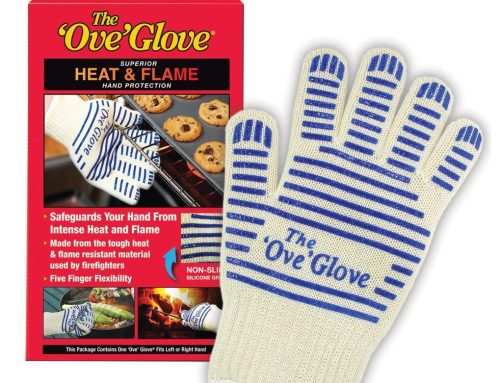
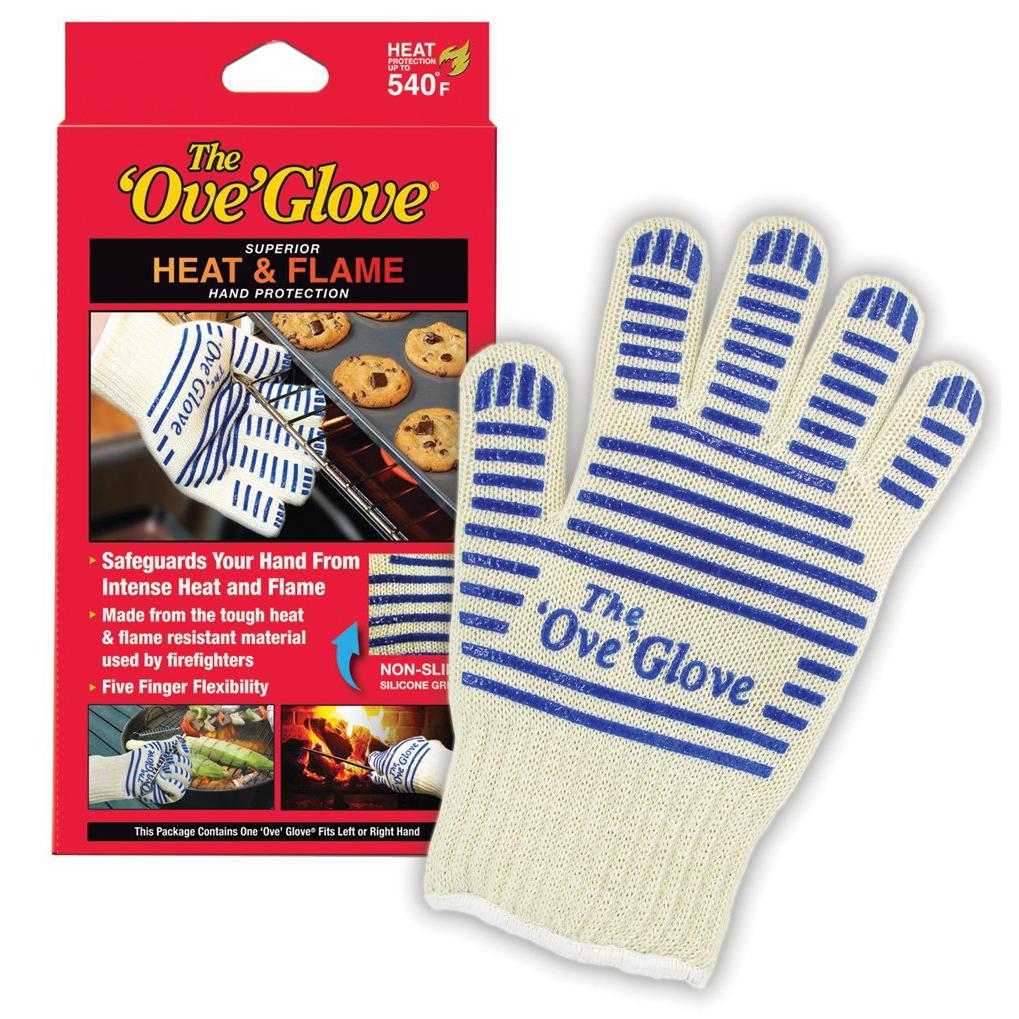
One essential tool in any kitchen is the oven glove. It helps protect your hands from hot surfaces and cookware. Not all gloves are created equal, though. Some gloves, like the Ove Glove, offer extra protection due to their design and materials. For more details, check this guide on Ove Gloves.
When using oven gloves, ensure they cover your wrists completely. Always check them for wear and tear. By using the right gloves, you can further reduce the risk of burns.
Making Informed Kitchen Decisions
Now that you know about materials and safety, it’s time to make informed choices for your kitchen.
Tips for Selecting Surfaces
Selecting the right surface involves considering use, safety, and style. Here are some tips:
-
Prioritize safety: Opt for materials that align with your cooking habits.
-
Consider maintenance: Choose surfaces that are easy to clean and maintain.
-
Balance style: Select finishes that enhance your kitchen’s look while offering functionality.
Balancing Aesthetics and Safety
A beautiful kitchen is a joy to cook in, but safety should never be compromised. Choose materials and finishes that offer both. For instance, a polished stone countertop can be stunning, but ensure you have tools like trivets to safely handle hot items.
By carefully balancing aesthetics and safety, you create a kitchen that’s both inviting and practical.
Future Trends in Kitchen Materials
The kitchen materials landscape is always evolving. New technologies and materials are constantly emerging. Look out for eco-friendly options and innovative materials that offer improved safety and efficiency.
By staying informed about these trends, you can keep your kitchen modern and safe. Remember, the choices you make today can impact the way you cook tomorrow.


All major credit cards accepted
Free Shipping – Order – Track Order – Contact Us
How to Safely Handle Hot Pots and Pans
How to Safely Handle Hot Pots and Pans Handling hot pots and pans without the right approach can lead to painful burns and kitchen accidents. If you’ve ever felt unsure about how to handle hot cookware or worried about slipping while carrying a heavy pot, you’re not alone. This post [...]
Are Silicone Oven Mitts Better Than Traditional Oven Mitts?
Are Silicone Oven Mitts Better Than Traditional Oven Mitts? Most home cooks stick with traditional oven mitts because that’s what they know. But silicone oven mitts offer a very different feel and function. In this oven mitt comparison, you’ll see how heat resistance, grip, flexibility, and cleaning stack up between [...]
How to Choose the Best Oven Mitt for Your Kitchen
How to Choose the Best Oven Mitt for Your Kitchen Most oven mitts promise protection, but many fall short when it really counts. You’ve probably felt that quick burn or struggled with a mitt that’s too stiff or slips off your hand. Finding the best oven mitt means looking beyond [...]
How Hot Can Oven Mitts Get? Understanding Heat Resistance
How Hot Can Oven Mitts Get? Understanding Heat Resistance Most people assume all oven mitts handle the same heat, but that’s far from true. If you’ve ever felt a sudden burn despite wearing mitts, you know how risky it can get. This post breaks down oven mitt heat resistance, revealing [...]
10 Kitchen Safety Tips Every Home Cook Should Know
10 Kitchen Safety Tips Every Home Cook Should Know Most home cooks underestimate the risks lurking in their own kitchens until an accident happens. Cuts, burns, and fires can all be avoided with simple steps that protect you and your loved ones. This post shares 10 kitchen safety tips that [...]
Kitchen Safety: How to Prevent Burns When Cooking
Kitchen Safety: How to Prevent Burns When Cooking Burns in the kitchen happen faster than you think, turning a fun cooking session into a painful memory. If you’ve ever worried about touching a hot pan or spilled boiling water, you’re not alone. This post shares straightforward kitchen safety steps to [...]