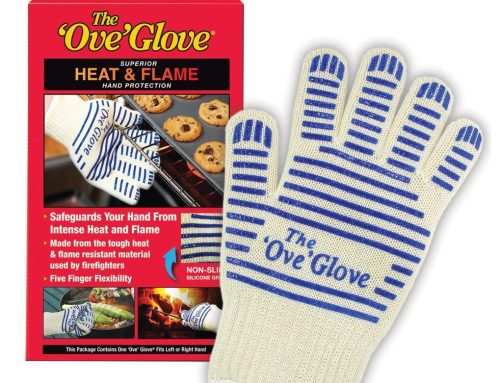
From Silicone to Aramid: A Guide to Heat Resistant Gloves for Cast Iron Cookware
Handling cast iron cookware without the right gloves feels like playing with fire. Protecting your hands matters when the heat climbs beyond what regular mitts can handle. This guide breaks down the best gloves for hot handling, focusing on materials like silicone and aramid fibers that stand up to intense heat while keeping your grip firm and your movements easy. Learn more about choosing the right gloves here.

Understanding Heat Resistant Gloves
When working with cast iron, having the right gloves is crucial. They not only protect your hands but also make your cooking experience safer and more enjoyable. Let’s delve into why kitchen safety is essential.
Importance of Kitchen Safety
Keeping your hands safe in the kitchen is a priority. Every year, numerous kitchen accidents occur due to improper safety measures. Investing in quality gloves can significantly reduce the risk of burns and injuries. It’s not just about safety; it’s about cooking with confidence. Imagine flipping your favorite dish with ease, knowing your hands are protected from extreme heat. That’s the peace of mind you deserve.
The Role of Durable Cooking Gloves
Durable cooking gloves are your kitchen’s best friend. They provide the strength and resilience you need when handling hot dishes. Unlike regular mitts, these gloves offer enhanced protection and versatility. You can lift, grip, and maneuver your pans without fear. Think about the freedom that comes with knowing your gloves can handle the heat, making your cooking process smoother and more efficient.
Exploring Glove Materials
The material of your gloves makes all the difference in performance and protection. Let’s take a closer look at the benefits of popular materials like silicone and aramid fibers.
Benefits of Silicone Gloves
Silicone gloves are a popular choice for many home cooks. They offer excellent heat resistance, often withstanding temperatures up to 500 degrees Fahrenheit. This means you can handle hot cookware confidently. Moreover, silicone gloves are waterproof, providing an additional layer of protection against spills. They’re easy to clean, too. Just rinse them under water or put them in the dishwasher, and they’re ready for the next use.
Advantages of Aramid Fiber Gloves
Aramid fiber gloves are another excellent option for heat resistance. Known for their toughness, these gloves can tolerate extreme temperatures, making them ideal for cast iron cookware. They are also lightweight, which adds to the comfort factor. The beauty of aramid fibers lies in their durability. They maintain their integrity even after repeated exposure to high heat, providing long-lasting protection and performance for your cooking needs.
Top Picks for Cast Iron Cookware
Choosing the right gloves means considering various factors, including heat resistance and grip. Let’s explore the best options available for handling hot cast iron cookware.
Best Gloves for Hot Handling
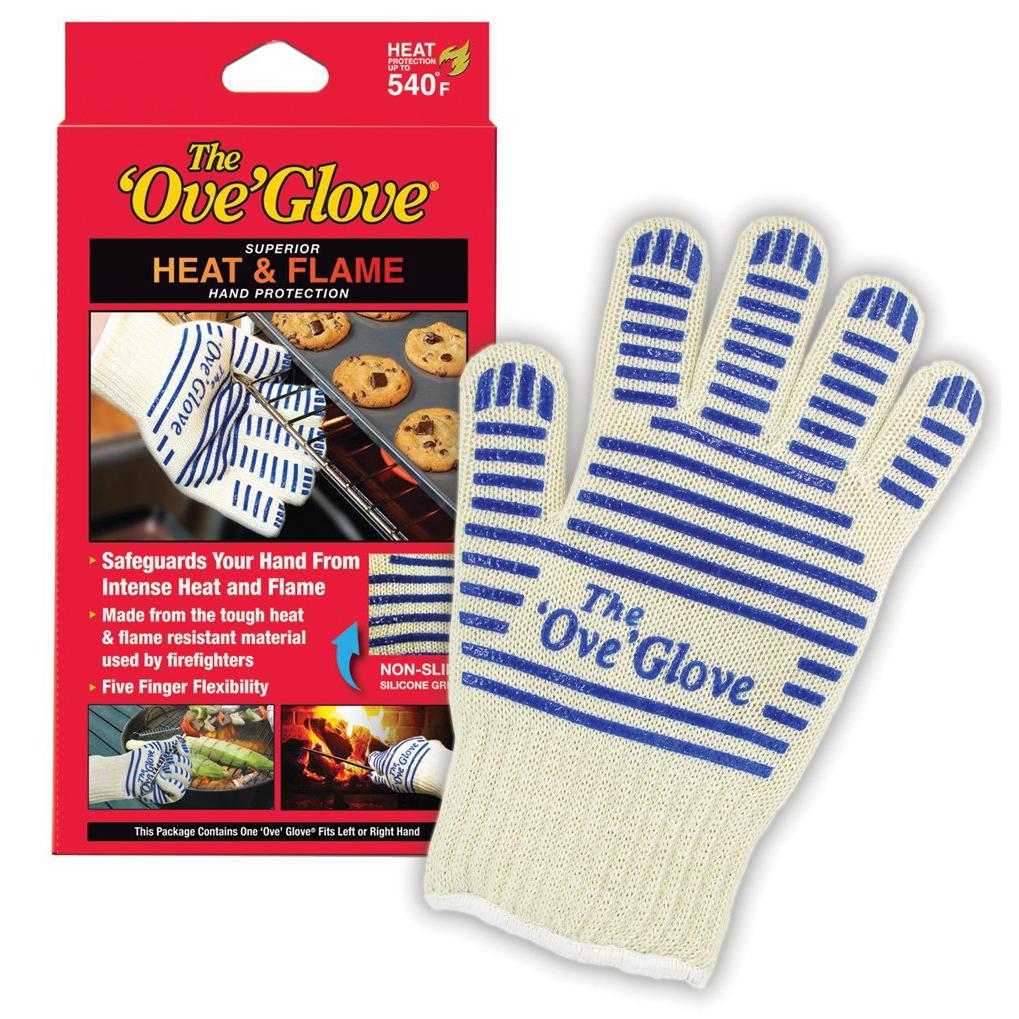
When it comes to handling hot cast iron, not all gloves are created equal. Some gloves stand out due to their superior heat tolerance and comfort. For instance, these grill gloves have earned high marks for their impressive performance. Designed to withstand high temperatures, they provide the protection you need while ensuring a firm grip.
Recommended Heat Resistant Gloves
Finding the right gloves can transform your cooking experience. The Ultimate Heat Resistant Gloves are perfect for those who demand the best in protection. With their robust construction and flexible design, they offer both safety and comfort. Consider this investment in your kitchen safety; it’s one that pays off every time you cook.
Evaluating Comfort and Grip
Comfort and grip are just as crucial as heat resistance. After all, what good is a glove if it’s uncomfortable or slippery? Let’s see how these aspects contribute to safer cooking.
Ensuring Safe Cooking
Safe cooking begins with comfortable gloves. A snug fit ensures you have full control over your movements. When gloves fit well, they allow for better dexterity, making it easier to handle various tasks. Whether you’re sautéing vegetables or baking bread, comfort is key. Remember, the more comfortable you are, the more you can focus on creating delicious meals.
Enhancing Grip with Design
The design of your gloves can greatly enhance your grip. Look for gloves with textured surfaces or patterns that improve traction. This feature is particularly beneficial when dealing with heavy cookware. These oven mitts and pot holders come highly recommended for their exceptional grip. They ensure you can lift your cast iron pans with confidence, preventing slips and spills.
Caring for Your Gloves
Taking care of your gloves prolongs their life and ensures they remain effective. Here’s how you can maintain and store your gloves properly.
Maintenance Tips for Longevity
Proper maintenance is essential for the longevity of your gloves. Regular cleaning is a must. For silicone gloves, a simple wash with soap and water will do. Aramid fiber gloves require a bit more care; hand washing is recommended to maintain their fibers. Avoid using bleach or harsh detergents. With the right care, your gloves will stay in top condition for years.
Storing Gloves for Optimal Use
Storing your gloves correctly can make a significant difference. Keep them in a dry place, away from direct sunlight to avoid any material degradation. If possible, hang them to maintain their shape and ensure they are always ready for use. Remember, well-maintained gloves not only provide better protection but also enhance your cooking experience.
In conclusion, selecting the right heat resistant gloves for your kitchen is a critical step in ensuring safety and comfort while cooking. With the right knowledge and care, you can make informed choices that will benefit your culinary adventures for years to come.

All major credit cards accepted
Free Shipping – Order – Track Order – Contact Us
How to Prevent Burns When Taking Food Out of the Oven
How to Prevent Burns When Taking Food Out of the Oven Burns in the kitchen happen more often than you think, especially when handling hot dishes straight from the oven. If you’ve ever flinched from a sudden steam burst or struggled with slippery mitts, you’re not alone. This post shares [...]
Can Oven Mitts Get Wet? Why Moisture Makes Heat Protection Worse
Can Oven Mitts Get Wet? Why Moisture Makes Heat Protection Worse Using wet oven mitts is more dangerous than most people realize. Moisture can sneak into the fabric and cut down its heat protection, putting your hands at risk. If you care about kitchen safety, understanding the moisture impact on [...]
Best Oven Gloves for Air Fryers
Best Oven Gloves for Air Fryers Handling hot air fryer baskets without the right gloves can turn meal prep into a risky task. Many oven gloves fall short when it comes to heat resistance, grip, or flexibility, making it harder to cook safely and comfortably. This guide highlights the best [...]
Best Oven Mitts for People With Small Hands and Large Hands
Best Oven Mitts for People With Small Hands and Large Hands Most oven mitts come in one size fits all, but that often means they fit no one well. If you have small hands, bulky mitts can feel clumsy and unsafe. Large hands? You might struggle to get a proper [...]
Are Oven Mitts or Gloves Better for Grip?
Are Oven Mitts or Gloves Better for Grip? Grabbing hot cookware without a solid grip can turn your kitchen into a danger zone. Oven mitts and gloves both promise protection, but which one really holds tight when it matters most? Let’s break down how texture, flexibility, and coverage affect oven [...]
Oven Mitt vs Oven Glove: What’s the Difference?
Oven Mitt vs Oven Glove: What's the Difference? Most home cooks treat oven mitts and oven gloves like the same thing. The truth is, each offers different levels of heat resistance, coverage, and control. Knowing these differences can keep you safer and more comfortable in the kitchen. Let’s break down [...]