Cook with Confidence: A Guide to High-Temperature Cooking Materials
Most kitchen mishaps happen because the wrong gear met the heat. You know that feeling when your gloves start to burn or your tools melt just as the meal hits its peak? Choosing the right heat-resistant materials for cooking can stop those moments before they start. This guide breaks down silicone cooking tools, aramid fiber heat protection, leather cooking accessories, and more so you can cook with the best protection at hand. For more insights, check out this guide to choosing the best heat-resistant gloves for cooking.

Introduction to High-Temperature Cooking
When you step into the kitchen, safety should be a top priority. The right materials make all the difference between a smooth cooking experience and a potential disaster. Let’s explore why choosing the right kitchen safety materials is crucial.
Importance of Kitchen Safety Materials
Kitchen accidents often happen when you use the wrong tools. Imagine reaching for a hot pan, only to feel the heat through your oven mitts. This can ruin your cooking flow. Using proper kitchen safety materials can help avoid burns and accidents. It’s about keeping yourself safe so you can focus on creating delicious meals. Most people think any glove can handle the oven, but this isn’t true. Choosing the right materials means you can cook confidently and safely every time.
Understanding Heat-Resistant Gloves
Heat-resistant gloves are essential for any kitchen. They protect your hands from high temperatures. But not all gloves are created equal. Some materials can withstand more heat than others.
-
Silicone gloves: These are great for moderate heat. They’re flexible and easy to clean.
-
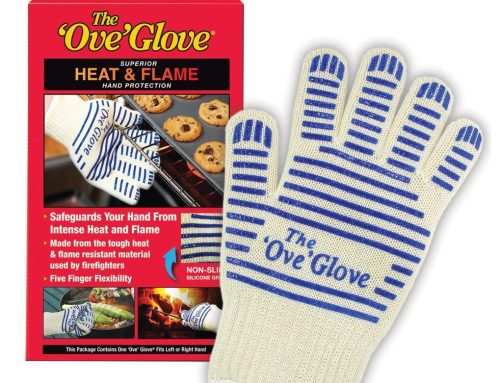
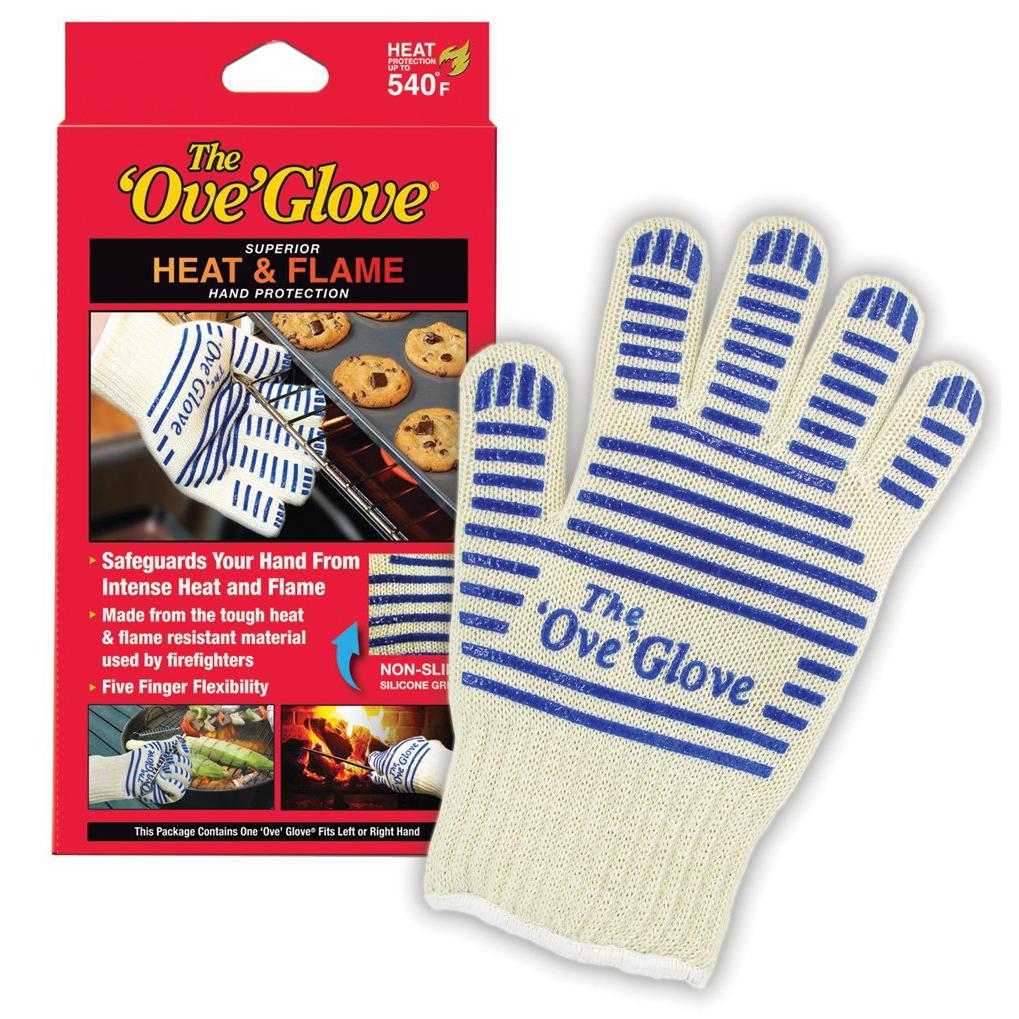
Aramid fiber gloves: Known for their strength, they can handle very high temperatures. They’re ideal for grilling and baking.
-
Leather gloves: These are durable and stylish. They offer good heat protection and a classic look.
Each type of glove offers different benefits, and choosing the right one depends on your cooking needs. For a detailed comparison, check out this article on the best grill gloves.
Exploring Silicone Cooking Tools
Silicone tools are gaining popularity in kitchens around the world. They’re versatile and practical, making them a top choice for many cooks.
Benefits of Silicone in the Kitchen
Silicone is known for its flexibility and heat resistance. It can withstand temperatures up to 500°F. This makes it perfect for baking and cooking. Additionally, silicone tools don’t scratch your cookware. They are non-stick, so food slides right off. Cleaning them is a breeze. Plus, they’re available in many colors, adding a splash of fun to your kitchen decor.
Comparing Silicone to Other Materials
When it comes to kitchen tools, you have options. Silicone stands out due to its heat resistance and non-stick qualities. Wood is classic but can harbor bacteria. Metal is durable but can scratch cookware. Silicone combines the best of both worlds: it’s safe for all surfaces and easy to maintain. If you’re curious about how silicone compares to other materials, this video offers great insights.
Aramid Fiber Heat Protection
Aramid fibers are known for their exceptional strength and heat resistance. They are a top choice for those who need high-temperature protection.
What Makes Aramid Fibers Unique
Aramid fibers can withstand extreme heat. They are used in bulletproof vests and firefighting gear. This makes them perfect for cooking situations that involve high temperatures. They offer protection while maintaining flexibility. Most people think only professionals use them, but they are perfect for home kitchens too.
Applications in Cooking Protection
In the kitchen, aramid fibers are used in gloves and aprons. They provide excellent protection when grilling, baking, or frying. You can handle hot items with ease and confidence. These fibers are also resistant to cuts and abrasions. For a comprehensive comparison of aramid fibers and other materials, visit Bull Safety.
Leather Cooking Accessories
Leather has been a staple in kitchens for years. Its durability and style make it a favorite among many cooks.
Durability and Style of Leather
Leather is tough and can handle wear and tear. It’s perfect for aprons, oven mitts, and pot holders. Leather items age well, gaining character over time. They add a touch of elegance to your kitchen. Plus, they offer excellent heat protection. Unlike other materials, leather can withstand high temperatures without losing its shape.
Leather vs. Other Kitchen Materials
When comparing leather to other materials like cotton or polyester, leather stands out. It’s more durable and offers better heat protection. Cotton can burn easily, while polyester can melt at high temperatures. Leather combines durability with style, making it a top choice for many. If you’re considering leather for your kitchen, this guide can help you make an informed decision.
Choosing the Best Cooking Protection
Now that we’ve explored different materials, how do you choose the best one for your kitchen?
Factors to Consider for Heat-Resistant Materials
When picking out the best materials, consider:
-
Heat resistance: Can it handle the temperatures you work with?
-
Durability: Will it last through multiple uses?
-
Ease of cleaning: Can you clean it quickly and easily?
-
Comfort: Does it fit well and feel comfortable during use?
These factors help in finding the right balance for your cooking needs.
Making Informed Decisions for Kitchen Safety
Choosing the right kitchen materials is about more than just safety. It’s about enhancing your cooking experience. Consider your needs and preferences. Do you grill often? Maybe aramid fibers are your best bet. Love baking? Silicone tools could be perfect for you. The longer you wait to upgrade, the more you risk kitchen mishaps. Evaluate your current tools and make the switch to improve safety and performance in your kitchen today.

All major credit cards accepted
Free Shipping – Order – Track Order – Contact Us
Heat Resistant Gloves: What Temperature Can They Handle?
Heat Resistant Gloves: What Temperature Can They Handle? Most heat resistant gloves claim to protect you from extreme temperatures, but can they really handle the heat you face every day? Choosing the wrong pair could leave you burned or limit your grip when you need control. This post breaks down [...]
How to Prevent Burns When Taking Food Out of the Oven
How to Prevent Burns When Taking Food Out of the Oven Burns in the kitchen happen more often than you think, especially when handling hot dishes straight from the oven. If you’ve ever flinched from a sudden steam burst or struggled with slippery mitts, you’re not alone. This post shares [...]
Can Oven Mitts Get Wet? Why Moisture Makes Heat Protection Worse
Can Oven Mitts Get Wet? Why Moisture Makes Heat Protection Worse Using wet oven mitts is more dangerous than most people realize. Moisture can sneak into the fabric and cut down its heat protection, putting your hands at risk. If you care about kitchen safety, understanding the moisture impact on [...]
Best Oven Gloves for Air Fryers
Best Oven Gloves for Air Fryers Handling hot air fryer baskets without the right gloves can turn meal prep into a risky task. Many oven gloves fall short when it comes to heat resistance, grip, or flexibility, making it harder to cook safely and comfortably. This guide highlights the best [...]
Best Oven Mitts for People With Small Hands and Large Hands
Best Oven Mitts for People With Small Hands and Large Hands Most oven mitts come in one size fits all, but that often means they fit no one well. If you have small hands, bulky mitts can feel clumsy and unsafe. Large hands? You might struggle to get a proper [...]
Are Oven Mitts or Gloves Better for Grip?
Are Oven Mitts or Gloves Better for Grip? Grabbing hot cookware without a solid grip can turn your kitchen into a danger zone. Oven mitts and gloves both promise protection, but which one really holds tight when it matters most? Let’s break down how texture, flexibility, and coverage affect oven [...]