Are Silicone Oven Mitts Better Than Fabric Oven Mitts?
Most people grab fabric oven mitts without thinking twice, but silicone oven mitts have quietly taken over many kitchens. If you’ve ever struggled with a mitt that’s too flimsy or soaked through, you know the frustration. This oven mitt comparison breaks down heat resistance, grip, and cleaning, helping you pick the best oven mitts for your cooking style and safety needs. For more on oven safety, check out this link.

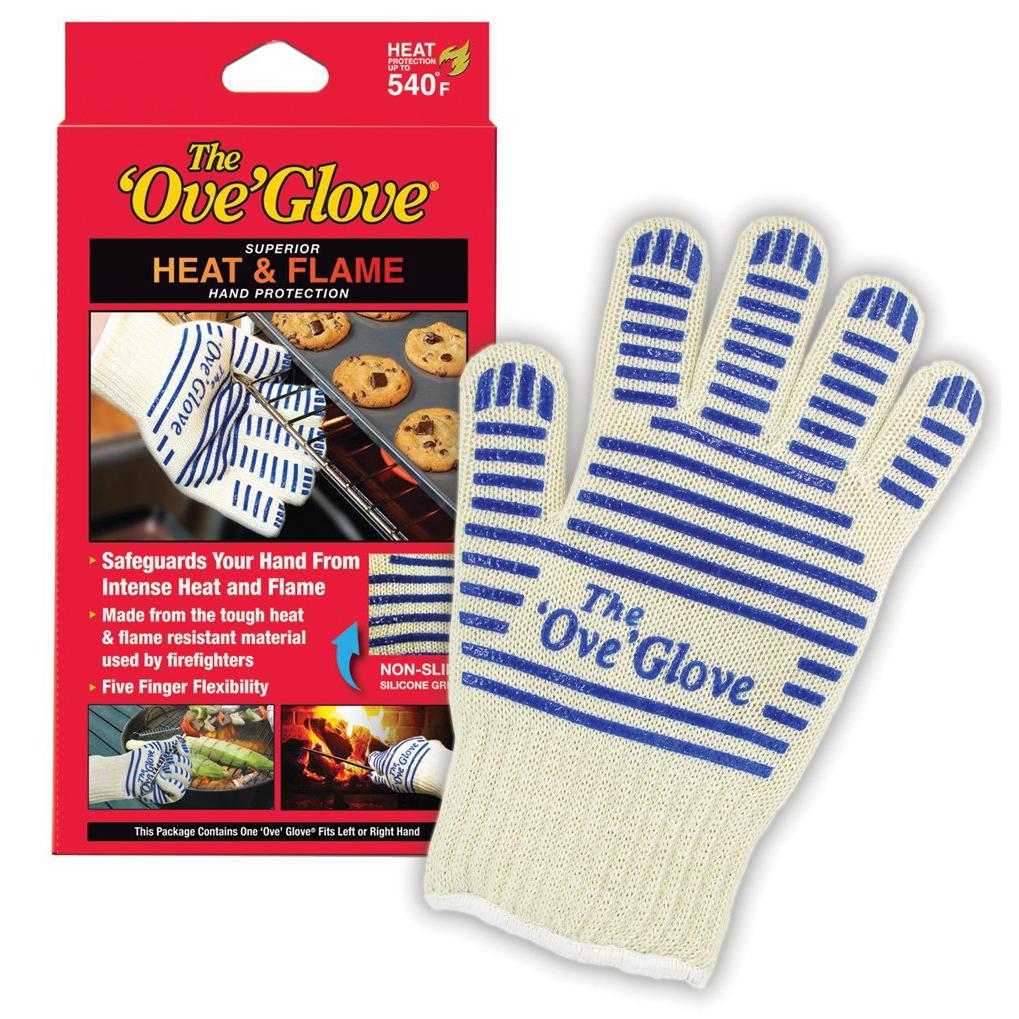
Get FREE shipping on the Ove Glove today!
Heat Resistance: Silicone vs Fabric
Choosing the right oven mitts hinges on how well they protect against heat. How do silicone and fabric mitts measure up?
Silicone Oven Mitts: High Heat Tolerance
Silicone oven mitts can withstand temperatures up to 500°F. This high heat tolerance makes them perfect for grilling and oven cooking. Silicone’s dense material forms a reliable barrier against heat, reducing the risk of burns. You’ll appreciate their ability to handle long periods of heat without degrading.
Beyond just heat resistance, silicone mitts offer durability. They’re less likely to fray or tear compared to fabric ones, providing long-lasting protection in your kitchen. This feature makes them a top choice for those who cook regularly and need reliable protection.
Fabric Oven Mitts: Traditional Heat Protection
Fabric oven mitts have been a staple in kitchens for years. They provide good heat resistance but typically handle lower temperatures than silicone. Their cotton or polyester layers offer moderate protection, which is fine for brief contact with hot surfaces. If you use them for extended periods, be aware of potential heat seepage.
On the plus side, fabric mitts are often lined with soft materials, enhancing comfort. They are ideal for everyday cooking tasks like handling warm pans. Their traditional appeal and comfort make them a favorite for many home cooks.
Grip and Dexterity in the Kitchen
Safety in the kitchen isn’t just about heat; grip matters too. Let’s explore how silicone and fabric mitts perform in this area.
Silicone Mitts: Non-Slip Grip Advantage
Silicone mitts shine with their non-slip grip. The textured surface ensures a firm hold on pans and trays. This feature is particularly useful when you’re handling heavy or slippery cookware. You’ll find peace of mind knowing your grip won’t falter.
In addition to safety, silicone’s flexibility allows for better control. You can easily maneuver utensils or adjust oven racks without compromising safety. This combination of grip and dexterity makes silicone mitts a practical choice for busy kitchens.
Fabric Mitts: Flexible Comfort
Fabric mitts offer a soft, flexible feel. They provide comfort and ease of movement, crucial for tasks requiring precision. Their pliable nature means you can easily grasp handles and lids, making them perfect for baking and stovetop cooking.
While they may lack the grip of silicone, their flexibility is unmatched. This makes them comfortable for extended use, especially when you need to switch between tasks quickly. Fabric mitts cater well to those who value comfort and mobility in the kitchen.
Cleaning and Maintenance Simplified
Keeping your oven mitts clean is essential for hygiene. Let’s see how silicone and fabric mitts simplify this task.
Silicone Mitts: Easy to Wash
One of the best things about silicone mitts is their ease of cleaning. You can rinse them under water or toss them in the dishwasher. This hassle-free maintenance is a huge plus for anyone who cooks often and wants to save time on cleaning.
Silicone’s non-porous nature prevents stains and odors from sticking, keeping them fresh over time. This makes them an attractive choice for those who prioritize cleanliness and convenience in the kitchen.
Fabric Mitts: Care and Durability
Fabric mitts require a bit more care. They are usually machine-washable, but you need to ensure they’re completely dry before using them again. This extra step can be a minor inconvenience, but it’s worth it for the comfort they provide.
Despite the need for careful cleaning, fabric mitts boast durability. With proper care, they can last a long time, making them a cost-effective option for many kitchens. If you don’t mind a bit of maintenance, fabric mitts can be a reliable choice.
Comfort and Fit for Users
How an oven mitt fits can affect your cooking experience. Let’s compare how silicone and fabric mitts deliver comfort.
Silicone: Ergonomic Design
Silicone mitts often feature an ergonomic design. This means they fit snugly around your hand, providing a secure feel. The snug fit reduces the chances of slipping off during use, enhancing safety.
Their design also prioritizes comfort, ensuring you can wear them for extended periods without discomfort. If you’re looking for mitts that balance comfort and functionality, silicone options are a solid pick.
Fabric: Soft and Cozy Feel
Fabric mitts are known for their soft, cozy feel. The plush lining offers warmth and comfort, making them pleasant to wear. They come in various sizes, allowing you to find the perfect fit for your hands.
Their comfortable feel makes them ideal for long cooking sessions. If you value a cozy experience while cooking, fabric mitts are a great choice. They bring a touch of comfort to your kitchen routine.
Best Uses and User Preferences
Deciding between silicone and fabric mitts often comes down to personal preference. Let’s explore which tasks each type excels at.
Ideal Tasks for Silicone Mitts
Silicone mitts excel in high-heat tasks like grilling or broiling. Their heat resistance and grip make them suitable for handling hot surfaces. If you frequently cook at high temperatures, silicone mitts are your best bet.
They’re also great for tasks that involve moisture, as they repel water and stains. Whether you’re pulling a roast from the oven or dealing with steaming pots, silicone mitts offer reliable protection.
Preferred Uses for Fabric Mitts
Fabric mitts are perfect for baking or stovetop cooking. Their softness provides comfort, making them suitable for tasks that require precision. If you enjoy baking or need a versatile mitt for everyday use, fabric options are ideal.
Their traditional style adds a cozy touch to your kitchen, appealing to those who value comfort over high heat resistance. For a balance of comfort and functionality, fabric mitts are a worthwhile choice.
Frequently Asked Questions
Are silicone oven mitts better than fabric ones for grilling?
Silicone mitts are generally better for grilling. They withstand higher temperatures and offer excellent grip, making them safer for handling hot grills.
How often should I wash my oven mitts?
Silicone mitts can be washed as needed, often after each use. Fabric mitts should be washed regularly, especially if they come into contact with food or moisture, to maintain hygiene.
Can fabric oven mitts be used in the dishwasher?
No, fabric mitts should not be placed in the dishwasher. They are best cleaned in a washing machine or by hand, then thoroughly dried.
What is the average lifespan of silicone oven mitts?
With proper care, silicone mitts can last for several years. Their durable material resists wear and tear, making them a long-lasting kitchen tool.
Do silicone mitts provide better grip than fabric mitts?
Yes, silicone mitts generally provide a better grip due to their textured surface. This feature helps prevent slipping, which is crucial when handling heavy or hot cookware.


All major credit cards accepted
Free Shipping – Order – Track Order – Contact Us
The Complete Guide to Oven Mitts and Heat Resistant Gloves
The Complete Guide to Oven Mitts and Heat Resistant Gloves Burning your hands while cooking is more common than you think, and the wrong oven mitts only make it worse. You want hand protection that feels comfortable but actually keeps heat at bay, whether you're baking, grilling, or frying. This [...]
Best Oven Mitts for Baking
Best Oven Mitts for Baking Most oven mitts promise protection, but many fail when heat spikes in the kitchen. You need gear that stays cool, grips tight, and feels good on your hands. This guide on the best oven mitts for baking breaks down top rated options with real user [...]
How to Clean Oven Mitts and Keep Them Fresh
How to Clean Oven Mitts and Keep Them Fresh Oven mitts are some of the hardest-working tools in your kitchen, but they rarely get the attention they deserve. Over time, they pick up stains, odors, and grime that can make cooking less pleasant and less safe. Learning how to clean [...]
Best Oven Mitts for Pizza Ovens
Best Oven Mitts for Pizza Ovens Handling a pizza oven without the right gear can quickly lead to burns or dropped pies. When temperatures soar, your regular kitchen mitts won’t cut it—you need the best oven mitts designed specifically for pizza ovens. From extra-long heat resistant mitts to grips that [...]
How Often Should You Replace Your Oven Mitts?
How Often Should You Replace Your Oven Mitts? Oven mitts don’t last forever, but most people don’t know when to replace them. If your mitts show frayed fabric, strange smells, or feel less heat resistant, they might be putting you at risk. Knowing the signs of worn oven mitts and [...]
Heat Resistant Gloves: What Temperature Can They Handle?
Heat Resistant Gloves: What Temperature Can They Handle? Most heat resistant gloves claim to protect you from extreme temperatures, but can they really handle the heat you face every day? Choosing the wrong pair could leave you burned or limit your grip when you need control. This post breaks down [...]