
Are Silicone Oven Mitts Better Than Traditional Oven Mitts?
Most home cooks stick with traditional oven mitts because that’s what they know. But silicone oven mitts offer a very different feel and function. In this oven mitt comparison, you’ll see how heat resistance, grip, flexibility, and cleaning stack up between the two. By the end, you’ll know which type fits your kitchen safety needs best. For more on kitchen safety, check out these effective strategies for preventing kitchen injuries in kids.

Get FREE shipping on the Ove Glove today!
Understanding Oven Mitts
Oven mitts are essential tools in the kitchen, providing safety and comfort while handling hot items. Let’s look at their purpose and various types available.
The Purpose of Oven Mitts
Oven mitts aim to protect your hands from burns and heat while cooking. They act as a barrier against the intense temperatures of ovens, stoves, and hot cookware. Without them, you risk serious injuries.
Types of Oven Mitts
There are several types of oven mitts, each with unique features. Traditional ones are made from cotton or fabric, offering a familiar feel. In contrast, silicone oven mitts bring modern materials into the kitchen, providing different levels of protection and grip.
User Preferences and Needs
When choosing oven mitts, personal preferences and cooking habits play a significant role. Some people prefer the soft touch of fabric, while others might lean towards the durability and grip of silicone. Understanding what you need helps in making the right choice.
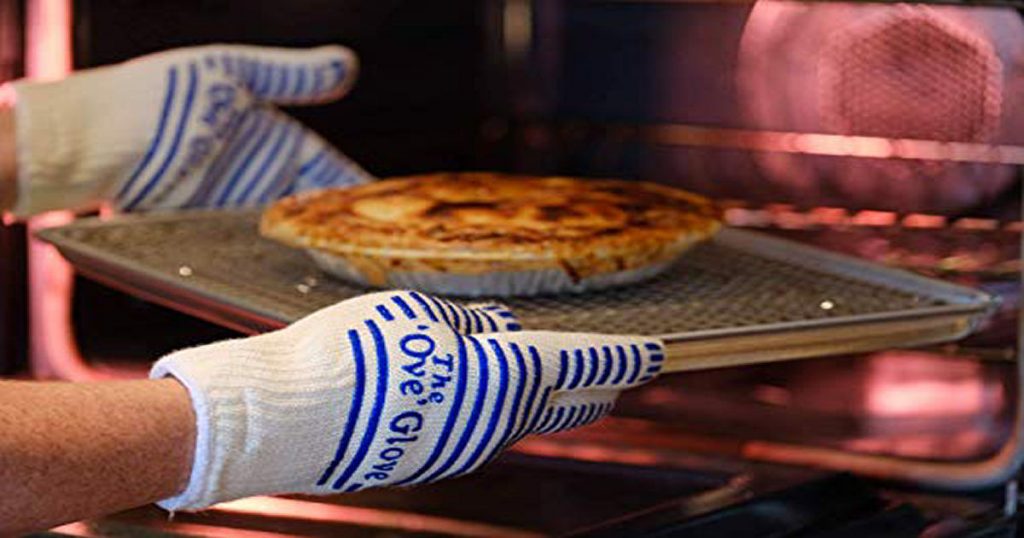
Keep your hands safe while cooking! Order today!
Silicone Oven Mitts Features
Silicone oven mitts have become popular for their unique properties. Let’s explore what makes them stand out in the kitchen.
Heat Resistance and Protection
Silicone oven mitts are known for their excellent heat resistance. They can withstand temperatures up to 500°F, offering superior protection when handling hot pots or dishes. This makes them a safe choice for most cooking tasks.
Flexibility and Comfort
Despite being made of silicone, these mitts provide flexibility, allowing you to grasp items comfortably. They mold to the shape of your hand, providing a snug fit. This ensures you maintain control while handling hot cookware.
Cleaning and Maintenance
One of the best features of silicone oven mitts is their ease of cleaning. Unlike fabric mitts, they can be rinsed under running water or tossed in the dishwasher. This makes them highly convenient for busy cooks.
Traditional Oven Mitts Characteristics
Traditional oven mitts have been a staple in kitchens for generations. Let’s examine their key characteristics and why some cooks still prefer them.
Heat Resistance and Durability
While traditional oven mitts offer decent heat protection, they might not match silicone’s high temperature threshold. However, they are generally quite durable, withstanding regular kitchen use if cared for properly.
Comfort and Grip
Traditional mitts are often praised for their comfort. Made from soft materials, they provide a cozy fit. However, their grip might not be as strong as silicone’s, especially when handling heavy or slippery items.
Cleaning and Longevity
Cleaning traditional oven mitts can be a bit more involved. They’re usually machine washable, but may not last as long as silicone mitts after many washes. Regular maintenance helps extend their lifespan.
Comparing Silicone and Traditional
With an understanding of both types, it’s time to compare their performance in real kitchen scenarios.
Performance in Kitchen Tasks
Silicone mitts excel in heat resistance and grip, making them ideal for tasks involving high temperatures and heavy cookware. Traditional mitts provide comfort and are great for lighter cooking duties.
User Experiences and Feedback
Feedback from cooks often highlights silicone mitts for their modern features, while traditional mitts are favored for their comfort. Personal experiences can significantly influence which type gets chosen.
Expert Opinions and Insights
Experts often recommend silicone mitts for their overall protection and ease of cleaning. However, they acknowledge the comfort and familiarity of traditional mitts. Each has its place depending on your kitchen needs.
Making the Right Choice
Choosing the right oven mitts depends on various factors. Here’s how you can decide which is best for you.
Choosing Based on Cooking Habits
Consider the types of meals you prepare regularly. If you often deal with high heat, silicone might be your best bet. For everyday cooking, traditional mitts could suffice.
Safety and Practicality in the Kitchen
Safety is paramount in the kitchen. Silicone mitts offer high heat resistance, essential for preventing burns. Traditional mitts, while comfortable, may provide less protection in intense heat.
Final Thoughts on Oven Mitts Selection
Ultimately, the choice between silicone and traditional oven mitts depends on your specific needs. Weigh the benefits of each type and choose the one that aligns with your cooking style and safety requirements.
Frequently Asked Questions
What makes silicone oven mitts different?
Silicone oven mitts offer superior heat resistance and grip compared to traditional mitts. They are also easy to clean, often dishwasher safe, making them convenient for frequent use.
Are traditional oven mitts still effective?
Yes, traditional oven mitts are effective for general cooking tasks. They provide comfort and durability, though they may not match silicone mitts in handling high temperatures.
How do I clean silicone oven mitts?
Silicone oven mitts can be cleaned easily with water and soap. They are often dishwasher safe, ensuring a hassle-free maintenance routine.
Which oven mitts last longer?
Silicone mitts tend to have a longer lifespan due to their durable material. Traditional mitts may wear out faster, especially after multiple washes.
Can silicone mitts replace traditional ones entirely?
While silicone mitts offer many advantages, some users still prefer traditional mitts for their comfort. It’s best to choose based on personal preference and specific kitchen needs.


All major credit cards accepted
Free Shipping – Order – Track Order – Contact Us
Best Oven Mitts for Baking
Best Oven Mitts for Baking Most oven mitts promise protection, but many fail when heat spikes in the kitchen. You need gear that stays cool, grips tight, and feels good on your hands. This guide on the best oven mitts for baking breaks down top rated options with real user [...]
How to Clean Oven Mitts and Keep Them Fresh
How to Clean Oven Mitts and Keep Them Fresh Oven mitts are some of the hardest-working tools in your kitchen, but they rarely get the attention they deserve. Over time, they pick up stains, odors, and grime that can make cooking less pleasant and less safe. Learning how to clean [...]
Best Oven Mitts for Pizza Ovens
Best Oven Mitts for Pizza Ovens Handling a pizza oven without the right gear can quickly lead to burns or dropped pies. When temperatures soar, your regular kitchen mitts won’t cut it—you need the best oven mitts designed specifically for pizza ovens. From extra-long heat resistant mitts to grips that [...]
How Often Should You Replace Your Oven Mitts?
How Often Should You Replace Your Oven Mitts? Oven mitts don’t last forever, but most people don’t know when to replace them. If your mitts show frayed fabric, strange smells, or feel less heat resistant, they might be putting you at risk. Knowing the signs of worn oven mitts and [...]
Heat Resistant Gloves: What Temperature Can They Handle?
Heat Resistant Gloves: What Temperature Can They Handle? Most heat resistant gloves claim to protect you from extreme temperatures, but can they really handle the heat you face every day? Choosing the wrong pair could leave you burned or limit your grip when you need control. This post breaks down [...]
How to Prevent Burns When Taking Food Out of the Oven
How to Prevent Burns When Taking Food Out of the Oven Burns in the kitchen happen more often than you think, especially when handling hot dishes straight from the oven. If you’ve ever flinched from a sudden steam burst or struggled with slippery mitts, you’re not alone. This post shares [...]


