How to Check Food Safely: Avoiding Burns from Your Oven
The heat from your oven door glass can linger long after you turn the oven off, catching many cooks by surprise. That leftover warmth means opening the door too soon can lead to painful burns, even when you think the oven is cool. Understanding thermal retention and following simple oven safety tips will help you check your food safely without risking your fingers or palms. For more information, you can visit this guide on proper hand protection in high-temperature cooking.

Get FREE shipping on the Ove Glove today!
Understanding Thermal Retention
Ever wondered why your oven door glass stays hot long after cooking? This section will unravel the mystery of thermal retention and its implications for your cooking routine.
Why Heat Lingers
When you turn off your oven, it doesn’t cool down instantly. The heat accumulation within the oven is significant. This heat gradually disperses but takes time to leave the glass surface. Glass, a poor conductor of heat, traps warmth longer, which can catch you off guard if you’re eager to check your dish.
Glass vs. Metal: Heat Retention
Why does glass retain heat differently than metal? Glass stores heat due to its structure and density. Metal, in contrast, releases heat quickly. This difference can affect how you approach cooking and safety. While glass stays hot longer, metal components may cool more rapidly, influencing how you handle your oven post-cooking.
Real-Life Examples
Imagine baking cookies. You open the door, thinking it’s safe, but the glass remains hot. A quick touch can lead to a painful burn. Here are insights from that experience:
-
Glass can surprise you with its temperature.
-
Always assume the oven door remains hot until proven otherwise.
-
Be cautious when reaching for food right after cooking.
For more safety insights, check out this comprehensive guide on oven safety tips.
Risks of Hot Oven Door Glass
Understanding the lingering heat is only the beginning. Recognizing the risks it poses is essential for your safety.
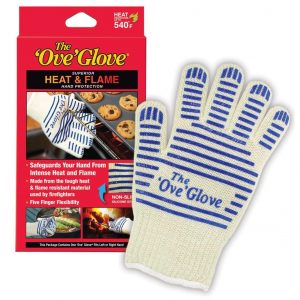
Protect your hands while cooking with the Ove Glove
Burns from Oven Door Glass
The most immediate risk is burns. Touching hot glass can lead to serious injuries. Oven burns are common, especially if you’re not paying attention. Always use caution when near the oven, and remember that glass can deceive you with its persistent warmth.
Dangers of Premature Opening
Opening the oven door too soon isn’t just risky for burns; it can also impact your food. The sudden rush of cooler air can alter cooking times and results. Avoid opening the door until you’re confident it’s safe to check on your dish without compromising safety or quality.
Common Missteps in Cooking Safety
Many cooks think the door cools as fast as the oven interior. This assumption often leads to hasty actions. Some might rely solely on sight, overlooking the tactile warning of heat. Prevent mistakes by incorporating deliberate safety checks into your routine.
For additional safety tips, explore this article on essential kitchen safety measures.
Importance of Cooling Times
Knowing why cooling times matter can transform your cooking habits. You’ll learn how to gauge when it’s safe to approach your oven.
How Cooling Times Work
Cooling times depend on several factors: the oven’s temperature, the type of dish, and the materials involved. Glass retains heat, and even after the oven’s off, it takes time to cool. This delay is crucial to consider when planning your meals and safety checks.
Safe Waiting Periods
Set a timer for at least 10 to 20 minutes after cooking. This period allows the oven and glass to cool significantly. During this time, resist the urge to check your food unless it’s urgent. Safe waiting prevents unnecessary burns and ensures better food quality.
When to Check Food Safely
Checking your food safely involves timing and tools. Use an oven glove or mitt when approaching the oven. This precaution reduces the risk of burns and lets you handle hot dishes confidently. Knowing when and how to check your food is vital for a safe kitchen experience.
Safe Practices for Checking Food
Embracing safe practices in the kitchen can prevent accidents. Here’s how to ensure your cooking environment is secure and efficient.
Oven Safety Tips
Adopting preventive measures can safeguard against burns:
-
Always use an oven glove for protection.
-
Check the oven’s temperature before touching any surface.
-
Use timers to remember when it’s safe to open the oven.
Using an Oven Glove
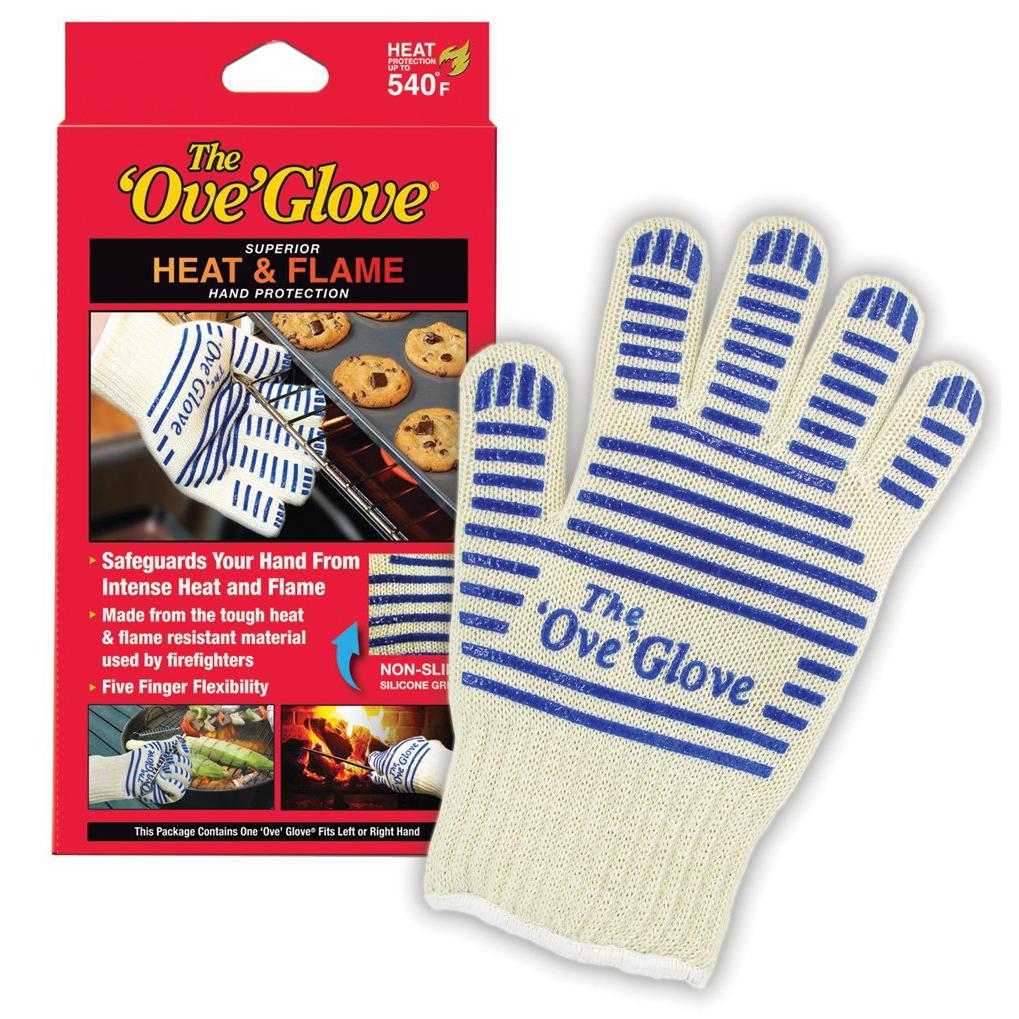
An oven glove is your best defense against heat. It’s designed to withstand high temperatures and provides a barrier between your skin and hot surfaces. Always keep one nearby and use it when handling anything from the oven.
Prevent Burns from Oven
Preventing burns from the oven requires vigilance. Stay aware of the oven’s status and avoid distractions. Simple steps can make a big difference in reducing injury risks. For an in-depth look at burn prevention, visit this comprehensive resource.
Additional Tips for Oven Safety
Beyond immediate safety, regular practices and awareness can enhance your kitchen safety.
Regular Maintenance Checks
Routine maintenance ensures your oven operates safely. Check seals, clean regularly, and inspect for any damage. Keeping your oven in good condition prevents unexpected hazards.
Keeping Kids Safe in the Kitchen
Children are naturally curious, making kitchen safety crucial. Teach them about the dangers of hot surfaces and establish a safe zone away from the oven. Supervision and education are key to preventing accidents.
Emergency Procedures for Burns
Despite precautions, accidents happen. Knowing emergency procedures can mitigate damage. Cool burns with water and seek medical help if needed. Familiarize yourself with first aid to respond promptly and effectively.
By integrating these practices and understanding the risks involved, you can create a safer cooking environment. Prioritize safety and enjoy your time in the kitchen with confidence.


All major credit cards accepted
Free Shipping – Order – Track Order – Contact Us
How the Ove Glove Enhances Pumpkin Carving Safety This Halloween
Carve with Confidence: How the Ove Glove Enhances Pumpkin Carving Safety This Halloween As Halloween approaches, pumpkin carving enthusiasts are gearing up for another season of creativity and fun. Whether you're a seasoned pro or a first-time carver, safety should always be a top priority. Enter the Ove Glove, the [...]
Snag the Ove Glove and Enjoy Free Shipping!
Last Call for Home Cooks: Snag the Ove Glove and Enjoy Free Shipping! Calling all home cooks and kitchen gadget enthusiasts! Today is your last chance to upgrade your culinary experience with the renowned Ove Glove, and it's coming with free shipping if you act fast. Known for its superior [...]
How the Ove Glove Transforms Your Kitchen Experience
From Ordinary to Extraordinary: How the Ove Glove Transforms Your Kitchen Experience When it comes to enhancing your cooking experience, nothing quite beats the Ove Glove. Designed for those who spend their days experimenting with flavors and crafting delightful dishes, this extraordinary kitchen tool goes beyond the ordinary mitts you've [...]
The Benefits of Choosing the Ove Glove for Your Kitchen
Environmentally Friendly Cooking Accessories: The Benefits of Choosing the Ove Glove for Your Kitchen In the quest for a greener kitchen, choosing the right tools can make all the difference. The Ove Glove stands out as an environmentally friendly cooking accessory, crafted from sustainable materials that ensure durability and reduce [...]
Elevate Your Outdoor Cooking Game with Essential Camping Gear
Elevate Your Outdoor Cooking Game with Essential Camping Gear There's nothing quite like the aroma of sizzling food wafting through the crisp, fresh air of the great outdoors. For campers and outdoor cooking enthusiasts, mastering the art of cooking over a campfire or with a trusty portable grill is both [...]
Why Every Home Cook Needs the Ove Glove
Heat-Resistant and Ready: Why Every Home Cook Needs the Ove Glove Cooking can be a thrilling adventure, but it also comes with its fair share of hazards, especially when you're navigating around sizzling pans and bubbling pots. Enter the Ove Glove, a game-changer in kitchen safety that offers more than [...]