
Safe Lifting Techniques for Turkey: Balancing Heavy Roasting Pans Without Breaking a Sweat
Taking a hot, heavy turkey out of the oven can feel like a risky balancing act. If you’re wondering how to remove turkey from oven without spilling grease or dropping your hard work, you’re not alone. These safe lifting techniques for turkey will help you steady that heavy roasting pan and keep messes off your counters. With the right oven glove and a few simple tips, holiday cooking tips become easier and less stressful.

Get FREE shipping on the Ove Glove today!
Mastering Safe Lifting Techniques
The art of lifting a turkey can transform your kitchen confidence. Let’s begin with the basics, focusing on your stance and posture.
Proper Stance and Posture
A strong stance is your first step to lifting safely. Stand with your feet shoulder-width apart, providing a stable base. Keep your knees slightly bent and your back straight to avoid strain. This posture distributes the weight evenly, making it easier to handle the turkey. Remember, your legs should do most of the work, not your back. This approach reduces the risk of injury and makes the task feel less daunting.
Using Oven Gloves Effectively
The right oven glove can be your best friend in the kitchen. Choose gloves that offer both heat resistance and a good grip. This choice ensures you can hold the roasting pan securely without fear of burns. As you lift, focus on maintaining a firm grasp. Practice using your gloves before the big day, so you know exactly how they feel with a heavy load. This familiarity boosts your confidence when it’s time to lift the turkey.
Lifting with Confidence
Confidence is key when handling a hot, heavy pan. Once you have your stance and gloves sorted, approach the pan decisively. Lift with a smooth, steady motion, using both hands. Avoid jerky movements that might cause spillage. By practicing these steps, you can approach the task with assurance, making the process feel like a natural part of your cooking routine.
Balancing Heavy Roasting Pans
With lifting techniques in mind, let’s explore how to balance those hefty pans without losing your cool.
Center of Gravity Tips
Finding your center of gravity is crucial for balance. Keep the pan close to your body as you lift. This reduces the leverage on your arms and helps maintain control. If the load feels uneven, adjust by slightly shifting the pan. This small change can make a big difference in stability and ease of moving the pan.
Steady Grip Solutions
A steady grip prevents slips and spills. Use both hands to hold the pan’s sides firmly. If your pan has handles, make sure your fingers are wrapped securely around them. Avoid sudden movements or twists that could disrupt your hold. Staying calm and focused will keep your grip strong and stable.
Supporting the Pan Safely
Supporting the pan as you move it is vital. If you need to set the pan down, do so slowly, maintaining control. Use a trivet or heat-resistant surface to avoid damaging your countertops. This practice ensures the pan remains secure and reduces the likelihood of accidental spills.
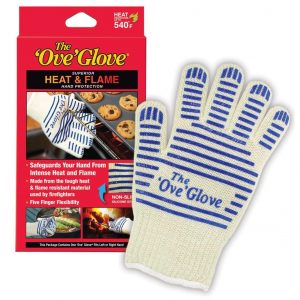
Protect your hands while cooking with the Ove Glove
Preventing Grease Splashes
Avoiding grease splashes is as important as lifting the turkey safely. Let’s explore methods to keep your kitchen clean.
Shielding Techniques
Shielding the pan can prevent unwanted splashes. Use a lid or aluminum foil to cover the turkey while lifting. This acts as a barrier, keeping hot grease contained. If a cover isn’t available, lift cautiously to avoid disturbing the liquid. This simple step can save you a significant clean-up later.
Managing Pan Drippings
Pan drippings can be tricky. Before lifting, consider using a baster to remove some of the liquid. This reduces the chance of overflow. If you’re planning to use the drippings for gravy, set them aside in a safe container before proceeding. This preparation allows you to focus on the lift without worrying about spills.
Clean-Up Strategies
Even with precautions, spills happen. Have paper towels or a damp cloth ready for quick clean-ups. Address any splashes immediately to prevent grease from spreading. A little preparation goes a long way in maintaining a tidy kitchen environment.
Holiday Cooking Tips
With lifting and balancing covered, let’s dive into making your holiday cooking experience smoother and more enjoyable.
Planning Your Oven Space
Efficient oven space management can streamline your cooking process. Before you even start, plan where each dish will go. This foresight ensures you have enough room for everything, reducing last-minute reshuffling. Consider the size of your dishes and how they fit together in the oven to optimize your cooking time.
Timing Your Turkey Cook
Getting the timing right ensures your turkey is perfect. Use a thermometer to check the internal temperature, aiming for 165°F. This accuracy prevents overcooking while keeping the meat juicy. By timing your turkey correctly, you can coordinate with other dishes and avoid the holiday rush.
Stress-Free Kitchen Workflow
A smooth workflow makes for a stress-free kitchen. Prepare ingredients in advance, and organize your tools for easy access. Consider setting timers or using a cooking schedule to keep everything on track. This planning helps reduce stress and allows you to enjoy the process more.
Conclusion and Final Thoughts
You’ve learned the essentials of lifting, balancing, and preventing kitchen mishaps. Let’s wrap up with a quick recap and some final encouragement.
Recap of Key Techniques
Remember the key techniques: stance and posture, effective glove use, and confident lifting. Keep these in mind for a safe and successful turkey lift. Each step contributes to a smoother cooking experience.
Encouragement for Holiday Chefs
To all holiday chefs, trust your skills and preparations. You’ve got the knowledge and tools to make the day a success. Feel proud of your efforts and enjoy the fruits of your labor.
Final Safety Reminders
Safety is paramount in the kitchen. Keep these reminders in mind: lift with your legs, grip the pan securely, and focus on preventing spills. By staying aware, you protect yourself and ensure a pleasant cooking experience. Enjoy your holiday feast with confidence.


All major credit cards accepted
Free Shipping – Order – Track Order – Contact Us
Best Oven Gloves for People Who Hate Bulky Oven Mitts
Best Oven Gloves for People Who Hate Bulky Oven Mitts Bulky oven mitts can make handling hot cookware feel clumsy and awkward, turning simple kitchen tasks into a hassle. If you’ve been searching for oven gloves that offer protection without the bulk, you’re not alone. This guide breaks down the [...]
Ove Glove vs Silicone Oven Mitt: Which Is Better?
Ove Glove vs Silicone Oven Mitt: Which Is Better? Most people reach for a silicone oven mitt without thinking twice, but the Ove Glove offers a completely different kind of protection. Choosing the right oven protection can make your time in the kitchen safer and more comfortable, whether you’re baking [...]
Best Heat Resistant Gloves for Cooking and Baking
Best Heat Resistant Gloves for Cooking and Baking Handling hot pans and baking trays without the right protection can turn every cooking session into a risky task. Choosing the right heat resistant gloves makes all the difference between safe handling and painful burns. This guide breaks down the key features [...]
Best Oven Gloves for Dutch Ovens and Heavy Cookware
Best Oven Gloves for Dutch Ovens and Heavy Cookware Handling hot Dutch ovens and heavy cookware is tougher than most kitchen tasks. Using the wrong oven gloves can lead to burns or dropped pots, turning cooking into a risk. This guide breaks down the best oven gloves for Dutch oven [...]
Best Oven Gloves for Handling Hot Baking Sheets
Best Oven Gloves for Handling Hot Baking Sheets Handling hot baking sheets without the right protection can quickly turn from a simple task into a painful mistake. You need oven gloves that combine strong heat resistance with a secure grip and flexible fit to keep your hands safe and steady. [...]
10 Things to Look for When Buying Heat Resistant Cooking Gloves
10 Things to Look for When Buying Heat Resistant Cooking Gloves Most cooking gloves claim to protect you from heat, but many fall short when it matters most. Choosing the right pair can save your hands from burns and make handling hot pots safer. This buying guide for cooking gloves [...]


