Best Oven Gloves for Dutch Ovens and Heavy Cookware
Handling hot Dutch ovens and heavy cookware is tougher than most kitchen tasks. Using the wrong oven gloves can lead to burns or dropped pots, turning cooking into a risk. This guide breaks down the best oven gloves for Dutch oven use, focusing on heat resistance, grip, and length to keep you safe and steady. Read on to find gloves that protect your hands and make heavy lifting easier in your kitchen. For more insights, check out The Best Oven Mitts for Dutch Oven Handling.

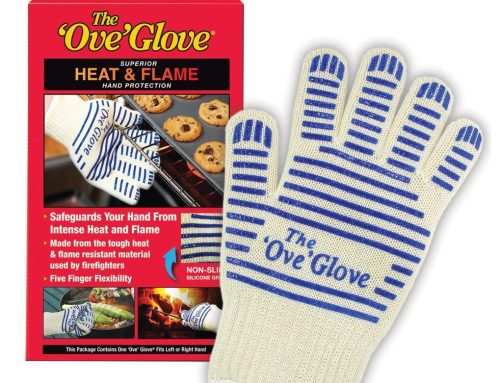
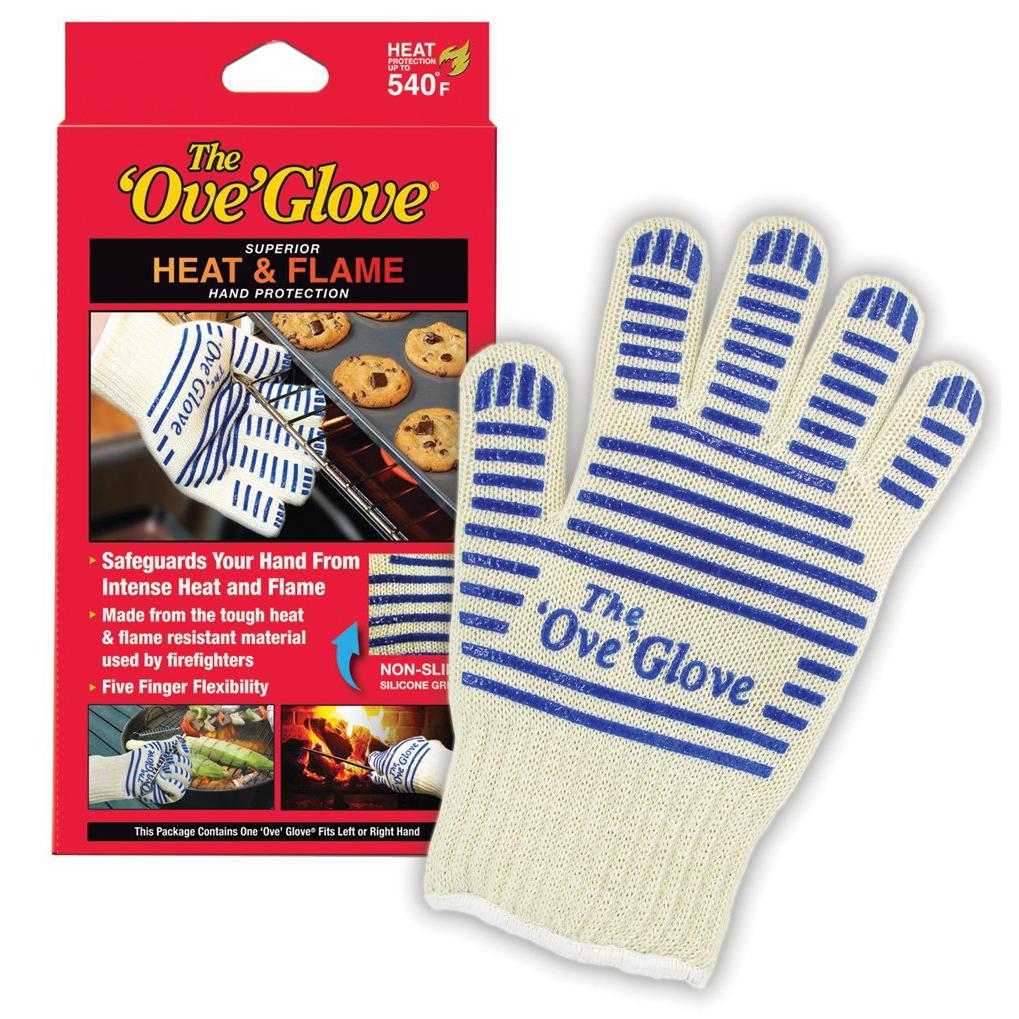
Get FREE shipping on the Ove Glove today!
Essential Features of Oven Gloves
The right oven gloves can transform your cooking experience. Let’s start by understanding what makes them a must-have in your kitchen.
Heat Resistance Explained
Keeping your hands safe from burns is crucial. Heat-resistant gloves are designed to withstand high temperatures, making them perfect for handling Dutch ovens. They often feature materials like silicone, which can endure temperatures up to 500°F. This means you can confidently lift hot pans without fear of burns. The best oven gloves will have multiple layers for added protection, ensuring you stay cool even when things heat up.
Optimal Grip Strength
Slippery gloves can lead to accidents. Look for gloves with textured surfaces that provide a firm grip on heavy cookware. The texture can be made from patterns or ridges on the glove’s surface, helping you hold heavy pots securely. This not only prevents spills but also makes maneuvering in the kitchen safer and more efficient.
Importance of Glove Length
Glove length matters more than you might think. Longer gloves protect not just your hands but your wrists and forearms too. This is especially useful when reaching into hot ovens or handling large pots that might brush against your arms. Consider gloves that extend past your wrist for comprehensive protection.
Materials and Durability
Choosing the right material can extend the life of your gloves. Let’s compare some common materials used in making oven gloves.
Cotton vs. Silicone
Cotton gloves are soft and breathable, offering comfort during long cooking sessions. They provide basic protection and are often lined with silicone for added grip. Silicone gloves, on the other hand, are heat resistant and waterproof. They are easy to clean and ideal for handling greasy or wet cookware. While cotton may be more comfortable, silicone offers superior protection against heat and spills.
Kevlar and Aramid Fibers
For those serious about safety, consider gloves made from Kevlar or aramid fibers. These materials are known for their high heat resistance and durability. They can protect your hands from extreme temperatures and are often used in professional kitchens. While they might be an investment, the long-term benefits include peace of mind and fewer replacements.
Comfort Meets Durability
Balancing comfort with durability is key. Look for gloves that have a soft lining yet remain sturdy enough to withstand frequent use. A good pair of gloves will not compromise on either aspect, ensuring you have a reliable kitchen accessory that feels good to wear.
User Experiences and Expert Recommendations
Learning from others’ experiences is invaluable. Let’s dive into what home cooks and chefs recommend for the best oven gloves.
Insights from Home Cooks
Home cooks often prioritize comfort and ease of use. Many recommend gloves that are not too bulky, allowing for better dexterity when handling utensils and pots. Reviews often highlight the importance of finding gloves that fit well, avoiding those that are too loose or tight for better control.
Chef-Approved Picks
Chefs usually opt for gloves that offer maximum protection and durability. Brands that use high-quality materials like Kevlar tend to be popular in professional kitchens. Chefs also value gloves that can handle both high heat and moisture, making them versatile for different cooking methods.
Avoiding Common Pitfalls
Avoid gloves that are purely aesthetic. While they might look good, they may not provide the necessary protection. Also, steer clear of gloves that don’t offer a secure grip, as they can lead to accidents in the kitchen. It’s essential to balance style with safety features.
Choosing the Right Gloves for You
Finding the perfect oven gloves involves assessing your needs and comparing brands. Here’s how to make an informed choice.
Assessing Your Cooking Needs
Think about how often and what type of cooking you do. If you frequently handle heavy cookware, prioritize gloves with excellent grip and heat resistance. For occasional use, a standard pair might suffice. Understanding your needs will guide you in selecting gloves that offer the right features.
Comparing Top Brands
Research and compare top brands known for quality oven gloves. Look for brands with positive reviews and those recommended by both home cooks and professionals. Consider visiting Best Oven Gloves for Handling Cast Iron Pans for insights into trusted brands.
Making the Final Decision
Once you’ve gathered information, choose gloves that align with your cooking style and safety requirements. Remember, investing in quality gloves can save you from accidents and make cooking an enjoyable experience.
Safety and Maintenance Tips
Proper care extends the life of your oven gloves. Here are some tips to keep them in good shape.
Proper Cleaning Techniques
Always check the care instructions before washing your gloves. Most silicone gloves can be wiped clean or washed in a dishwasher. For fabric gloves, a gentle machine wash might be suitable. Regular cleaning prevents the build-up of grease and odors.
Ensuring Long-Term Use
Store your gloves in a dry place to prevent mold and mildew. Avoid exposing them to direct sunlight for long periods, as this can degrade the material over time. Regularly inspect for any wear and tear and replace gloves that show signs of damage.
Enhancing Your Cooking Safety
Use your gloves as intended and avoid using them for tasks they aren’t designed for, like handling sharp objects. To further enhance safety, consider reading additional resources on preventing kitchen injuries.
Frequently Asked Questions
What materials are best for heat-resistant oven gloves?
Materials like silicone, Kevlar, and aramid fibers are excellent for heat resistance. They can withstand high temperatures and provide a good grip on cookware.
How can I ensure my oven gloves last longer?
Regular cleaning, proper storage, and following care instructions can help extend the life of your gloves. Avoid exposing them to extreme conditions outside of cooking.
Are longer gloves better for kitchen safety?
Yes, longer gloves offer more protection by covering the wrists and forearms. This is especially important when reaching into ovens or handling large pots.
Why is grip strength important in oven gloves?
Grip strength prevents accidents by ensuring you can securely hold heavy or slippery cookware. Textured surfaces on gloves enhance grip without sacrificing heat protection.
Should I choose gloves based on price or brand reputation?
While price is a factor, brand reputation often speaks to quality and reliability. Consider investing in gloves from reputable brands recognized for their durability and safety features.


All major credit cards accepted
Free Shipping – Order – Track Order – Contact Us
Are Silicone Oven Mitts Better Than Fabric Oven Mitts?
Are Silicone Oven Mitts Better Than Fabric Oven Mitts? Most people grab fabric oven mitts without thinking twice, but silicone oven mitts have quietly taken over many kitchens. If you’ve ever struggled with a mitt that’s too flimsy or soaked through, you know the frustration. This oven mitt comparison breaks [...]
Best Oven Gloves for People Who Hate Bulky Oven Mitts
Best Oven Gloves for People Who Hate Bulky Oven Mitts Bulky oven mitts can make handling hot cookware feel clumsy and awkward, turning simple kitchen tasks into a hassle. If you’ve been searching for oven gloves that offer protection without the bulk, you’re not alone. This guide breaks down the [...]
Ove Glove vs Silicone Oven Mitt: Which Is Better?
Ove Glove vs Silicone Oven Mitt: Which Is Better? Most people reach for a silicone oven mitt without thinking twice, but the Ove Glove offers a completely different kind of protection. Choosing the right oven protection can make your time in the kitchen safer and more comfortable, whether you’re baking [...]
Best Heat Resistant Gloves for Cooking and Baking
Best Heat Resistant Gloves for Cooking and Baking Handling hot pans and baking trays without the right protection can turn every cooking session into a risky task. Choosing the right heat resistant gloves makes all the difference between safe handling and painful burns. This guide breaks down the key features [...]
Best Oven Gloves for Dutch Ovens and Heavy Cookware
Best Oven Gloves for Dutch Ovens and Heavy Cookware Handling hot Dutch ovens and heavy cookware is tougher than most kitchen tasks. Using the wrong oven gloves can lead to burns or dropped pots, turning cooking into a risk. This guide breaks down the best oven gloves for Dutch oven [...]
Best Oven Gloves for Handling Hot Baking Sheets
Best Oven Gloves for Handling Hot Baking Sheets Handling hot baking sheets without the right protection can quickly turn from a simple task into a painful mistake. You need oven gloves that combine strong heat resistance with a secure grip and flexible fit to keep your hands safe and steady. [...]