
Can Oven Mitts Get Wet? Why Moisture Makes Heat Protection Worse
Using wet oven mitts is more dangerous than most people realize. Moisture can sneak into the fabric and cut down its heat protection, putting your hands at risk. If you care about kitchen safety, understanding the moisture impact on your mitts is a must. This post explains why keeping your oven mitts dry is key to burn prevention and shares simple oven mitt care tips you can start today. For more tips on keeping your kitchen safe, check out this guide.

Get FREE shipping on the Ove Glove today!
Understanding Oven Mitt Materials
A solid understanding of oven mitt materials can enhance your kitchen safety. Each material offers unique qualities that determine how well your mitts protect you from heat.
Common Materials in Oven Mitts
Most oven mitts are made from cotton, silicone, or a blend of both. Cotton mitts are popular for their comfort and flexibility. They’re often lined with additional layers for extra heat resistance. Silicone mitts, on the other hand, provide excellent grip and are known for their waterproof nature. You might find that some mitts combine these materials to leverage the best of both worlds. When selecting mitts, consider what material best fits your cooking habits to ensure maximum protection.
Insulating Properties of Mitts
The insulation in oven mitts is what keeps your hands safe from heat. Cotton mitts typically have quilted layers that trap air, acting as a barrier against heat. Silicone mitts, meanwhile, use their dense material to block heat. Good insulation is crucial as it directly impacts the effectiveness of the mitts at preventing burns. The level of insulation you need can vary based on your cooking style and the temperatures you frequently encounter.
Effects of Water on Materials
When oven mitts get wet, their insulating properties can degrade significantly. Cotton, for instance, absorbs water easily, which can create a path for heat to transfer more quickly to your skin. Even silicone, though water-resistant, can suffer from reduced grip when wet. This moisture impact underscores the importance of keeping your mitts dry. Understanding these material quirks helps you make informed choices about oven mitt care and maintenance.
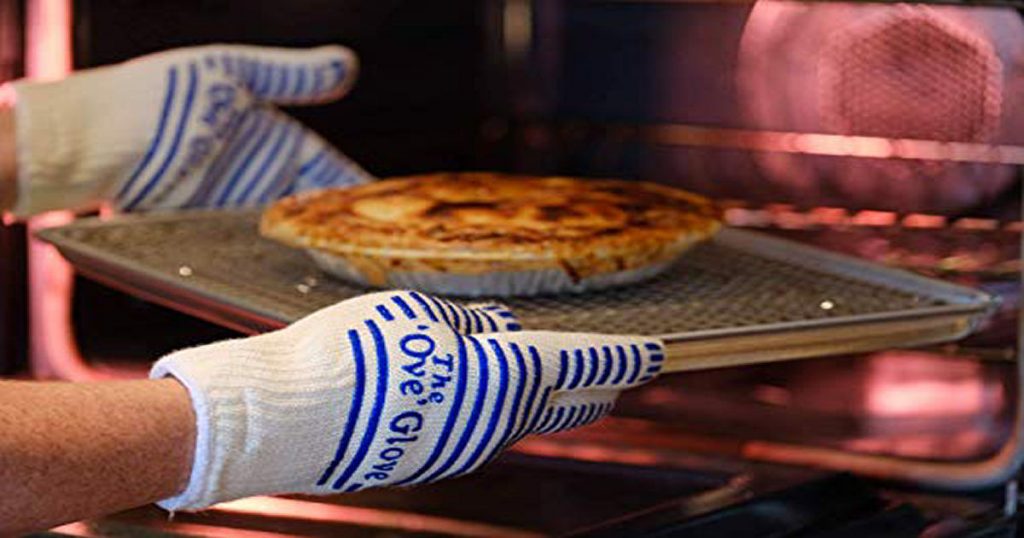
Keep your hands safe while cooking! Order today!
How Moisture Impacts Heat Protection
Moisture’s effect on oven mitts is a topic many overlook, yet it’s crucial for safety. Wet mitts can lead to reduced heat protection, increasing burn risk.
Reduced Insulation with Wet Mitts
When your oven mitts are wet, their ability to insulate goes down. This is because moisture fills the air pockets meant to provide heat resistance. With cotton mitts, the fabric becomes denser, leading to faster heat transmission to your hands. Silicone mitts, though less absorbent, can still slip when they’re wet, compromising your grip on hot items. Maintaining dry mitts ensures they function as intended, keeping you safe.
Increased Burn Risk from Moisture
Wet mitts not only reduce insulation but also heighten the risk of burns. The moisture allows heat to transfer quickly, making it easier for you to get burned. Imagine trying to handle a hot pan with a wet towel: the heat rushes through, right? That’s similar to what happens with wet oven mitts. This increased burn risk highlights the need to keep your mitts dry for effective kitchen safety.
Scientific Explanation of Heat Transfer
Heat moves from hot objects to cooler ones, a process called heat transfer. When your oven mitts are wet, this process speeds up. Water is a good conductor of heat, meaning it can transfer heat faster than air. Hence, when your mitts are soaked, they allow heat to pass through more easily, making them less effective at protecting you. Understanding this scientific concept is key to appreciating why dry mitts are essential.
Essential Oven Mitt Care Tips
Keeping your oven mitts in top condition is crucial for kitchen safety. Proper care ensures they remain effective and long-lasting.
Keeping Mitts Dry
A simple yet vital step is keeping your mitts dry. After washing, hang them up in a well-ventilated area to air dry. Avoid leaving them near sinks or in damp locations where they can absorb moisture. If your mitts do get wet while cooking, switch them out for dry ones immediately. Consistently dry mitts provide reliable heat protection, minimizing the risk of burns.
Proper Cleaning Practices
Regular cleaning is important but must be done correctly to avoid damage. For cotton mitts, machine wash them on a gentle cycle with mild detergent. Silicone mitts can be wiped down with a damp cloth or washed in warm soapy water. Avoid using bleach or harsh chemicals, as these can weaken the fabric or silicone. Proper cleaning keeps your mitts hygienic and effective.
Storage Solutions for Longevity
How you store your mitts also affects their longevity. Keep them in a dry place, away from moisture and heat sources. Hanging mitts ensures they remain dry and are easily accessible when needed. You can use hooks or a dedicated drawer for storage. Proper storage not only extends the life of your mitts but also ensures they are ready for safe use anytime.
Enhancing Kitchen Safety
Enhancing your kitchen safety starts with understanding the tools you use. Dry oven mitts are a key part of this equation.
Importance of Dry Mitts
The importance of keeping your mitts dry cannot be overstated. Dry mitts mean better insulation and safer cooking. They give you the confidence to handle hot dishes without fear of burns. This simple step can greatly enhance your overall kitchen safety, making cooking a more enjoyable and worry-free experience.
Burn Prevention Strategies
Preventing burns involves more than just dry mitts. Always use mitts designed for high temperatures. When removing items from the oven, do so slowly and carefully. Check out these safe removal tips to avoid accidents. These strategies, combined with dry mitts, form a robust burn prevention plan.
Selecting the Right Mitts
Choosing the right mitts is crucial for safety. Consider mitts with high heat resistance and a comfortable fit. Silicone mitts might be ideal if you frequently handle wet items, while cotton might suit those who prioritize comfort. Selecting mitts that match your needs ensures they perform effectively, keeping you safe in the kitchen.
Conclusion: Ensuring Maximum Heat Protection
Ensuring maximum heat protection involves a few key steps. Keeping mitts dry, choosing the right materials, and practicing proper care are all vital.
Summary of Key Points
In summary, dry oven mitts maintain better insulation, reducing the risk of burns. Understanding the materials and how moisture affects them is crucial. Proper care and storage extend the life of your mitts, ensuring they remain effective for all your kitchen needs.
Encouragement to Maintain Mitts
Maintaining your oven mitts is a small task with big benefits. By keeping them dry and clean, you ensure your safety and prolong their use. Next time you’re in the kitchen, remember these tips and cook with confidence, knowing your hands are well protected.
Frequently Asked Questions
How do I keep my oven mitts dry?
To keep oven mitts dry, store them in a well-ventilated area and avoid leaving them near wet surfaces. If they become wet, hang them to air dry promptly.
Can I wash oven mitts in the washing machine?
Yes, most cotton oven mitts can be washed in the machine on a gentle cycle. Use mild detergent and avoid bleach. Silicone mitts should be wiped down with a damp cloth.
Why do wet oven mitts reduce heat protection?
Wet mitts reduce heat protection because water conducts heat better than air. This speeds up heat transfer, making it easier for burns to occur.
What materials are best for oven mitts?
Silicone and cotton are popular materials. Silicone provides excellent grip and waterproofing, while cotton offers comfort and flexibility. Choose based on your cooking habits.
Is it safe to use silicone oven mitts for baking?
Yes, silicone oven mitts are safe for baking. They offer high heat resistance and a secure grip, making them ideal for handling hot baking trays and pans.


All major credit cards accepted
Free Shipping – Order – Track Order – Contact Us
Are Silicone Oven Mitts Better Than Fabric Oven Mitts?
Are Silicone Oven Mitts Better Than Fabric Oven Mitts? Most people grab fabric oven mitts without thinking twice, but silicone oven mitts have quietly taken over many kitchens. If you’ve ever struggled with a mitt that’s too flimsy or soaked through, you know the frustration. This oven mitt comparison breaks [...]
Best Oven Gloves for People Who Hate Bulky Oven Mitts
Best Oven Gloves for People Who Hate Bulky Oven Mitts Bulky oven mitts can make handling hot cookware feel clumsy and awkward, turning simple kitchen tasks into a hassle. If you’ve been searching for oven gloves that offer protection without the bulk, you’re not alone. This guide breaks down the [...]
Ove Glove vs Silicone Oven Mitt: Which Is Better?
Ove Glove vs Silicone Oven Mitt: Which Is Better? Most people reach for a silicone oven mitt without thinking twice, but the Ove Glove offers a completely different kind of protection. Choosing the right oven protection can make your time in the kitchen safer and more comfortable, whether you’re baking [...]
Best Heat Resistant Gloves for Cooking and Baking
Best Heat Resistant Gloves for Cooking and Baking Handling hot pans and baking trays without the right protection can turn every cooking session into a risky task. Choosing the right heat resistant gloves makes all the difference between safe handling and painful burns. This guide breaks down the key features [...]
Best Oven Gloves for Dutch Ovens and Heavy Cookware
Best Oven Gloves for Dutch Ovens and Heavy Cookware Handling hot Dutch ovens and heavy cookware is tougher than most kitchen tasks. Using the wrong oven gloves can lead to burns or dropped pots, turning cooking into a risk. This guide breaks down the best oven gloves for Dutch oven [...]
Best Oven Gloves for Handling Hot Baking Sheets
Best Oven Gloves for Handling Hot Baking Sheets Handling hot baking sheets without the right protection can quickly turn from a simple task into a painful mistake. You need oven gloves that combine strong heat resistance with a secure grip and flexible fit to keep your hands safe and steady. [...]


