
Kitchen Safety 101: Choosing Safer Alternatives to Traditional Oven Mitts
Bulky oven mitts might be making your kitchen more dangerous than you think. Many home cooks drop hot dishes because these mitts slip or get in the way. In this post, you’ll see why oven mitt safety matters and how choosing secure grip alternatives can prevent burns and kitchen accidents. For more on preventing kitchen accidents, you can check this resource.
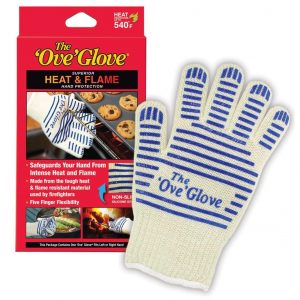
Never burn your hands again while cooking!

Understanding Oven Mitt Safety
Kitchen mishaps can often be traced back to the tools we use. Let’s unpack the hidden dangers of traditional oven mitts and how they can contribute to common kitchen accidents.
The Risks of Bulky Oven Mitts
Giant mitts might seem safe, but they’re often the root of the problem. Their thick fabric can reduce your ability to grip. Imagine pulling a hot dish from the oven, only to have it slip because the mitts are too cumbersome. It’s a common scenario that leads to spills and burns. A study revealed that 45% of kitchen burns are due to mishandling hot items. Bulky mitts can make it hard to feel what you’re holding, causing accidents.
Moreover, these mitts can catch on pot handles or edges, increasing the chance of drops. The less control you have, the more dangerous your kitchen becomes. It’s time to rethink what keeps us safe in the kitchen.
Common Kitchen Accidents
Kitchen accidents are more frequent than you might think. Whether it’s a hot dish slipping or a spill causing a burn, these incidents happen daily. Let’s explore what causes them.
-
Burns from slipping dishes: Bulky mitts can make dishes feel less secure.
-
Spills leading to burns: If a mitt slips, so can the dish, causing hot spills.
-
Contact burns: Touching the oven by accident due to mitt bulkiness.
These are just a few examples. If you’ve ever dropped a hot dish, you’re not alone. Many people have faced these challenges, often questioning their tool choices afterward. You can read more about safe cooking practices in this guide.
Burn Prevention Techniques
Preventing burns starts with better choices. Consider these techniques to reduce burn risk:
-
Choose thinner mitts with heat-resistant materials for better grip.
-
Practice careful handling – test the grip before lifting heavy dishes.
-
Keep kitchen surfaces dry, as wet mitts can slip easily.
By focusing on the right tools and techniques, you can enjoy safer cooking experiences. Remember, the longer you wait to change your habits, the greater the risk. For outdoor cooking tips, check this resource.
Exploring Safer Alternatives
Now that we understand the risks, it’s crucial to explore safer alternatives that provide security without the bulk. This section will guide you through options that enhance your kitchen safety.
Secure Grip Solutions
Secure grip solutions are game-changers in kitchen safety. Products designed with advanced materials offer better control and comfort. Silicone mitts, for example, provide a non-slip grip and withstand higher temperatures. This improvement can significantly reduce accidents.
Some mitts also feature textured surfaces that help hold dishes firmly. No more guessing whether you have a good grip. These solutions are built to protect you and your kitchen. Most people think traditional mitts are safer, but modern designs prove otherwise.
Modern Kitchen Safety Tips
To conclude, implementing safety tips can transform your cooking experiences:
-
Use mitts with better grip designs – they ensure safety and confidence.
-
Keep your workspace organized – clutter can lead to mishaps.
-
Engage with cooking communities, like this Reddit group, to learn and share tips.
These tips not only enhance your safety but also elevate your cooking experience. If you want to connect with others passionate about kitchen safety, join this Facebook group.
By making informed choices and embracing safer alternatives, you can enjoy cooking while minimizing risks. Remember, a safe kitchen is a happy kitchen.
Never burn your hands again while cooking!
How to Prevent Burns When Taking Food Out of the Oven
How to Prevent Burns When Taking Food Out of the Oven Burns in the kitchen happen more often than you think, especially when handling hot dishes straight from the oven. If you’ve ever flinched from a sudden steam burst or struggled with slippery mitts, you’re not alone. This post shares [...]
Can Oven Mitts Get Wet? Why Moisture Makes Heat Protection Worse
Can Oven Mitts Get Wet? Why Moisture Makes Heat Protection Worse Using wet oven mitts is more dangerous than most people realize. Moisture can sneak into the fabric and cut down its heat protection, putting your hands at risk. If you care about kitchen safety, understanding the moisture impact on [...]
Best Oven Gloves for Air Fryers
Best Oven Gloves for Air Fryers Handling hot air fryer baskets without the right gloves can turn meal prep into a risky task. Many oven gloves fall short when it comes to heat resistance, grip, or flexibility, making it harder to cook safely and comfortably. This guide highlights the best [...]
Best Oven Mitts for People With Small Hands and Large Hands
Best Oven Mitts for People With Small Hands and Large Hands Most oven mitts come in one size fits all, but that often means they fit no one well. If you have small hands, bulky mitts can feel clumsy and unsafe. Large hands? You might struggle to get a proper [...]
Are Oven Mitts or Gloves Better for Grip?
Are Oven Mitts or Gloves Better for Grip? Grabbing hot cookware without a solid grip can turn your kitchen into a danger zone. Oven mitts and gloves both promise protection, but which one really holds tight when it matters most? Let’s break down how texture, flexibility, and coverage affect oven [...]
Oven Mitt vs Oven Glove: What’s the Difference?
Oven Mitt vs Oven Glove: What's the Difference? Most home cooks treat oven mitts and oven gloves like the same thing. The truth is, each offers different levels of heat resistance, coverage, and control. Knowing these differences can keep you safer and more comfortable in the kitchen. Let’s break down [...]


