
Essential Kitchen Tips for Families: Cooking Safely with Kids
Most parents want to cook with their kids but worry about safety hazards. The kitchen can feel like a minefield when little hands are eager to help. This guide shares kitchen tips for families that make cooking with children safer and more enjoyable, starting with simple tools like an oven glove to protect tiny fingers. For more insights on keeping children safe in the kitchen, check out this resource.

Get FREE shipping on the Ove Glove today!
Introduction to Kitchen Safety
Cooking with kids can be a fun and rewarding experience, but it’s crucial to keep safety in mind. Knowing how to manage risks can make the kitchen a safe and enjoyable place for the whole family.
Importance of Cooking Safety
Safety is the foundation of a happy cooking experience. Children are naturally curious, and the kitchen can be a wonderland, but also dangerous. A recent study showed that nearly 50% of home accidents occur in the kitchen. By taking precautions, you can protect your loved ones and create a stress-free environment. Consider simple practices, like keeping knives out of reach and using child-proof locks on cabinets, to prevent accidents.
Benefits of Cooking with Children
Cooking together isn’t just about making meals; it’s an opportunity to bond and teach valuable skills. When kids participate, they learn about nutrition, math, and science. It’s also a chance to foster patience and cooperation. Imagine your child measuring ingredients and learning fractions in the process! These activities not only build skills but also boost confidence. Cooking can be a memorable family activity that everyone looks forward to.
Preparing a Kid-Friendly Kitchen
Creating a safe and welcoming kitchen for your children involves a few thoughtful steps. Once you’ve set up a secure space, cooking can become a delightful adventure for both you and your kids.
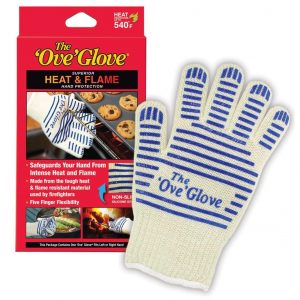
Protect your hands while cooking with the Ove Glove
Essential Kitchen Tips for Families
Start by organizing your kitchen to minimize risks. One key tip is to store cleaning supplies high up and away from children’s reach. Make sure heavy pots and pans are stored on lower shelves. A simple step like using non-slip mats can prevent falls. As a rule of thumb, always have a fire extinguisher handy and know how to use it. These measures ensure that everyone can focus on the fun parts of cooking.
Setting Up Safe Cooking Zones
Designate specific areas in your kitchen for different tasks. Keep hot surfaces and sharp tools in one zone and safe, kid-friendly areas in another. This way, children have their own space to explore without danger. Use child-sized utensils to empower them while maintaining safety. Setting boundaries in the kitchen not only reduces risks but also teaches children about spatial awareness and organization.
Teaching Children Safe Cooking Practices
Educating your kids about cooking safety is as important as the meal itself. Understanding the right practices can prevent mishaps and teach responsibility.
Age-Appropriate Kitchen Tasks
Every child can contribute to the kitchen in some way. Younger kids can wash veggies and stir ingredients, while older ones can handle more complex tasks like measuring or peeling. Tailoring tasks to their age ensures they stay engaged without feeling overwhelmed. It’s crucial to supervise them closely, especially when they’re trying something new. This approach builds their skills gradually and securely.
Using Tools Safely: Oven Glove and More
An oven glove is a must-have for protecting little hands from burns. Teach your kids to use one whenever they’re near the oven or stove. Other essential tools include child-safe knives and peelers. Show them how to use each tool correctly, turning each lesson into a fun learning moment. By making tools accessible and understandable, you empower your children to cook safely.
Engaging Kids in the Cooking Process
Once the safety groundwork is laid, you can focus on making cooking an exciting and educational activity for your kids. Encourage their creativity and independence in the kitchen.
Fun and Educational Cooking Activities
Incorporate activities that teach and entertain. Try making homemade pizza, allowing them to choose toppings. Baking cookies can become a math lesson as they measure and mix ingredients. These activities are not just fun; they are learning experiences. Each cooking session can be an adventure that builds skills and creates cherished memories.
Encouraging Creativity and Independence
Give your children the freedom to experiment within set boundaries. Let them create their own recipes or decorate cupcakes. Encourage them to express themselves, fostering confidence and creativity. By doing this, you not only make cooking enjoyable but also teach them to think independently. Such empowerment goes beyond the kitchen, helping them in other areas of life as well.
Addressing Common Safety Concerns
Even with precautions, concerns may arise. Being prepared and proactive can help you tackle these challenges effectively.
Preventing Accidents and Injuries
To prevent accidents, always supervise your children closely. Teach them the importance of not running in the kitchen and being aware of hot surfaces. Use back burners and turn pot handles inward to avoid spills. Regularly review these safety practices to keep them top of mind. By staying vigilant, you create a safer cooking environment for everyone.
Child Safety in the Kitchen: What to Watch For
Be aware of potential hazards like sharp edges, hot appliances, and slippery floors. Keep an eye on your children’s activities and intervene when necessary. Educate them on what’s safe and what’s not. It’s also wise to have a first-aid kit within reach. Remember, the best way to handle accidents is to prevent them from happening in the first place.
By implementing these kitchen tips for families, you can create a safe and enjoyable cooking environment for your children. Remember, the kitchen is not just for cooking—it’s a place for learning and bonding. With the right safety measures, you can turn every meal into a cherished family memory.


All major credit cards accepted
Free Shipping – Order – Track Order – Contact Us
How to Handle a Cast Iron Skillet Safely When It’s Hot
How to Handle a Cast Iron Skillet Safely When It's Hot Handling a hot cast iron skillet can feel like walking a tightrope without a safety net. One wrong move, and you risk burns or spills that ruin your cooking flow. This guide will share practical cooking safety tips and [...]
How to Safely Remove a Hot Baking Dish From the Oven
How to Safely Remove a Hot Baking Dish From the Oven Burns from hot baking dishes happen more often than you might think, and a split second of carelessness can ruin your day. You want to enjoy your delicious meals without risking painful accidents or messy spills. Learning how to [...]
Can You Use Oven Mitts on a Grill?
Can You Use Oven Mitts on a Grill? Grilling at high heat demands gear that keeps your hands safe from sudden flare-ups and scorching racks. Many wonder if their trusty oven mitts can handle the heat outdoors or if specialized grilling gloves are a must. This post breaks down what [...]
What Are the Best Oven Mitts for Cast Iron Pans?
What Are the Best Oven Mitts for Cast Iron Pans? Heavy cast iron pans demand more than just any oven mitt. If you’ve ever wrestled with thick, scorching cookware, you know how a poor grip or weak heat protection can ruin your cooking flow. This guide breaks down the best [...]
Do Oven Mitts Protect Against Steam?
Do Oven Mitts Protect Against Steam? Steam burns happen faster than you think, and not every oven mitt can stop them. If you rely on regular cotton mitts, your hands might still face serious heat and moisture damage. This post breaks down which oven mitts protect against steam and shares [...]
What Is the Best Material for Oven Mitts?
What Is the Best Material for Oven Mitts? Picking the right oven mitt can feel tougher than nailing a perfect souffle. With so many oven mitt materials out there, how do you know which one keeps your hands safe without slowing you down? Let’s break down the heat resistant mitts [...]


