
Beginner’s Guide to Cast Iron Skillet Safety: Cooking Tips for Every New Chef
Most new chefs underestimate how tricky cast iron skillet safety can be. You might think using an oven glove is enough, but there’s more to skillet maintenance and cast iron care than just protection. This guide offers beginner cooking tips that focus on cooking safety tips and cast iron cooking techniques to keep you safe and your skillet lasting longer. Keep reading to master these essentials before your next meal. For more insights, you might find this guide useful.

Order the Ove Glove today and get FREE shipping!
Understanding Cast Iron Basics
Diving into the world of cast iron means understanding its roots and benefits. This section will help you appreciate why this cookware stands the test of time.
History of Cast Iron Cookware
Cast iron has been around for centuries. It dates back to ancient China and became popular in Europe in the 16th century. This sturdy cookware was a staple in homes worldwide. Why did it catch on? Simple, it lasts generations. Unlike modern nonstick pans, cast iron improves with time and use. Each meal you cook adds to its legacy and enhances its performance. Imagine cooking with a piece of history. That’s what you get with cast iron.
Benefits of Using Cast Iron
Why choose cast iron? First, it retains heat beautifully, giving you even cooking every time. It’s perfect for searing steak or simmering sauces. Plus, it’s versatile. You can move it from stovetop to oven with ease. Cast iron is also nonstick when seasoned properly. This means less oil and healthier meals. Finally, its durability is unmatched. One pan can last you a lifetime, making it a wise investment for any kitchen.
Common Misconceptions About Cast Iron
Many think cast iron is hard to maintain. In reality, it just needs a little love. Some believe it rusts easily, but with care, rust is avoidable. Others assume it’s heavy and cumbersome. While it is sturdy, many find the weight reassuring. The truth: cast iron is manageable with the right knowledge. Don’t let myths deter you from this kitchen asset.
Cast Iron Skillet Safety
Safety is key when using cast iron. Knowing how to handle your skillet ensures your cooking is both safe and enjoyable.
Importance of Cast Iron Skillet Safety
Using cast iron safely protects you and your skillet. It prevents burns and keeps your cookware in top shape. Safety practices ensure you enjoy cooking without worry. Understanding these basics makes you a more confident cook.
Cooking Safety Tips for Beginners
Start with basic tips to keep safe. Always use an oven glove, as handles get very hot. Never leave your skillet unattended on high heat. Keep children and pets away from the cooking area. These simple steps can prevent accidents. For more insights, check out this beginner’s guide to cast iron.
Proper Use of Oven Gloves
An oven glove is essential. It shields your hands from burns. Always check the glove for holes before use. Opt for gloves with a good grip to prevent slips. Remember, safety comes first. Investing in a quality glove can save you from injury.
Essential Cast Iron Care
Proper care extends your skillet’s life. Let’s explore how to clean and maintain your cast iron.
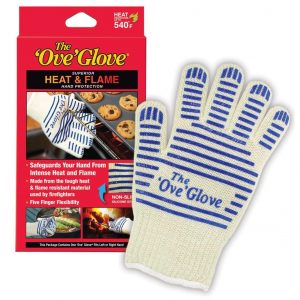
Protect your hands while cooking with the Ove Glove
Cleaning and Seasoning Techniques
Cleaning cast iron is simple. Use hot water and a brush. Avoid soap which can strip seasoning. For tough residue, boil water in the skillet to loosen it. After cleaning, dry thoroughly. Then, apply a thin layer of oil to prevent rust. This process keeps your skillet ready for the next use.
Skillet Maintenance Tips
Maintenance keeps your skillet performing well. Regularly check for any signs of rust. If you spot any, tackle it immediately. Store your skillet in a dry place. Stack with care if you have multiple pans. These small habits make a big difference in longevity.
Preventing Rust and Damage
Rust is the enemy of cast iron. Keep your skillet dry at all times. Avoid soaking it in water. If rust appears, scrub it off and reseason the pan. This proactive approach keeps your skillet in great shape. For tips on preventing rust, watch this video.
Cast Iron Cooking Techniques
Perfecting your cooking techniques enhances your meals. Learn how to use your skillet like a pro.
Mastering Heat Control
Heat control is crucial. Cast iron holds heat well, so use medium settings. Preheat your skillet before adding food. This ensures even cooking and great results. Practice makes perfect, and soon you’ll master this skill.
Using the Right Cooking Oils
Choosing the right oil matters. Use oils with high smoke points, like canola or vegetable oil. These oils withstand high temperatures without burning. They also help maintain your skillet’s seasoning. Experiment with different oils to find your favorite.
Perfecting Your Cast Iron Recipes
Recipes cooked in cast iron have unique flavors. Start with simple dishes, like cornbread or skillet chicken. As you grow confident, try more complex meals. Remember, every dish adds to your skillet’s seasoning. Enjoy the process and savor the results. For more guidance, visit this Facebook post.
Troubleshooting Common Issues
Encountering issues is part of the learning curve. Here’s how to solve common cast iron problems.
Handling and Storing Your Skillet
Proper handling prevents damage. Use both hands for heavy lifting. Avoid dropping your skillet, as it can crack. For storage, keep it dry and away from moisture. These practices keep your skillet ready for use.
Addressing Sticking and Burning
Sticking happens when seasoning is thin. To fix this, reseason your skillet. Burnt food is easy to remove with hot water and a brush. Don’t stress; these issues are easy to solve with practice.
Rescuing a Rusty Skillet
Rust isn’t the end of your skillet. Scrub it with steel wool and hot water. Dry thoroughly and reseason. With care, your skillet will be as good as new. For more tips, check out this Reddit discussion.


All major credit cards accepted
Free Shipping – Order – Track Order – Contact Us
Why Five-Finger Oven Gloves Give You Better Control
Why Five-Finger Oven Gloves Give You Better Control Most oven mitts force you to clench your hand like a claw, limiting your grip and control. That makes simple kitchen tasks harder and less safe than they should be. Five-finger oven gloves give each finger freedom to move, boosting grip and [...]
Best Oven Mitts for Baking: What Bakers Should Look For
Best Oven Mitts for Baking: What Bakers Should Look For Most oven mitts promise safety, but not all deliver the comfort and control bakers need. When you're handling hot trays and delicate pastries, the right baking oven mitt features make all the difference. In this post, you’ll learn what to [...]
Best Oven Gloves for Pizza Ovens and Pizza Stones
Best Oven Gloves for Pizza Ovens and Pizza Stones Handling a blazing hot pizza oven or stone without the right gear can turn your pizza night into a painful mess. The best oven gloves are more than just heat resistant; they offer the flexibility and grip you need to slide [...]
Best Oven Gloves for Handling Cast Iron Pans
Best Oven Gloves for Handling Cast Iron Pans Handling cast iron pans without the right oven gloves can turn your kitchen into a danger zone. Their intense heat retention and weight demand gloves that offer more than basic protection. In this post, you'll find out what makes the best oven [...]
Essential Tips for Preventing Steam Burns
Mastering Kitchen Safety: Essential Tips for Preventing Steam Burns Steam from your slow cooker can be more dangerous than you think. Many home cooks overlook how quickly built-up pressure can cause sudden steam release, leading to painful steam burns. In this post, you’ll learn essential slow cooker safety tips to [...]
Effective Strategies for Preventing Kitchen Injuries in Kids
Cook Safe: Effective Strategies for Preventing Kitchen Injuries in Kids Kids and kitchens don’t always mix well, especially when it comes to burns. Their natural curiosity and shorter height put them closer to hot surfaces and open flames, making kitchen burns prevention a must for every parent. You’ll find out [...]


