
Kitchen Safety Tips: Effective Burn Treatment Every Cook Should Know
Kitchen burns happen fast and can leave you unsure of what to do next. Knowing the right steps for burn first aid can prevent further damage and speed up healing. In this post, you’ll learn exactly how to cool a burn safely, assess its severity, and use common household items for effective kitchen burn treatment. Stay with us to handle burns confidently and keep your kitchen safe. For more information, visit this resource.

Order the Ove Glove today and get FREE shipping!
Immediate Burn First Aid Steps
Burns are a common kitchen mishap, but quick action can make a big difference. Knowing how to address a burn immediately helps reduce pain and encourages faster healing.
Cooling a Burn Effectively
The first step after getting a burn is to cool it under running water. This helps to stop further damage to the skin. Ideally, use cool water for at least 10 minutes. Avoid using ice or very cold water, as they can cause further injury to the skin. This simple action is the most effective first step for burn treatment.
Avoiding Common Mistakes
Many people make errors that can worsen burns. Avoid applying ice directly to the burned area. This can lead to frostbite and additional skin damage. Also, steer clear of using greasy substances like butter. These can trap heat in the skin, making the burn worse. Stick to simple cool water as your first aid option.
Assessing Burn Severity
Identifying the severity of a burn is crucial to managing it correctly. First-degree burns are minor and affect only the outer layer of skin. They usually result in redness and mild swelling. Second-degree burns go deeper and cause blisters. Third-degree burns are the most severe, causing damage through all layers of the skin. If you’re unsure about the severity, it’s wise to seek professional help.
Household Burn Care Essentials
Once you have managed the immediate response, it’s time to think about ongoing care. You might be surprised at how many useful items you already have at home.
Common Items for Burn Relief
You can use items like aloe vera gel for its soothing properties. Honey is another option that can help reduce pain and inflammation. These natural remedies provide relief and aid in healing. Always ensure that these items are clean to avoid infections.
What to Avoid on Burns
Stay away from popping blisters. This can lead to infections and complicate the healing process. Also, avoid applying ointments or creams that have not been recommended by a healthcare provider. These can interfere with the healing process. For more guidance, check out this advice.
When to Seek Medical Attention
Sometimes, home treatment isn’t enough. Knowing when to seek professional help is just as important.
Recognizing Severe Burns
Burns covering a large area of the body or affecting sensitive areas like the face or joints should receive medical attention. If a burn doesn’t improve in a few days, consult a doctor. Awareness of these signs can prevent complications.
Professional Treatment Options
For serious burns, professionals may use treatments like specialized dressings or skin grafts. These methods promote healing and minimize scarring. Don’t hesitate to visit a healthcare professional if you suspect a severe burn. For expert guidance, explore this source.
Kitchen Safety Tips and Tools
Preventing burns before they happen is the best strategy. Equip your kitchen with safety tools to protect yourself.
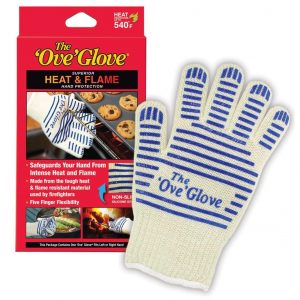
Protect your hands while cooking with the Ove Glove
Importance of Oven Gloves
Investing in quality oven gloves can save you from painful burns. These gloves protect your hands and forearms from hot surfaces and spills. They are a simple yet effective tool for safety in the kitchen.
Preventing Burns in the Kitchen
Keep your workspace organized to minimize risks. Use back burners when cooking with children around. Turn pot handles inward to prevent accidental spills. These small habits can significantly reduce the chances of burns. For additional tips, visit this article.
Educating and Empowering Cooks
Knowledge is power, especially when it comes to kitchen safety. Educating yourself and others can prevent many accidents.
Importance of Being Prepared
Always have a first aid kit accessible in your kitchen. Knowing where it is and how to use it can make a difference in an emergency. Being prepared builds confidence and ensures a safer cooking environment.
Promoting Kitchen Safety Awareness
Share what you learn with family and friends. By promoting awareness, you contribute to a safer community. Encourage others to adopt safe cooking habits. For more insights, read this blog.
By understanding these steps and tools, you’re not just protecting yourself but also those around you. Taking action today can prevent painful and costly incidents tomorrow. Stay informed and keep your kitchen a safe place.


All major credit cards accepted
Free Shipping – Order – Track Order – Contact Us
How to Prevent Burns When Taking Food Out of the Oven
How to Prevent Burns When Taking Food Out of the Oven Burns in the kitchen happen more often than you think, especially when handling hot dishes straight from the oven. If you’ve ever flinched from a sudden steam burst or struggled with slippery mitts, you’re not alone. This post shares [...]
Can Oven Mitts Get Wet? Why Moisture Makes Heat Protection Worse
Can Oven Mitts Get Wet? Why Moisture Makes Heat Protection Worse Using wet oven mitts is more dangerous than most people realize. Moisture can sneak into the fabric and cut down its heat protection, putting your hands at risk. If you care about kitchen safety, understanding the moisture impact on [...]
Best Oven Gloves for Air Fryers
Best Oven Gloves for Air Fryers Handling hot air fryer baskets without the right gloves can turn meal prep into a risky task. Many oven gloves fall short when it comes to heat resistance, grip, or flexibility, making it harder to cook safely and comfortably. This guide highlights the best [...]
Best Oven Mitts for People With Small Hands and Large Hands
Best Oven Mitts for People With Small Hands and Large Hands Most oven mitts come in one size fits all, but that often means they fit no one well. If you have small hands, bulky mitts can feel clumsy and unsafe. Large hands? You might struggle to get a proper [...]
Are Oven Mitts or Gloves Better for Grip?
Are Oven Mitts or Gloves Better for Grip? Grabbing hot cookware without a solid grip can turn your kitchen into a danger zone. Oven mitts and gloves both promise protection, but which one really holds tight when it matters most? Let’s break down how texture, flexibility, and coverage affect oven [...]
Oven Mitt vs Oven Glove: What’s the Difference?
Oven Mitt vs Oven Glove: What's the Difference? Most home cooks treat oven mitts and oven gloves like the same thing. The truth is, each offers different levels of heat resistance, coverage, and control. Knowing these differences can keep you safer and more comfortable in the kitchen. Let’s break down [...]


