
Homemade Honey Variations: Elevate Your Cooking with Personalized Hot Honey
Most store-bought hot honey blends miss the mark when you want just the right kick. You’re left guessing how much heat suits your taste, or stuck with flavors that don’t quite fit your dishes. This hot honey recipe lets you control the spice level and tailor it to your meals, from drizzling over pizza to spicing up roasted veggies. Plus, you’ll learn simple storage tips to keep your homemade honey fresh and ready whenever you need it. Check out this link for more inspiration.
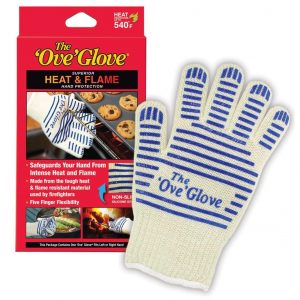
Never burn your hands again while cooking!

Create Your Own Hot Honey
Making your own hot honey isn’t just about getting the perfect flavor—it’s about crafting something that truly fits your taste and cooking style. Let’s dive into this creative process!
Simple Hot Honey Recipe
Imagine the ease of having a hot honey recipe at your fingertips. You need just two ingredients: honey and chili peppers.
-
Warm one cup of honey in a saucepan.
-
Add two tablespoons of chopped chili peppers—fresh or dried.
-
Let it simmer gently for about 10 minutes.
After cooling, strain out the peppers. You now have a delicious homemade hot honey! For more detailed guidance, visit Gimme Some Oven.
Customize Heat Levels
Do you like it mild or fiery? The choice is yours! Adjust the heat by changing the type and amount of peppers. Jalapeños for mild, habaneros for a stronger kick. Your homemade version can be as unique as your taste buds.
-
Mild: Use one tablespoon of jalapeños.
-
Medium: Try two tablespoons of serranos.
-
Hot: Go for three tablespoons of habaneros.
Each pepper brings its own flavor, so experiment until you find your perfect balance. Most people think hot honey needs to be scorching, but a gentle warmth can be just as satisfying.
Hot Honey Storage Tips
Proper storage is key to keeping your creation fresh. Once cooled, transfer your hot honey into a sterilized glass jar. Keep it in a cool, dark place, like a pantry.
-
Use within three months for the best flavor.
-
Refrigeration isn’t necessary, but ensures a longer shelf life.
These simple tips will help maintain the quality of your homemade honey. Learn more about storage methods at Craving Something Healthy.
Delicious Uses for Hot Honey
Now that you have your hot honey, it’s time to explore how it can transform your meals. From pizza to veggies, the possibilities are endless!
Drizzling on Pizza and Chicken
Imagine biting into a slice of pizza with a sweet, spicy drizzle of honey. Or how about grilled chicken with that same fiery finish?
-
Pizza: Add honey after baking to maintain its flavor.
-
Chicken: Brush it on while grilling for a caramelized crust.
These simple touches elevate ordinary dishes into extraordinary experiences. Most people overlook this, but it’s a game-changer for taste and texture.
Sweet Kick for Roasted Veggies
Add excitement to your veggies with a splash of hot honey. This unexpected pairing brings out natural sweetness and adds a bold layer of flavor.
Toss your roasted carrots or Brussels sprouts with honey just before serving. You’ll find a newfound love for these side dishes.
Exploring Homemade Honey Variations
With your base recipe mastered, it’s time to get creative with homemade honey variations. The sky’s the limit!
From Mild to Spicy Honey
Everyone’s spice tolerance is different. Create a spicy honey by experimenting with different peppers and spices. Consider adding:
-
Smoked paprika for depth.
-
A pinch of cayenne for extra heat.
-
A dash of garlic powder for complexity.
Trying new combinations lets you tailor each batch to your mood or meal.
Finding Your Perfect Flavor
The journey to finding your ideal flavor involves a bit of trial and error, but it’s well worth it. Take notes on what you like or don’t.
Join online communities like this Facebook group to share your creations and get inspired by others. Most people find their sweet spot through experimentation, so don’t be afraid to try new things.
In the end, your hot honey is more than a condiment—it’s a reflection of your culinary creativity. Enjoy the process and the delicious results!
Never burn your hands again while cooking!
Ove Glove vs Silicone Oven Mitt: Which Is Better?
Ove Glove vs Silicone Oven Mitt: Which Is Better? Most people reach for a silicone oven mitt without thinking twice, but the Ove Glove offers a completely different kind of protection. Choosing the right oven protection can make your time in the kitchen safer and more comfortable, whether you’re baking [...]
Best Heat Resistant Gloves for Cooking and Baking
Best Heat Resistant Gloves for Cooking and Baking Handling hot pans and baking trays without the right protection can turn every cooking session into a risky task. Choosing the right heat resistant gloves makes all the difference between safe handling and painful burns. This guide breaks down the key features [...]
Best Oven Gloves for Dutch Ovens and Heavy Cookware
Best Oven Gloves for Dutch Ovens and Heavy Cookware Handling hot Dutch ovens and heavy cookware is tougher than most kitchen tasks. Using the wrong oven gloves can lead to burns or dropped pots, turning cooking into a risk. This guide breaks down the best oven gloves for Dutch oven [...]
Best Oven Gloves for Handling Hot Baking Sheets
Best Oven Gloves for Handling Hot Baking Sheets Handling hot baking sheets without the right protection can quickly turn from a simple task into a painful mistake. You need oven gloves that combine strong heat resistance with a secure grip and flexible fit to keep your hands safe and steady. [...]
10 Things to Look for When Buying Heat Resistant Cooking Gloves
10 Things to Look for When Buying Heat Resistant Cooking Gloves Most cooking gloves claim to protect you from heat, but many fall short when it matters most. Choosing the right pair can save your hands from burns and make handling hot pots safer. This buying guide for cooking gloves [...]
How to Choose the Best Heat Resistant Oven Gloves
How to Choose the Best Heat Resistant Oven Gloves Burning your hands while cooking is more common than you think. Many oven gloves fail to protect when it matters most, leaving you at risk. This guide breaks down the key oven glove features you need to watch for, so you [...]


