Elevate Your Outdoor Cooking Game with Essential Camping Gear
There’s nothing quite like the aroma of sizzling food wafting through the crisp, fresh air of the great outdoors. For campers and outdoor cooking enthusiasts, mastering the art of cooking over a campfire or with a trusty portable grill is both a passion and a craft. Whether you’re whipping up hearty Dutch oven recipes or just enjoying the simplicity of campfire cooking, having the right outdoor cooking gear can make all the difference. In this post, we’ll explore camping essentials that promise to make your culinary adventures in nature both enjoyable and memorable. So, gather ’round as we delve into the world of cooking outdoors and uncover the secrets to a successful outdoor feast. For more insights on essential cooking equipment, check out this guide.## Campfire Cooking Basics
Cooking over a campfire is a quintessential outdoor experience. Understanding the fundamentals of campfire cooking can transform your outdoor meals from simple to spectacular. This section covers essential tips to get you started, from building your fire to managing heat effectively.

Building the Perfect Campfire
Building a campfire is about more than just striking a match. To create the perfect campfire, begin by choosing a safe and sheltered location, preferably in a designated fire ring if available.
-
Gather materials: You’ll need tinder (dry leaves, grass), kindling (small twigs), and fuelwood (larger logs).
-
Construct a base: Place tinder in the center, followed by kindling arranged in a teepee shape.
-
Ignite the tinder: Use matches or a lighter to start the fire, allowing it to gradually catch the kindling.
-
Add fuelwood: Once the kindling is burning steadily, add larger logs to maintain the fire.
Ensure safety by keeping water or sand nearby to extinguish the flames if necessary. For precision, consider using tools that enhance your cooking setup, as discussed here.
Essential Campfire Tools
Campfire tools are crucial for effective and safe cooking. Key items include:
-
Long-handled grill forks for roasting.
-
Campfire grates for placing pots and pans over the fire.
-
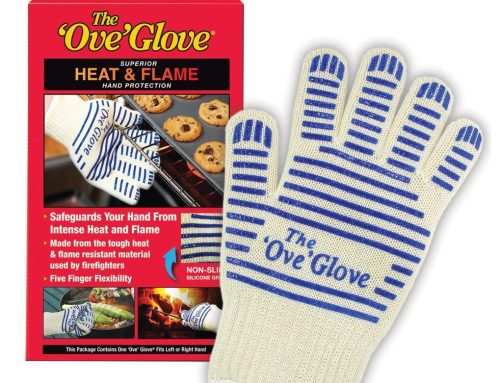
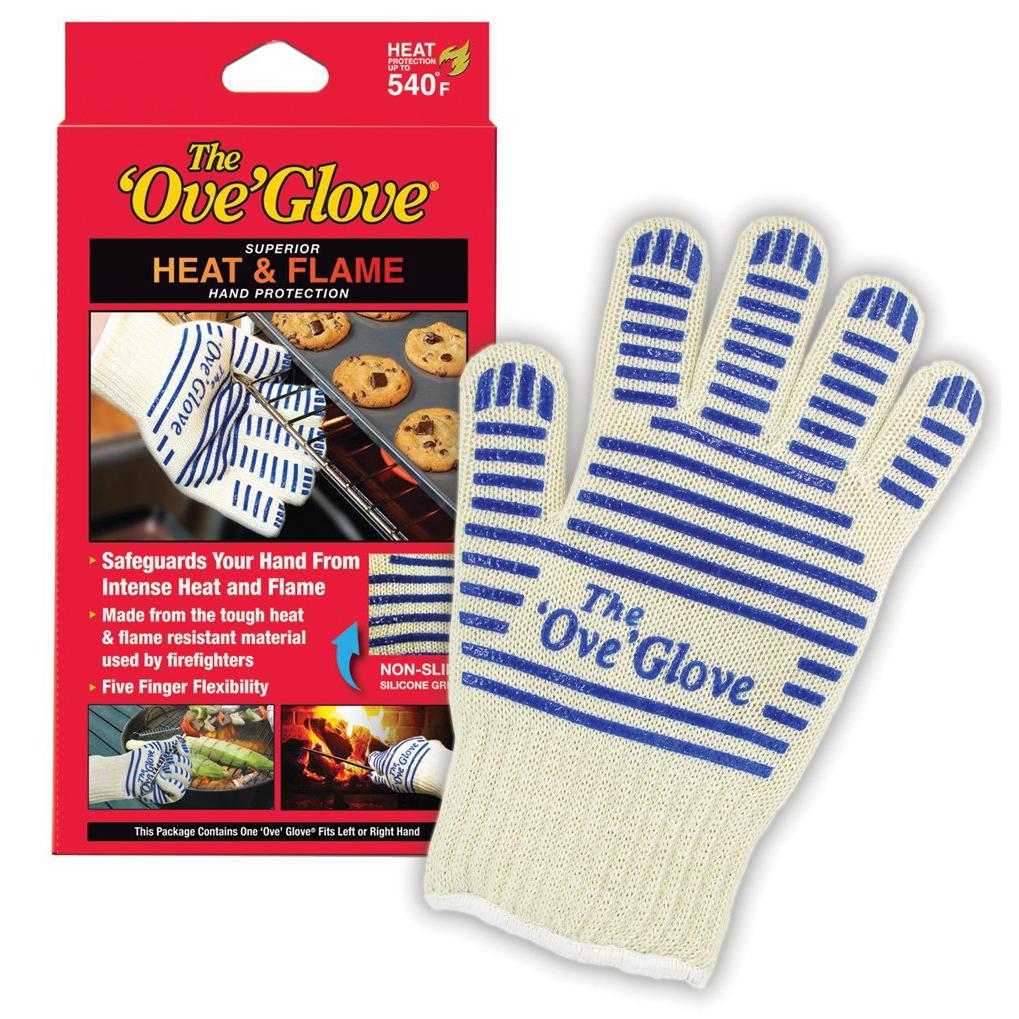
Fireproof gloves like the Ove Glove for handling hot items with precision.
For avid campers, the right tools make all the difference. Discover versatile options and why they are essential here.
Managing Heat and Flame
Effective heat management is crucial for campfire cooking. Control the fire’s intensity by adjusting the size and placement of logs.
-
Move embers for a consistent cooking surface.
-
Raise or lower the pot above the flames to regulate heat.
-
Use aluminum foil to protect food from direct flames.
Precise heat management techniques ensure your meals are cooked to perfection, as detailed in this guide.
Mastering the Dutch Oven
The Dutch oven is a versatile tool in outdoor cooking, known for its ability to create hearty meals. This section explores its key recipes, maintenance tips, and safety measures for optimal use.
Key Dutch Oven Recipes
Dutch oven recipes can elevate your campfire meals. Popular options include:
-
Chili: A warming dish perfect for cooler nights.
-
Bread: Freshly baked with a crispy crust.
-
Casseroles: One-pot meals that are easy to prepare.
Each recipe leverages the Dutch oven’s ability to distribute heat evenly, creating rich flavors and textures.
Maintenance and Cleaning Tips
Proper maintenance of your Dutch oven ensures its longevity. Follow these steps:
-
Clean immediately after use with warm water.
-
Avoid soap as it can strip seasoning.
-
Dry thoroughly to prevent rust.
-
Apply a thin layer of oil for protection.
Regular care maintains the oven’s performance and flavor enhancement capabilities.
Dutch Oven Safety
Safety is paramount when using a Dutch oven. Key practices include:
-
Using heat-resistant gloves like the Ove Glove for safe handling.
-
Avoiding direct contact with flames when checking food.
-
Ensuring stability by placing the oven on a level surface.
For more safety tips, consider this resource.
Portable Grill Essentials
Portable grills offer flexibility and convenience in outdoor cooking. This section covers model recommendations, setup tips, and beginner techniques to optimize your grilling experience.
Top Portable Grill Models
Choosing the right grill depends on your needs. Popular models include:
|
Model |
Features |
Price Range |
|---|---|---|
|
Weber Q1200 |
Compact, built-in lid thermometer |
$200 – $250 |
|
Coleman RoadTrip |
Foldable stand, dual burners |
$150 – $200 |
|
Cuisinart CGG-180T |
Lightweight, tabletop design |
$100 – $150 |
These options cater to various preferences, ensuring a suitable choice for every outdoor cook.
Grill Setup and Maintenance
Setting up a portable grill involves several steps:
-
Select a stable surface away from flammable materials.
-
Assemble the grill according to the user manual.
-
Inspect for leaks if using gas.
-
Preheat the grill before adding food.
Regular maintenance includes cleaning the grates and checking fuel levels to ensure the grill remains in optimal condition.
Grilling Techniques for Beginners
Beginner grilling techniques focus on simplicity and safety. Key tips include:
-
Pre-marinate proteins for enhanced flavor.
-
Use a meat thermometer to ensure proper cooking.
-
Avoid pressing down on meats to retain juices.
These techniques provide a solid foundation for developing your grilling skills. Explore further guidance here.
Must-Have Outdoor Cooking Gear
Equipping yourself with the right gear can transform your cooking experience. This section highlights essential items, multifunctional tools, and durable options to consider.
Top Camping Essentials
Camping essentials for cooking include:
-
Portable stoves: Ideal for quick meals.
-
Cooking utensils: Lightweight and easy to pack.
-
Coolers: Keep perishables fresh.
Explore a detailed list of must-have items here.
Multi-functional Cooking Tools
Multi-functional tools save space and weight. Examples include:
-
Sporks: Combination of spoon and fork.
-
Swiss Army knives: Include multiple tools in one device.
-
Collapsible cookware: Packs flat for easy storage.
Such tools offer convenience without compromising functionality.
Lightweight and Durable Options
Durability paired with lightness is key for outdoor gear. Consider materials like titanium or aluminum for:
-
Pots and pans that are lightweight yet robust.
-
Dinnerware that withstands rough handling.
Choosing the right materials ensures your gear lasts through many adventures.
Planning Your Outdoor Cooking Adventure
Proper planning can make your outdoor cooking adventure a success. This section provides tips on menu planning, smart packing, and safety practices to enhance your experience.
Menu Planning Tips
Effective menu planning involves:
-
Considering the duration of your trip.
-
Choosing non-perishable ingredients for longer trips.
-
Incorporating easy-to-cook dishes like pasta or rice.
A well-thought-out menu ensures you have delicious meals without excess weight.
Packing Smart for Cooking Outdoors
Packing for outdoor cooking demands organization. Key strategies include:
-
Using labeled containers for ingredients.
-
Packing versatile utensils for multiple uses.
-
Organizing by meal for easy access.
These practices streamline your cooking process in the great outdoors.
Safety Precautions and Best Practices
Safety in outdoor cooking involves:
-
Keeping a first-aid kit handy.
-
Ensuring proper food storage to avoid wildlife attraction.
-
Having a fire extinguisher nearby when using grills or campfires.
Emphasizing safety lets you focus on enjoying your culinary adventure with confidence, as reinforced here.
Can You Use Oven Mitts on a Grill?
Can You Use Oven Mitts on a Grill? Grilling at high heat demands gear that keeps your hands safe from sudden flare-ups and scorching racks. Many wonder if their trusty oven mitts can handle the heat outdoors or if specialized grilling gloves are a must. This post breaks down what [...]
What Are the Best Oven Mitts for Cast Iron Pans?
What Are the Best Oven Mitts for Cast Iron Pans? Heavy cast iron pans demand more than just any oven mitt. If you’ve ever wrestled with thick, scorching cookware, you know how a poor grip or weak heat protection can ruin your cooking flow. This guide breaks down the best [...]
Do Oven Mitts Protect Against Steam?
Do Oven Mitts Protect Against Steam? Steam burns happen faster than you think, and not every oven mitt can stop them. If you rely on regular cotton mitts, your hands might still face serious heat and moisture damage. This post breaks down which oven mitts protect against steam and shares [...]
What Is the Best Material for Oven Mitts?
What Is the Best Material for Oven Mitts? Picking the right oven mitt can feel tougher than nailing a perfect souffle. With so many oven mitt materials out there, how do you know which one keeps your hands safe without slowing you down? Let’s break down the heat resistant mitts [...]
The Complete Guide to Oven Mitts and Heat Resistant Gloves
The Complete Guide to Oven Mitts and Heat Resistant Gloves Burning your hands while cooking is more common than you think, and the wrong oven mitts only make it worse. You want hand protection that feels comfortable but actually keeps heat at bay, whether you're baking, grilling, or frying. This [...]
Best Oven Mitts for Baking
Best Oven Mitts for Baking Most oven mitts promise protection, but many fail when heat spikes in the kitchen. You need gear that stays cool, grips tight, and feels good on your hands. This guide on the best oven mitts for baking breaks down top rated options with real user [...]