
The Hidden Dangers of Steam Burns: Essential Cooking Safety Tips for Home Chefs
Steam burns happen faster and hurt worse than dry heat burns, yet many home chefs underestimate the danger lurking around boiling cookware. When you lift a lid or handle a pot, trapped steam escapes with surprising force and heat, catching hands off guard. Knowing the difference between steam burns and dry heat burns is key to safer cooking and proper burn treatment. Here’s what every cook needs to know about steam injury risks and how an oven glove can protect your hands. For more on cooking safety, visit this link.

Get FREE shipping on the Ove Glove today!
Understanding Steam Burns
Steam burns are a silent threat in the kitchen. They can happen in an instant, leaving severe injuries. Let’s understand how they differ from other burns and what makes them so risky.
Difference Between Dry Heat and Steam Burns
Dry heat burns come from direct contact with hot surfaces, like a stove or a pan. Steam burns, on the other hand, result from hot vapor. The key difference lies in moisture content: steam penetrates deeper, causing more severe burns. This is because steam carries more heat energy and transfers it rapidly to your skin. Many cooks assume dry heat is the primary danger, but steam can be more damaging.
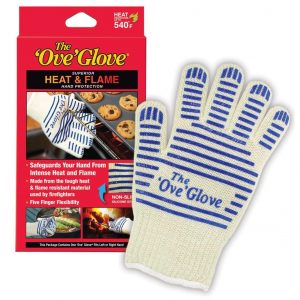
Protect your hands while cooking with the Ove Glove
Common Causes of Steam Burns
Steam burns often occur when lifting lids or draining boiling water. Even a small crack in the lid can release steam with enough force to burn. Another common cause is steaming food. Anyone using a pressure cooker should be extra cautious. Always release pressure slowly to avoid sudden steam bursts. Remember, steam can linger even after you turn off the heat.
Steam Injury Risks in the Kitchen
In a bustling kitchen, risks increase. Distractions can lead to mishandling cookware, resulting in steam exposure. Trapped steam under lids or in pots is a hidden hazard. Many kitchen injuries are preventable if you stay alert and cautious. Cooking safety requires awareness of potential steam injuries. To learn more about staying safe while cooking, visit Cooking Safety Info.
Safety Around Boiling Cookware
Protecting yourself from steam burns involves careful practices. Boiling cookware can be an accident waiting to happen, but you can stay safe with the right habits.
Handling Lids Safely
Lifting lids seems simple, yet it’s where most steam burns occur. To stay safe, always tilt lids away from you. This directs steam away from your hands and face. Wait a moment before removing lids completely to let steam escape. Use a towel or oven glove to protect your hands when handling hot lids. These small steps can prevent painful injuries.
Importance of Oven Gloves
Oven gloves provide essential protection against steam burns. Unlike regular cloth, they offer a barrier against heat and moisture. Choose gloves that cover wrists for added protection. They also help when handling pots and pans, giving you a secure grip. Investing in a quality pair is a smart move for any home chef. Discover more about preventing kitchen injuries here.
Preventing Kitchen Injuries
Preventing injuries requires a proactive approach. Stay focused and minimize distractions while cooking. Keep a clean workspace and remove hazards from your path. Regularly check for steam leaks in cookware. Educate others in your home about safe practices. Prevention is the best strategy to avoid kitchen injuries.
Effective Burn Treatment
Despite precautions, burns can still occur. Knowing how to treat them effectively minimizes pain and promotes healing.
First Aid for Steam Burns
Immediate action is crucial when treating steam burns. First, cool the burn under running water for at least 10 minutes. Avoid ice, as it can damage skin further. Remove tight clothing or jewelry near the burn area. Cover the burn with a clean, non-fluffy cloth. Hydrogels or burn ointments can help relieve pain. Remember, fast action can reduce damage.
Long-term Care and Recovery
Long-term care focuses on reducing scarring and infection. Keep the burn clean and dry. Moisturize regularly with a gentle, fragrance-free lotion. Protect the affected area from sun exposure. Healing takes time, so be patient. Proper care speeds up recovery and minimizes long-term effects.
When to Seek Medical Help
Not all burns can be treated at home. Seek medical help if the burn is larger than your palm or if blisters form. If the burn is on the face, hands, or a joint, see a doctor. Signs of infection, such as increased redness or pus, also require professional attention. Don’t hesitate to contact a healthcare provider if you’re unsure of the burn’s severity. Learn more about when to seek medical attention.
Essential Cooking Safety Tips
Safety in the kitchen is a shared responsibility. Here are tips to help you stay safe while cooking.
Safe Cooking Practices
Practicing safe cooking habits reduces the risk of injuries. Use timers to avoid overcooking and distractions. Keep pot handles turned inward to prevent accidental knocks. Always have a fire extinguisher nearby. By adopting these practices, you create a safer cooking environment.
Maintaining a Safe Kitchen Environment
A safe kitchen is organized and clutter-free. Clean spills immediately to prevent slips. Store sharp objects and flammable materials properly. Ensure good lighting so you can see what you’re doing. A well-maintained kitchen prevents accidents before they happen. To explore more about maintaining safety, visit this safety guide.
Educating Family and Friends
Sharing safety tips with family and friends is essential. Teach others about the risks of steam burns and how to prevent them. Encourage safe cooking habits and lead by example. When everyone is informed, the kitchen becomes a safer place for all.
Empowerment Through Knowledge
Knowledge is power, especially in the kitchen. By understanding risks, you can cook with confidence and peace of mind.
Boosting Confidence in the Kitchen
Confidence in the kitchen comes from knowing you’re prepared. With the right techniques, you can tackle any recipe safely. Remember, a confident cook is a safe cook. Your newfound knowledge empowers you to take on new challenges.
Encouraging Safe Cooking Habits
Safe habits are second nature to seasoned cooks. They don’t rush, and they respect the power of heat. By always practicing safety, you set a good example and inspire others to do the same.
Supporting Your Culinary Journey
Your journey as a home chef is ongoing. Each meal is an opportunity to learn and grow. Embrace the challenges and continue to prioritize safety. As you gain experience, you’ll find joy and satisfaction in cooking safely for yourself and others.
By understanding steam burns and adopting safe cooking practices, you protect yourself and those around you. Keep these tips in mind, and remember the importance of safety in the kitchen.


All major credit cards accepted
Free Shipping – Order – Track Order – Contact Us
How to Handle a Cast Iron Skillet Safely When It’s Hot
How to Handle a Cast Iron Skillet Safely When It's Hot Handling a hot cast iron skillet can feel like walking a tightrope without a safety net. One wrong move, and you risk burns or spills that ruin your cooking flow. This guide will share practical cooking safety tips and [...]
How to Safely Remove a Hot Baking Dish From the Oven
How to Safely Remove a Hot Baking Dish From the Oven Burns from hot baking dishes happen more often than you might think, and a split second of carelessness can ruin your day. You want to enjoy your delicious meals without risking painful accidents or messy spills. Learning how to [...]
Can You Use Oven Mitts on a Grill?
Can You Use Oven Mitts on a Grill? Grilling at high heat demands gear that keeps your hands safe from sudden flare-ups and scorching racks. Many wonder if their trusty oven mitts can handle the heat outdoors or if specialized grilling gloves are a must. This post breaks down what [...]
What Are the Best Oven Mitts for Cast Iron Pans?
What Are the Best Oven Mitts for Cast Iron Pans? Heavy cast iron pans demand more than just any oven mitt. If you’ve ever wrestled with thick, scorching cookware, you know how a poor grip or weak heat protection can ruin your cooking flow. This guide breaks down the best [...]
Do Oven Mitts Protect Against Steam?
Do Oven Mitts Protect Against Steam? Steam burns happen faster than you think, and not every oven mitt can stop them. If you rely on regular cotton mitts, your hands might still face serious heat and moisture damage. This post breaks down which oven mitts protect against steam and shares [...]
What Is the Best Material for Oven Mitts?
What Is the Best Material for Oven Mitts? Picking the right oven mitt can feel tougher than nailing a perfect souffle. With so many oven mitt materials out there, how do you know which one keeps your hands safe without slowing you down? Let’s break down the heat resistant mitts [...]


