
Protect Your Home: Essential Kitchen Safety Tips for Preventing Burns
Most home cooks focus on stovetops and ovens when thinking about kitchen safety, but there’s a hidden danger many miss: hot cabinet doors. These surfaces can heat up enough to cause painful burns without warning. By spotting how heat travels and placing your oven glove and tools wisely, you can cut down this common burn risk in kitchens. Let’s look at simple home kitchen tips that keep your cooking space safer. For more insights, you can visit this resource.

Get FREE shipping on the Ove Glove today!
Understanding Kitchen Burn Risks
Recognizing the dangers in your cooking space is the first step to safety. Let’s explore common risks and often unnoticed threats lurking in your kitchen.
Common Cooking Hazards
Cooking involves heat, flames, and sharp tools. It’s easy to get caught in the moment and overlook these hazards. Most incidents happen when you’re distracted, so staying focused is key. For instance, unattended frying pans can quickly cause fires. Always keep a timer nearby to remind you about what’s on the stove. Also, make sure pot handles aren’t sticking out to avoid accidental spills.
Burns can also occur during routine tasks. Steam from boiling water is a common culprit. Keep your face and hands at a safe distance when opening lids. Hot oil splatters are another danger you might not anticipate. You can use a splatter guard to reduce the risk.
Hidden Dangers in Your Kitchen
You might think the obvious risks are all you need to worry about, but there are less apparent ones too. One such danger is the heat transfer from your stovetop to nearby surfaces. Open flames aren’t the only source of burns. A hot stovetop can heat up the surrounding area, like cabinet doors.
Did you know that setting towels or oven gloves too close to the heat source can also end in disaster? Ensure these items are stored away from heat. Even countertops can pose risks if they’re cluttered. Clutter can cause you to rush, increasing the chance of mishaps. Learn more about kitchen fire safety.
The Problem with Hot Cabinet Doors
Awareness is crucial when addressing unexpected kitchen dangers. Let’s see why hot cabinet doors can be more than just a minor inconvenience.
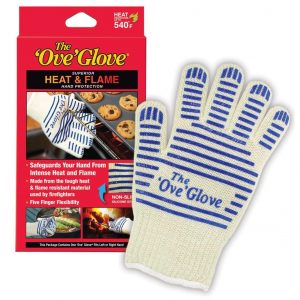
Protect your hands while cooking with the Ove Glove
Causes of Overheating
You might wonder why your cabinet doors feel warm after cooking. It’s not just the heat from your oven or stovetop. Heat can radiate and transfer to nearby surfaces. Even if your oven is closed, the surrounding air can heat up, causing nearby surfaces to warm significantly.
Appliance placement can also contribute to this issue. If your oven or stovetop is too close to your cabinets, it increases the risk. Proper ventilation is essential. Ensure your kitchen has adequate airflow to disperse heat effectively.
Identifying Burn Risk in Kitchens
Noticing potential hazards in your kitchen is vital. Hot cabinet doors are just one example. To identify other risks, feel around your kitchen surfaces after cooking. If they’re too warm, you may need to adjust your setup. Check your kitchen layout. Make sure your oven isn’t directly next to wooden surfaces.
Consider using a thermometer to measure how warm surfaces get during cooking. This step helps you understand which areas require your attention. If certain spots consistently stay warm, they might need more insulation or a change in situation. For more tips on handling kitchen burns, visit this link.
Practical Tips for Kitchen Safety
Now that you know what to look for, let’s discuss how to make your kitchen safer. Simple changes can prevent accidents and keep you injury-free.
Strategic Tool Placement
Where you place your tools matters. Keep essential items within easy reach but away from heat sources. Store oven gloves and utensils in a location that avoids direct exposure to the stove or oven. Use hooks or magnetic strips to organize tools and free up counter space.
Some people find it helpful to keep separate zones for prep, cooking, and cleaning. This arrangement minimizes movement and lowers the risk of accidents. Organize your kitchen so that everything has a designated place.
Importance of Cooking Awareness
Staying aware while cooking is crucial. Many injuries happen because of distractions. Make it a habit to focus solely on cooking when in the kitchen. Turn off the TV and if you’re using your phone, make it strictly for recipes.
Being aware also means knowing when to call in help. If you’re experimenting with a new recipe or cooking for many people, don’t hesitate to ask for an extra pair of hands. More eyes in the kitchen can prevent oversight and make the process smoother.
Tools for Preventing Burns
The right tools can make all the difference in keeping you safe. Let’s look at what you need for maximum protection.
Choosing the Right Oven Glove
An oven glove is an essential tool. Not all gloves are created equal; some offer better protection than others. Look for gloves that cover your wrists and have high heat resistance. Silicone gloves are popular because they provide a solid grip and withstand high temperatures.
Check the fit. An oven glove that’s too loose or tight can be challenging to use. Consider investing in a pair that has a good balance between flexibility and protection. Regularly inspect your gloves for wear and tear. Replace them if they show signs of damage. Check out some practical safety tips here.
Must-have Home Kitchen Tips
Some simple tips can greatly enhance your kitchen safety. Always keep a fire extinguisher nearby and know how to use it. Clean up spills immediately to prevent slips. Set a routine to check for loose wires or faulty appliances.
Educate yourself on first aid basics. Knowing how to treat burns promptly can reduce the severity of an injury. Keep a well-stocked first aid kit within easy reach. These small steps can make a significant difference in your kitchen safety.
Creating a Safer Culinary Environment
You’ve learned about risks and tools. Now it’s time to foster safety as a lifestyle. Let’s focus on building habits and spreading awareness.
Developing Safe Cooking Habits
Safety should be a habit, not a chore. Start by always double-checking your kitchen before you leave it. Ensure all appliances are off and nothing flammable is near heat sources.
Practice mindfulness in the kitchen. Being present can lower the chances of accidents. Also, schedule regular kitchen maintenance checks. It keeps everything running smoothly and safely.
Educating Family on Kitchen Safety
Teaching your family about kitchen safety is just as important. Hold a “kitchen safety meeting” to demonstrate common hazards and proper practices. Encourage kids to participate under supervision to learn the basics.
Make safety routines a family affair. Assign tasks like checking that appliances are off to different family members. This practice builds responsibility and keeps everyone engaged in maintaining a safe kitchen environment. For more information, you can explore this fire safety resource.
By staying informed and proactive, you can create a safer kitchen. Remember, awareness and the right tools are your best allies in preventing accidents.


All major credit cards accepted
Free Shipping – Order – Track Order – Contact Us
Best Oven Gloves for Handling Hot Baking Sheets
Best Oven Gloves for Handling Hot Baking Sheets Handling hot baking sheets without the right protection can quickly turn from a simple task into a painful mistake. You need oven gloves that combine strong heat resistance with a secure grip and flexible fit to keep your hands safe and steady. [...]
10 Things to Look for When Buying Heat Resistant Cooking Gloves
10 Things to Look for When Buying Heat Resistant Cooking Gloves Most cooking gloves claim to protect you from heat, but many fall short when it matters most. Choosing the right pair can save your hands from burns and make handling hot pots safer. This buying guide for cooking gloves [...]
How to Choose the Best Heat Resistant Oven Gloves
How to Choose the Best Heat Resistant Oven Gloves Burning your hands while cooking is more common than you think. Many oven gloves fail to protect when it matters most, leaving you at risk. This guide breaks down the key oven glove features you need to watch for, so you [...]
What Makes an Oven Glove Heat Resistant? Materials Explained
What Makes an Oven Glove Heat Resistant? Materials Explained Most oven gloves look similar, but their ability to protect your hands from heat varies widely. Choosing the right heat resistant oven gloves means understanding what goes inside them—the materials and design that keep burns at bay. This post breaks down [...]
Can You Use Oven Gloves on a Grill?
Can You Use Oven Gloves on a Grill? Using oven gloves on a grill might seem like a simple choice, but not all gloves are made to handle open flames and intense heat. Many home cooks assume their kitchen gloves offer enough protection, only to find out the hard way [...]
Can You Use an Oven Glove for a Cast Iron Skillet?
Can You Use an Oven Glove for a Cast Iron Skillet? Cast iron skillets can be a challenge when it comes to handling heat safely. Many cooks wonder if ordinary oven gloves provide enough protection against the intense temperatures these pans reach. This post breaks down how oven gloves perform [...]


