
From Burn Risks to Cooking Bliss: Essential Safety Tips for Home Chefs
Touching a metal handle heated to 400°F for just one second can cause a sudden, painful burn that leaves a mark far longer than the moment itself. Many home cooks underestimate how quickly these burns happen and how severe they can be. This guide will break down why metal handle burns occur so fast, why oven mitts and heat resistant materials are critical, and how simple steps in burn prevention can keep your kitchen safe without slowing your cooking down. [https://www.ovenglove.net/making-the-best-choice-for-your-cooking-gloves/]

Get FREE shipping on the Ove Glove today!
Understanding Burn Risks
When cooking, it’s easy to overlook how fast a burn can occur. Understanding the risks helps you stay cautious while enjoying your kitchen adventures.
Immediate Effects of Metal Handle Burns
Touching a hot metal handle can cause a burn instantly. The intense heat causes the skin to react quickly, leading to pain and redness. This happens because metal conducts heat efficiently, transferring it to your skin almost immediately. If you don’t react swiftly, the burn can deepen, causing more severe damage. It’s crucial to always be aware of where handles are and how hot they might be.
Severity and Types of Burns
Burns vary in severity. A brief touch might lead to a minor burn, causing redness and pain that heals with basic care. However, if your skin contacts the handle for longer, you might experience a second-degree burn. This type results in blisters and more intense pain, possibly requiring medical attention. Third-degree burns, although rarer in the kitchen, can occur if exposure is prolonged, damaging deeper layers of skin. Knowing these distinctions helps you respond appropriately.
Temperature Escalation in Cooking
As your cooking progresses, temperatures rise. A handle that was safe to touch at the start may become dangerously hot. This escalation happens as both the heat from the stove and the oven increase, transferring to any metal parts. Always assume handles are hot and use protective gear. Regularly check temperatures with a thermometer to understand how hot your cooking surfaces are getting, ensuring you stay one step ahead of potential burns.
Essential Cooking Safety Tips
Creating a safe kitchen environment requires a few key practices. The right tools and habits make all the difference in preventing burns and promoting a smooth cooking experience.
Importance of Oven Mitts
Oven mitts are your first line of defense against burns. They shield your hands from intense heat, allowing you to handle hot items safely. Mitts made from thick, quality materials are best, as they offer superior protection. When choosing mitts, look for those that cover the wrist and forearm, providing extra safety. Remember, worn-out mitts might not protect you well, so replace them regularly.
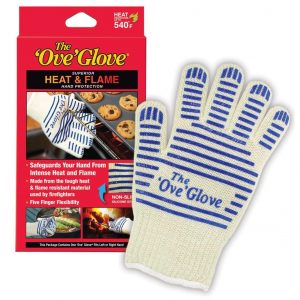
Protect your hands while cooking with the Ove Glove
Using Ove Glove and Oven Glove
The Ove Glove and Oven Glove are popular choices for home cooks. Both are designed to withstand high temperatures, keeping your hands safe. These gloves are made with heat-resistant materials that offer flexibility and grip. Discover the benefits of these gloves here. Their design allows you to handle hot pots and pans with confidence, reducing the risk of accidents. Investing in a pair can significantly enhance your kitchen safety.
Heat Resistant Materials for Safety
Incorporating heat resistant materials in your kitchen is a smart move. These materials, like silicone and Kevlar, are used in various kitchen products, providing extra protection. Silicone oven mitts, for example, offer superior grip and heat resistance, while Kevlar gloves withstand extreme temperatures. Explore top-rated oven mitts and pot holders that utilize these materials for added safety.
Preventative Measures in the Kitchen
Beyond tools, certain measures can make your kitchen a safer place. These practices are easy to implement and can greatly reduce the risk of injury.
Creating a Safe Cooking Environment
A safe kitchen starts with organization. Keep pathways clear and ensure that all cooking tools are within easy reach. Position pots and pans with handles turned inward to avoid accidental knocks. Regularly clean your cooking area to prevent slips and falls. Lastly, always have a fire extinguisher nearby and know how to use it. These steps create a foundation for safe cooking.
Protective Gear You Should Have
Apart from mitts and gloves, consider other protective gear. Aprons protect your clothing and skin from hot splashes. Heat-resistant trivets and pads safeguard your countertops. Check out heat-resistant gloves for extra protection. Having these items readily available ensures you’re prepared for any situation.
Safety Practices for Home Cooks
Implementing simple safety practices can prevent most kitchen accidents. Always use timers to keep track of cooking times and avoid distractions while cooking. Stay attentive and never leave cooking food unattended. Practice safe cutting techniques and store knives properly. These habits not only protect you but also make cooking more enjoyable.
Enhancing Your Culinary Experience
Safety doesn’t mean sacrificing creativity in the kitchen. Balancing both can lead to a rewarding culinary journey.
Balancing Creativity and Safety
You can be creative and safe at the same time. Plan your cooking steps to minimize risks. Use colorful, fun tools that are also functional. Experiment with new recipes while staying mindful of safety practices. This balance allows you to enjoy cooking without the worry of accidents.
Inspiring Confidence in Your Cooking
Confidence in the kitchen comes from practice and knowledge. By mastering safety techniques, you can cook with assurance. Try joining online cooking communities, like this vibrant group, to share experiences and learn from others. A supportive community can boost your skills and confidence significantly.
Enjoying the Thrill of Cooking Safely
Cooking should be thrilling, not stressful. By prioritizing safety, you can focus on the joy of creating delicious meals. Invite friends or family to cook with you, making it a social activity. This not only enhances your cooking experience but also reinforces safe practices as you share tips and learn together.
Building a Safe and Inviting Kitchen
A safe kitchen encourages exploration and creativity. It becomes a place where you can confidently try new things and hone your culinary skills.
Encouraging Safe Culinary Exploration
A well-organized and safe kitchen invites experimentation. With the right tools and practices in place, you can try new cooking techniques and recipes without fear. This encourages you to push culinary boundaries and discover new flavors.
Motivating Home Chefs with Safety
Safety can be a motivating factor for home chefs. Knowing that you’re protected allows you to focus on perfecting your dishes. Keep updating your kitchen with the latest safety gear and practices. This proactive approach inspires continual improvement and passion for cooking.
Empowering Your Cooking Journey
Ultimately, a safe kitchen empowers you. It gives you the confidence to take on complex recipes and explore diverse cuisines. By maintaining safety as a priority, you ensure that your cooking journey is both exciting and secure. Enjoy the process, and let your creativity shine while knowing you’re protected.


All major credit cards accepted
Free Shipping – Order – Track Order – Contact Us
Can Oven Mitts Get Wet? Why Moisture Makes Heat Protection Worse
Can Oven Mitts Get Wet? Why Moisture Makes Heat Protection Worse Using wet oven mitts is more dangerous than most people realize. Moisture can sneak into the fabric and cut down its heat protection, putting your hands at risk. If you care about kitchen safety, understanding the moisture impact on [...]
Best Oven Gloves for Air Fryers
Best Oven Gloves for Air Fryers Handling hot air fryer baskets without the right gloves can turn meal prep into a risky task. Many oven gloves fall short when it comes to heat resistance, grip, or flexibility, making it harder to cook safely and comfortably. This guide highlights the best [...]
Best Oven Mitts for People With Small Hands and Large Hands
Best Oven Mitts for People With Small Hands and Large Hands Most oven mitts come in one size fits all, but that often means they fit no one well. If you have small hands, bulky mitts can feel clumsy and unsafe. Large hands? You might struggle to get a proper [...]
Are Oven Mitts or Gloves Better for Grip?
Are Oven Mitts or Gloves Better for Grip? Grabbing hot cookware without a solid grip can turn your kitchen into a danger zone. Oven mitts and gloves both promise protection, but which one really holds tight when it matters most? Let’s break down how texture, flexibility, and coverage affect oven [...]
Oven Mitt vs Oven Glove: What’s the Difference?
Oven Mitt vs Oven Glove: What's the Difference? Most home cooks treat oven mitts and oven gloves like the same thing. The truth is, each offers different levels of heat resistance, coverage, and control. Knowing these differences can keep you safer and more comfortable in the kitchen. Let’s break down [...]
Ove Glove Temperature Rating: How Much Heat Can It Handle?
Ove Glove Temperature Rating: How Much Heat Can It Handle? Most kitchen gloves claim to protect you from heat, but how much can the Ove Glove really handle? When you’re grabbing hot pans or pulling trays from the oven, knowing the exact temperature ratings of gloves matters. This post breaks [...]


