Mastering Kitchen Safety: Essential Tips for Preventing Steam Burns
Steam from your slow cooker can be more dangerous than you think. Many home cooks overlook how quickly built-up pressure can cause sudden steam release, leading to painful steam burns. In this post, you’ll learn essential slow cooker safety tips to protect your hands and skin, including how to handle that hot lid with the right oven glove and when to open your cooker safely. For more tips, you can check out this guide.

Get FREE shipping on the Ove Glove today!
Understanding Steam Burns
Steam burns can catch you off guard, transforming a relaxing cooking session into a painful experience. Steam from your slow cooker carries hidden dangers that you need to be aware of to keep your kitchen a safe place.
Hidden Dangers of Steam
Steam isn’t just hot air; it can cause serious injuries if not managed properly. When steam burns skin, it does so by transferring heat rapidly. This is why even a brief exposure can result in burns. Always maintaining caution around steam can help you avoid these unexpected injuries.
High-Pressure Environments Explained
High-pressure environments in slow cookers trap steam, building up pressure. When this pressure is released suddenly, it can lead to a burst of steam capable of causing burns. This is why handling your slow cooker carefully is vital to prevent accidents. Understanding how pressure works can help you manage it better.
Common Scenarios for Burns
Burns often happen when you least expect them. Opening the lid too quickly or stirring food without precautions can release hot steam. Many people think they can quickly avoid steam, but it moves faster than you think. Always prioritize safety, using proper techniques to avoid burns.
Slow Cooker Safety Practices
Transitioning from awareness to action is key; understanding steam is just the beginning. Now, let’s dive into practical safety practices that keep you protected.
Safe Lid Removal Techniques
Opening the lid of your slow cooker should be done with care. Always tilt the lid away from you when lifting, allowing the steam to escape in the opposite direction. This simple technique can be a game-changer in preventing steam burns. Holding the lid at an angle also gives you more control.
For more tips on safe lid practices, check out this discussion on Reddit.
Proper Cooling Down Methods
Let your slow cooker cool down before attempting to open it. This practice reduces the pressure inside, minimizing steam release. Avoid the temptation to speed up this process; patience here is a form of protection. Cooling down ensures safer handling and prevents accidents.
Using Protective Gear
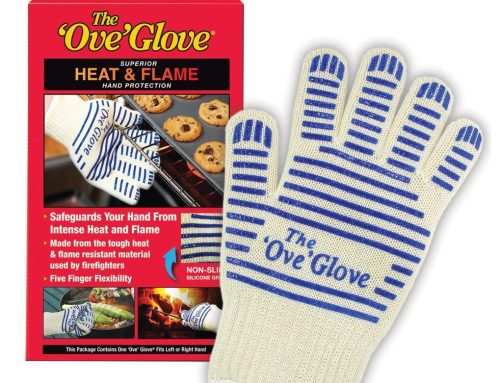
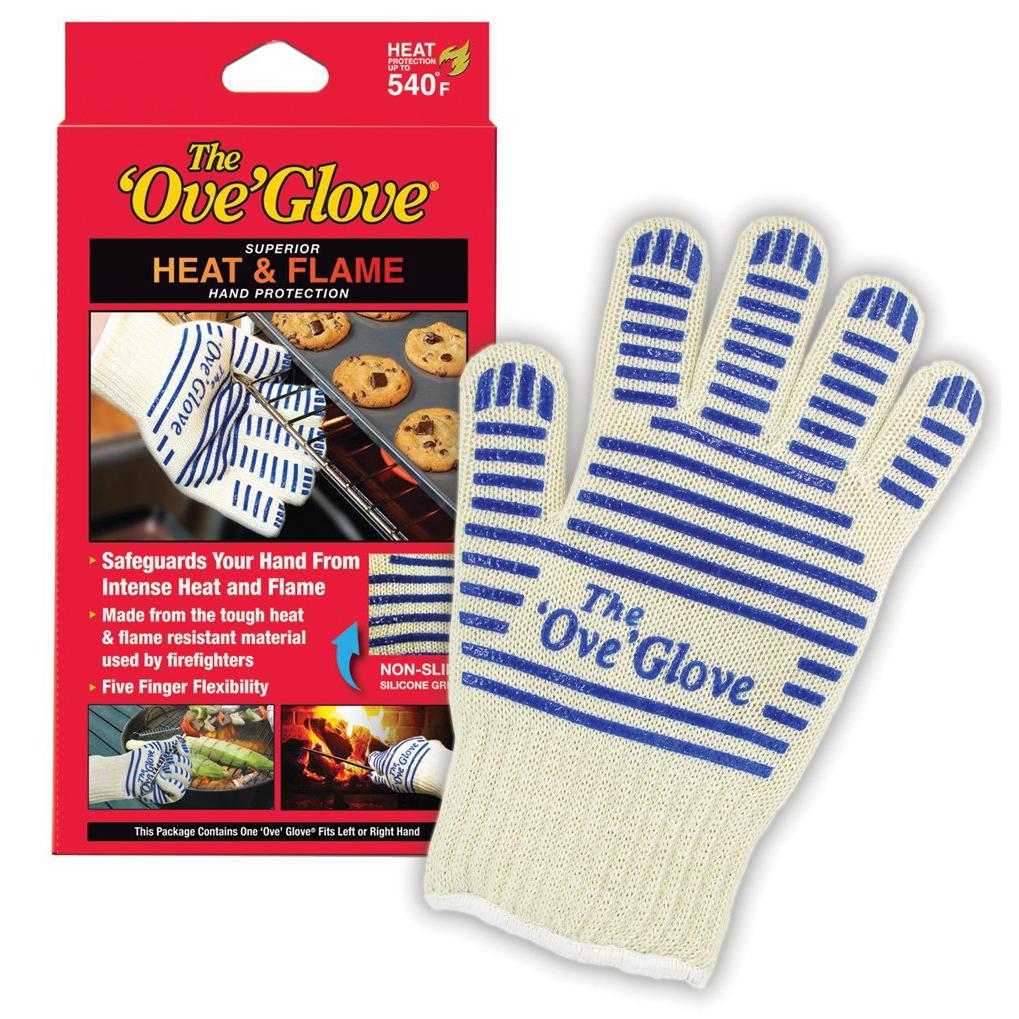
Protective gear is your best friend in the kitchen. An oven glove is specifically designed to shield your skin from steam burns. Investing in quality gear can make a significant difference in your cooking experience. Always have a reliable oven glove nearby when dealing with hot appliances.
Protect your hands while cooking with the Ove Glove
Effective Burn Prevention
Preventing burns is about recognizing risks and following safety steps. Here, we’ll explore how to protect yourself and your loved ones.
Identifying Risk Factors
Recognizing risk factors can help you avoid burns. Overfilling your slow cooker or using it without knowing its limits are common mistakes. Always follow the manufacturer’s guidelines for safe use. Awareness of these factors empowers you to cook safely and confidently.
Step-by-Step Safety Tips
-
Keep the cooker at a safe distance: Ensure it’s placed away from edges and any flammable materials.
-
Use appropriate utensils: Metal utensils can heat up quickly; opt for silicone or wood.
-
Be mindful of your surroundings: Ensure children and pets stay clear of the cooking area.
Following these steps can reduce the chances of accidents significantly.
Importance of Kitchen Safety Gear
Safety gear isn’t just for show; it’s crucial. Besides your trusty oven glove, consider aprons and long sleeves to shield against unexpected splashes or steam release. Proper gear enhances your safety, making cooking a more enjoyable and secure activity.
Pressure Cooker Steam Management
Understanding how to manage steam can transform your cooking routine, making it safer and more enjoyable.
Handling Sudden Steam Release
When steam suddenly releases, stay calm. Always step back and allow time for the steam to dissipate. Never attempt to seal a cooker back immediately. This approach minimizes the risk of burns and keeps you in control of your cooking environment.
Optimal Pressure Settings
Setting the right pressure is critical for safe cooking. Refer to your cooker’s manual to ensure you are using the correct settings. Proper settings not only contribute to safety but also improve the taste and texture of your food.
Maintaining Cooker Efficiency
Cleaning and checking your cooker regularly can prevent mishaps. A well-maintained cooker operates efficiently, reducing the risk of unexpected steam release. Regular maintenance extends its lifespan, providing you with a reliable cooking companion.
Essential Kitchen Safety Advice
Finally, let’s wrap up with some essential advice to keep your kitchen a safe space for everyone.
Regular Maintenance Checks
Routine checks can catch potential issues early. Look for wear and tear in seals and parts. Regular inspections keep your cooker functioning safely and effectively. A well-cared-for cooker is less likely to cause accidents.
Educating Household Members
Educate everyone in your home about safe cooking practices. Share knowledge about steam risks and how to prevent burns. Creating a culture of safety ensures that everyone enjoys a secure cooking environment.
Enhancing Overall Cooking Safety
Implement these steps to enhance safety:
-
Keep a fire extinguisher nearby.
-
Ensure ventilation is adequate.
-
Stay attentive while cooking.
By integrating these practices, you’ll create a safer kitchen space. Remember, the longer you wait to implement safety measures, the more you risk an accident. Prioritize safety today for peace of mind tomorrow.


All major credit cards accepted
Free Shipping – Order – Track Order – Contact Us
The Ove Glove’s Performance in Real-World Tests
From Home Cooks to Chefs: The Ove Glove's Performance in Real-World Tests In the bustling world of culinary arts, where precision and safety are paramount, the right tools can make all the difference. Enter the Ove Glove, a heat-resistant glove that has garnered rave reviews from both home cooks and [...]
Ove Glove or Silicone Mitts?
Heat-Resistant Cooking Essentials: Ove Glove or Silicone Mitts? Choosing the best oven mitts is crucial for home cooks and kitchen enthusiasts who prioritize kitchen safety and efficiency. With countless options available, from traditional cloth mitts to modern heat-resistant cooking solutions, finding the perfect fit can be a challenge. In this [...]
Why Every Home Cook Needs the Ove Glove
Affordable Cooking Accessories: Why Every Home Cook Needs the Ove Glove For every home cook on the lookout for budget-friendly heat shields, the Ove Glove stands out as a top contender among affordable cooking accessories. Known for its high-quality protection, this versatile glove offers an effective solution for safely handling [...]
Elevate Your Gifting with Today’s Special Free Shipping
Gifts for Cooks: Elevate Your Gifting with Today's Special Free Shipping Gift shopping for the culinary enthusiast in your life has never been easier, especially with today's special offer of free shipping. Whether you're shopping for a seasoned chef or a budding home cook, finding kitchen gifts that match their [...]
How the Ove Glove Stands Up to High Heat and Repeated Use
Heat-Resistant Gloves: How the Ove Glove Stands Up to High Heat and Repeated Use When it comes to choosing the perfect heat-resistant gloves for your kitchen, durability and performance are key. The Ove Glove stands out as a top choice for home cooks and kitchen enthusiasts, boasting a tough construction [...]
The Ove Glove’s Textured Grip Advantage
Master Kitchen Safety: The Ove Glove's Textured Grip Advantage Mastering kitchen safety is essential for any home cook, and the Ove Glove offers a unique solution with its textured grip advantage. This essential cooking accessory is designed to enhance your confidence when handling hot dishes, ensuring you never drop a [...]