
Mastering Convection Ovens: Essential Tips for Safe Pan Rotation
Rotating pans in a convection oven isn’t just about turning them around. You risk uneven cooking or worse, burns if you don’t handle your pans right. With the right convection oven tips, you’ll learn how to rotate pans safely while using your oven glove to protect your hands. Let’s break down the safest moves for oven handling when baking in convection ovens. For more insights, check out this link.

Get FREE shipping on the Ove Glove today!
Understanding Convection Ovens
Convection ovens are a game-changer in kitchens. They promise faster and more even baking, but how do they work, and are they really better?
How Convection Ovens Work
Convection ovens use fans to circulate hot air around your food. This means heat reaches every part of your dish, cooking it evenly. Unlike conventional ovens, they maintain consistent temperatures. By distributing heat more effectively, you avoid those pesky hot and cold spots. This results in perfectly cooked meals without the need to shuffle pans constantly.
Benefits of Using Convection Ovens
Wondering why these ovens are popular? They cook food faster, saving you time. With a convection oven, you can bake multiple dishes at once without worrying about uneven results. The circulating air crisps food beautifully, making it ideal for roasting vegetables or baking cookies. Plus, they often use less energy, which is a win for both your electricity bill and the environment.
Common Myths About Convection Ovens
Many believe convection ovens are tricky to use. Some think they dry out food, but this isn’t true. They actually lock in moisture better than conventional ovens. Another myth is that they are only for professionals. In reality, they’re user-friendly, perfect for home cooks. Most people think they need special pans, but standard bakeware works just fine.
Safe Pan Rotation Techniques
Mastering your convection oven starts with safe pan rotation. Avoid mishaps with these essential techniques.
Importance of Rotate Pans Safely
Rotating pans safely is vital for even cooking. If you skip this step, some parts of your dish might cook faster than others. To ensure everything cooks uniformly, turn your pans halfway through the baking time. This simple trick helps achieve perfect browning and texture. Experts recommend rotating pans for consistent results. Learn more from this external source.
Proper Oven Handling Tips
Handling your oven with care prevents accidents. Always use a sturdy, heat-resistant oven glove when reaching inside. Keep your movements slow and deliberate to avoid burns. Before rotating, pull the rack out slightly for better access. Never rush the process. Double-check that everything is stable before closing the oven door again.
Using Oven Gloves for Protection
Your oven glove is your best friend in the kitchen. It protects your hands from high temperatures. Always wear one when handling hot cookware. Choose gloves that fit well and cover your wrists. They’re essential not just for safety but also for confidence. With the right glove, you’ll feel more secure while baking.
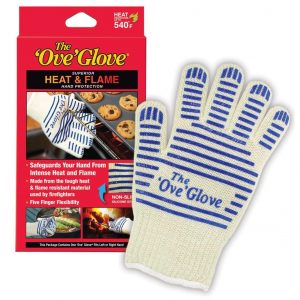
Protect your hands while cooking with the Ove Glove
Best Practices for Baking
Now that you’re equipped with safe handling tips, let’s delve into baking best practices for your convection oven.
Positioning Pans in Convection Ovens
Positioning pans correctly is crucial. Place them in the center of the oven for even air circulation. Avoid crowding the oven; leave space between pans to allow hot air to flow. For multiple pans, stagger them on different racks. This ensures each pan receives equal heat exposure, promoting uniform baking.
Timing and Temperature Adjustments
Baking in a convection oven often requires changes in timing and temperature. Generally, reduce your recipe’s temperature by 25°F. Check your food a few minutes earlier than usual. This prevents overbaking. Remember, convection ovens cook faster due to their efficient heat distribution.
Selecting the Right Bakeware
Choosing the right bakeware impacts your baking results. Shiny pans reflect heat, while dark pans absorb it. Use aluminum or light-colored bakeware for best results. They promote even cooking and prevent over-browning. Avoid glass pans, as they may cause uneven results in convection ovens.
Troubleshooting Common Issues
Even with the best practices, issues can arise. Learn how to tackle common convection oven problems.
Addressing Uneven Baking
Uneven baking is a frequent issue. It often results from improper pan placement. Ensure there’s enough space for air circulation. Rotating pans midway can help, too. If the problem persists, consider checking your oven’s calibration. Consistent measurement is key to even results.
Oven Hot Spots and Solutions
Hot spots can ruin your dish. They happen when certain areas of the oven heat more than others. To combat this, rotate your pans and adjust their position. If necessary, switch racks halfway through baking. Regularly clean your oven, as residue can contribute to uneven heating.
Maintaining Consistent Results
Consistency is crucial for successful baking. Regular oven maintenance helps. Clean your oven and check the seal on its door. A poor seal can cause temperature fluctuations. Consider using an oven thermometer for precise reading. This ensures you always bake at the correct temperature.
Enhancing Your Baking Skills
With troubleshooting tips in hand, it’s time to elevate your convection oven skills and try new things.
Advanced Convection Oven Tips
Ready to go beyond the basics? Try using the convection setting for roasting meats. It seals in juices and creates a crispy exterior. Experiment with dehydration settings for homemade snacks. Your convection oven can do far more than bake.
Experimenting with New Recipes
Don’t shy away from new recipes. Convection ovens excel at baking pastries and bread. Their steady heat helps dough rise evenly. Try making soufflés or meringues; the consistent temperature aids their delicate nature. Exploring new recipes boosts your skills and confidence.
Building Confidence in Your Baking
Confidence grows with practice. By understanding your convection oven, you’ll bake with ease. Keep experimenting and learning. The more you use it, the more intuitive it becomes. Trust yourself and enjoy the process. Your kitchen adventures are just beginning.
By mastering these convection oven tips, you can elevate your baking game. Remember, practice makes perfect. Keep experimenting and enjoy the delicious results!


All major credit cards accepted
Free Shipping – Order – Track Order – Contact Us
Red Velvet Pinwheel Cookies Recipe
Red Velvet Pinwheel Cookies Recipe Enjoy these popular pinwheel shaped cookies that are made using Betty Crocker sugar cookie mix - perfect dessert for Valentine’s Day. Ingredients 1 pouch (1 lb 1.5 oz) Betty Crocker sugar cookie mix 1/4 cup butter or margarine, softened 1 package (3 oz) cream cheese, [...]
Red Velvet Torte with White Truffle Frosting Recipe
Red Velvet Torte with White Truffle Frosting Recipe Need a special dessert? Layers of chocolate bliss frosted with indulgent yet easy truffle frosting take the cake! Ingredients Cake 1 box Betty Crocker Super Moist German chocolate cake mix 1 cup water 1/2 cup vegetable oil 3 eggs 1 bottle (1 [...]
18 Layer Red Velvet Cake Recipe
18 Layer Red Velvet Cake Recipe Take your holiday celebration to impressive new heights! Once you cut into this stunning cake, guests will go gaga over all 18 layers. You don’t have to reveal how easy it is to make. We won’t tell. Ingredients White Cake 1 box Betty Crocker [...]
Red Velvet Whoopie Pies Recipe
Red Velvet Whoopie Pies Recipe Try our whoopie pies, large red velvet, cake-like sweet sandwiches with a fluffy white filling and a berry bonus! Yum. Ingredients Cookies 1 box Betty Crocker Super Moist devil’s food cake mix 1/2 cup water 1/2 cup vegetable oil 3 eggs 2 tablespoons red food [...]
Chocolate Chip Heart Cookies Recipe
Chocolate Chip Heart Cookies Recipe Heart-shaped chocolate chip cookies turn the classic dessert into a festive treat for Valentine's Day or anniversaries. Homemade heart-shaped cookies are made easy with Betty Crocker Chocolate Chip Cookie Mix and a 3-inch open heart-shaped cookie cutter. Make these heart cookies the next time you [...]
Peppermint-Bark Hearts Recipe
Peppermint-Bark Hearts Recipe What could be sweeter than these charming candy hearts, made fast in the microwave. Ingredients 18 peppermint candy canes (2 1/2 inch), unwrapped 5 oz vanilla-flavored candy coating (almond bark), chopped 2 teaspoons crushed peppermint candy canes 1 Line cookie sheet with waxed paper. Arrange candy canes [...]


