
Mastering Dutch Oven Safety: Essential Tips to Prevent Burns in Your Kitchen
Dutch ovens deliver unbeatable flavors, but they demand respect in the kitchen. One wrong move can lead to painful burns that spoil your cooking rhythm. This guide on Dutch oven safety shows you how to handle these heavy pots with care, from picking the right oven glove to managing hot steam and keeping your workspace steady. Read on to protect your hands and enjoy every meal without worry. For more cooking safety tips, check out this resource.

Order the Ove Glove today and get FREE shipping!
Essential Dutch Oven Safety Practices
Cooking with Dutch ovens is a rewarding experience, but safety is key. Let’s start with selecting the right tools and techniques to avoid burns and mishaps in the kitchen.
Selecting Heat-Resistant Gloves
When handling hot pots, choosing the right gloves is crucial. Heat-resistant gloves protect your hands from burns. Look for materials like silicone or Kevlar, which withstand high temperatures. A good oven glove fits snugly, providing grip and dexterity without sacrificing safety. Most people focus on a glove’s appearance, but performance is what truly matters.
Consider investing in gloves with a non-slip grip. This feature helps you hold onto pots securely, reducing the risk of accidents. Remember, a good pair of gloves is an investment in your safety. Your hands will thank you later!
Ensuring Stable Placement
Before you start cooking, ensure your Dutch oven has a stable base. A steady surface prevents spills and accidents. Check your stovetop or countertop to make sure it’s even. If you’re using a burner, adjust the flame to avoid overheating one side.
A stable placement also means keeping the pot away from the edge. Push it back to avoid accidental knocks or bumps. Secure placement is a simple step with a big impact on safety.
Understanding Proper Handling Techniques
Handling a Dutch oven correctly makes a difference. Always lift with both hands, using the handles. This distributes weight evenly, preventing strain on your wrists. It’s tempting to hurry, but take your time to avoid spills.
When removing the lid, tilt it away from you to let steam escape safely. This prevents burns from sudden steam release. Handling with care not only keeps you safe but also ensures your dish turns out perfectly.
Preventing Burns With the Right Tools
Having the right tools makes all the difference in burn prevention. Let’s look at how to equip your kitchen for safe cooking.
Choosing the Best Ove Gloves
Ove gloves are a popular choice for many home chefs. They offer heat resistance up to 540°F, providing excellent protection. The fabric is flexible, allowing you to grasp handles securely. When selecting oven gloves, consider comfort and protection equally.
Evaluate gloves based on their fit. A well-fitting glove offers better control. Keep a pair of these gloves handy for easy access during cooking. They help you handle hot cookware with confidence.
Comparing Different Oven Gloves
Not all oven gloves are created equal. Silicone gloves are waterproof, making them great for handling wet pots. Fabric gloves, on the other hand, offer more flexibility. Consider what features matter most for your cooking style.
Here’s a quick comparison:
|
Type |
Pros |
Cons |
|---|---|---|
|
Silicone |
Waterproof, easy to clean |
Less flexible |
|
Fabric |
Flexible, breathable |
Not waterproof |
Choose the type that matches your needs best. Each has its advantages, so think about your typical cooking scenarios.
Utilizing Cooking Safety Tips
Safety in the kitchen extends beyond gloves. Here are some quick cooking safety tips:
-
Use a lid lifter to avoid steam burns.
-
Keep a fire extinguisher nearby for emergencies.
-
Wipe spills immediately to prevent slips.
For more ideas, explore this cooking safety discussion. These tips help create a safe cooking environment, reducing the risk of accidents.
Safe Cooking Techniques With Dutch Ovens
Cooking with Dutch ovens opens up many possibilities. Let’s explore some techniques to enhance safety while preparing delicious meals.
Managing Steam Safely
Steam can cause severe burns if not handled properly. When lifting a lid, always tilt it away from you to direct steam safely. This small action can prevent painful injuries.
Use a long spatula or spoon to stir, keeping your hands away from steam releases. Be mindful of the steam direction as you cook. These precautions help you manage steam effectively, keeping you safe and comfortable.
Timed Cooking Strategies
Timing is everything in cooking. Knowing when to check your dish can prevent overcooking or burning. Use a reliable kitchen timer to keep track of progress.
Pre-plan your steps to avoid rushing. This ensures each stage is completed safely and efficiently. Proper timing not only enhances flavors but also keeps your cooking process smooth and safe.
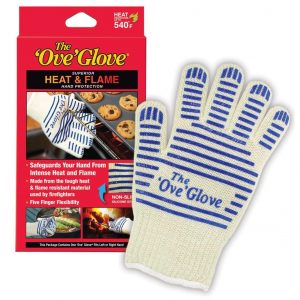
Protect your hands while cooking with the Ove Glove
Transferring Heavy Cookware
Moving a heavy Dutch oven requires caution. Use both hands, with a firm grip on the handles. If it’s too heavy, don’t hesitate to ask for help. Working together can prevent spills or drops.
Clear your path before moving the pot. Make sure countertops and floors are free of obstructions. This step makes transferring cookware safer and easier.
Common Mistakes and How to Avoid Them
Even experienced cooks make mistakes. Let’s identify common errors and how to avoid them for safer cooking.
Recognizing Burn Risks
Burns happen quickly. Recognize risks by staying aware of your surroundings. Avoid loose clothing that could catch on handles. Keep pot handles turned inward to prevent accidental knocks.
Awareness is your first line of defense. Stay focused to minimize risks and enjoy a safe cooking experience.
Avoiding Overcrowding
Overcrowding your Dutch oven can lead to uneven cooking. It also increases the chance of spills. Give your food space to breathe for better results.
Cook in batches if necessary. This ensures even heat distribution and prevents accidents. Quality cooking is about patience and space management.
Monitoring Heat Levels
Keeping an eye on heat levels is crucial. Too much heat can cause burns or damage to your cookware. Adjust the stove to maintain a consistent temperature. Use a thermometer to check internal food temperatures.
Regulating heat not only enhances safety but also improves the taste of your meals. Precision in heat management leads to better outcomes.
Confidence in Your Kitchen
With these safety tips, you’re well on your way to mastering Dutch oven cooking. Build your skills and enjoy delicious meals without worry.
Building Safe Cooking Habits
Safe habits are the foundation of confident cooking. Practice these tips regularly to make them second nature. Consistency is key to building a safe kitchen environment.
Encourage others to adopt these practices. Share your knowledge and help create safer kitchens for everyone.
Enjoying Delicious, Burn-Free Meals
With the right precautions, you can enjoy cooking without the fear of burns. Dutch ovens offer rich flavors and satisfying meals. Savor the process and taste the rewards of your careful preparation.
Remember, safety enhances your culinary experience. Relish in the joy of cooking with peace of mind.
Sharing Safety Tips With Others
Spread the word about cooking safety. Share these tips with friends and family. Your knowledge can help others avoid accidents in their kitchens.
Join communities, like this Facebook group, to exchange tips and experiences. Together, we can create a culture of safety and enjoyment in cooking.


All major credit cards accepted
Free Shipping – Order – Track Order – Contact Us
Oven Mitt Buying Guide: How to Find the Right One
Oven Mitt Buying Guide: How to Find the Right One Most oven mitts on the market look alike until you’ve burned your hand or dropped a hot pan. Choosing the right one isn’t just about style—it’s about protecting your skin and gripping your cookware safely. This oven mitt buying guide [...]
Best Heat Resistant Gloves for Cooking
Best Heat Resistant Gloves for Cooking Burning your fingers while cooking is more common than you think, and the wrong gloves can make it worse. You need heat resistant gloves that actually protect without sacrificing comfort or grip. This guide breaks down the best cooking gloves so you can handle [...]
Oven Mitts vs Pot Holders: Which Is Safer?
Oven Mitts vs Pot Holders: Which Is Safer? Most home cooks trust their oven mitts or pot holders without a second thought. Yet, not all kitchen accessories offer the same level of burn protection and heat resistance. This post breaks down the safety features of oven mitts versus pot holders, [...]
Best Oven Gloves for Grilling and BBQ
Best Oven Gloves for Grilling and BBQ Most oven gloves fail when the heat gets intense, leaving you risking burns or fumbling with your grill tools. If you’ve ever wished your grilling gloves could offer real protection without sacrificing comfort or grip, you’re not alone. This guide breaks down the [...]
Oven Mitts vs Oven Gloves: What’s the Difference?
Oven Mitts vs Oven Gloves: What's the Difference? Most people grab whatever is handy when reaching for hot cookware, but oven mitts and oven gloves are not the same. Choosing the wrong one can cost you in safety and comfort. This cooking tools comparison breaks down how their designs, materials, [...]
How to Protect Your Hands From Burns While Cooking
How to Protect Your Hands From Burns While Cooking Burns in the kitchen happen more often than you think, and they can ruin your cooking time fast. Keeping your hands safe isn’t just about luck—it’s about using the right tools and knowing smart ways to handle hot cookware. In this [...]


