
Heat Resistant Gloves: What Temperature Can They Handle?
Most heat resistant gloves claim to protect you from extreme temperatures, but can they really handle the heat you face every day? Choosing the wrong pair could leave you burned or limit your grip when you need control. This post breaks down the temperature resistance of popular glove materials and guides you in picking the right safety gloves for high heat, whether you’re cooking, grilling, or working industrially. For more information on the best oven gloves for handling cast iron pans, check out this link.

Get FREE shipping on the Ove Glove today!
Understanding Heat Resistant Gloves
Before diving into materials, it’s essential to know what makes heat resistant gloves unique. Grasping their key features helps when selecting the right pair.
What Are Heat Resistant Gloves?
Heat resistant gloves are specially designed to protect your hands from burns when handling hot items. They are crafted from materials that can withstand extreme temperatures. These gloves are vital for anyone working with high heat, like chefs or industrial workers. The gloves cover your hands entirely, reducing the risk of skin contact with hot surfaces. They often feature a textured surface for a better grip, ensuring you handle hot objects securely.
The Importance of Temperature Resistance
The level of temperature resistance varies among gloves. This resistance is crucial because it determines how well the gloves can protect you from burns. High-quality gloves can handle temperatures as high as 932°F. Choosing gloves with appropriate resistance ensures safety and comfort. Wearing the wrong gloves could expose you to severe burns, affecting your ability to perform tasks efficiently. Therefore, always check the temperature rating before purchasing.
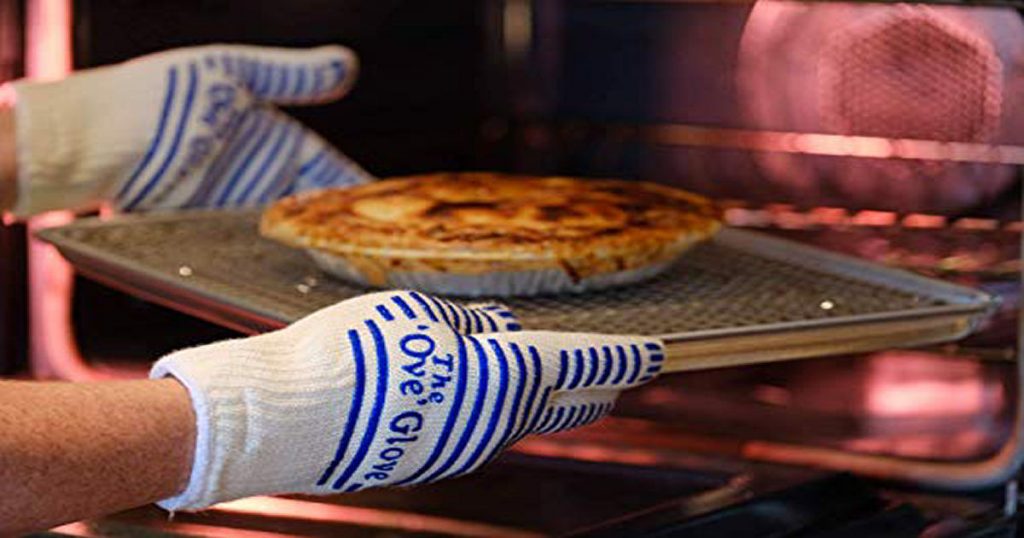
Keep your hands safe while cooking! Order today!
Key Uses in Various Settings
Heat resistant gloves are not limited to one use. In kitchens, they allow safe handling of hot pots and pans. Grill enthusiasts rely on them for flipping and turning meats. Industrial workers require them for handling machinery and performing tasks that involve exposure to high heat. Each setting demands different levels of protection. Knowing where and how you plan to use the gloves helps you pick the right pair, ensuring you stay protected in all situations.
Materials and Their Heat Resistance
With a basic understanding of heat resistant gloves, the next step is exploring the materials used to craft them. Each material offers different levels of protection and flexibility.
Silicone: A Kitchen Favorite
Silicone gloves are popular in kitchens for a reason. They can resist temperatures up to 500°F, making them ideal for handling hot cookware. These gloves are waterproof and provide a non-slip grip, perfect for managing slippery dishes. Silicone’s flexibility allows for a snug fit, improving dexterity when handling small items. Despite their benefits, ensure they fit well to avoid compromising your grip. For more insight, see the best oven gloves for pizza ovens.
Aramid Fibers: Industrial Strength
Aramid fibers are used in industries due to their exceptional heat resistance. Gloves made from these fibers endure temperatures up to 932°F. This material is lightweight yet durable, offering protection without hindering movement. Aramid fibers are often used in firefighting gear due to their ability to withstand extreme heat. These gloves are suitable for environments where safety is paramount, ensuring protection against intense heat exposure.
Neoprene: Versatile Protection
Neoprene is known for its versatile protection. It handles moderate heat levels, making it suitable for various tasks. Neoprene gloves are often used in labs and industrial settings for their chemical and heat resistance. They offer a balance of protection and flexibility, allowing for a comfortable fit. While not as heat resistant as aramid fibers, they provide adequate protection for tasks involving moderate heat.
Selecting the Right Gloves
Choosing the right gloves involves assessing your needs and matching them to the gloves’ features. Here’s what you need to know.
Assessing Your Heat Exposure
Understanding your exposure to heat is crucial when selecting gloves. Different tasks require varying levels of protection. Consider the highest temperature you’ll encounter and choose gloves that can handle it comfortably. This assessment ensures you’re not underestimating the protection you need, preventing potential accidents and enhancing safety.
Matching Gloves to Tasks
Each task demands a specific type of glove. For cooking, silicone gloves are ideal due to their grip and flexibility. Grill enthusiasts might prefer gloves with higher heat resistance, like those made from aramid fibers. Industrial workers should opt for gloves that offer both heat and chemical resistance. Matching the gloves to your tasks ensures maximum safety and efficiency.
Balancing Safety and Dexterity
While safety is a priority, dexterity should not be overlooked. Gloves that are too bulky can hinder movement, affecting your ability to perform tasks. Look for gloves that offer a balance of protection and flexibility. A snug fit ensures better control and reduces the risk of accidents. Always try on gloves before purchasing to ensure they meet both safety and dexterity needs.
Industry-Specific Glove Applications
Different industries have unique requirements for heat resistant gloves. Understanding these needs ensures you choose the right gloves for your work environment.
Kitchen Gloves and Heat Resistance
In kitchens, gloves are essential for handling hot pots and pans. Silicone gloves offer the best grip and flexibility, perfect for culinary tasks. They prevent burns by providing a barrier between your hands and hot surfaces. Regularly check for wear and tear to maintain their effectiveness. For more tips on kitchen safety, visit this page.
Industrial Heat Gloves for Workers
Industrial settings demand gloves with high heat resistance. Aramid fiber gloves provide the best protection, ensuring safety in environments with extreme temperatures. These gloves also offer cut resistance, making them ideal for tasks involving sharp tools. Ensure the gloves fit well and meet the safety standards required for your specific industry.
Grilling Safety Gear Essentials
Safety gear is crucial for grilling enthusiasts. Heat resistant gloves protect your hands from open flames and hot surfaces. Look for gloves that offer a secure grip and adequate heat resistance. Regularly inspect them for signs of wear to ensure they continue to provide the protection you need while grilling.
Tips for Maintaining Glove Effectiveness
Proper care and maintenance extend the life of your gloves, ensuring they continue to protect you effectively.
Proper Care and Storage
To maintain glove effectiveness, regular cleaning is essential. Wash them according to the manufacturer’s instructions, usually with mild soap and water. Store them in a cool, dry place, away from direct sunlight. Proper storage prevents material degradation, ensuring the gloves maintain their protective properties.
Recognizing Wear and Tear
Regularly inspect your gloves for signs of wear and tear. Look for holes, thinning material, or loose threads. These are indicators that the gloves may no longer provide adequate protection. Promptly replace gloves showing significant signs of wear to avoid compromising safety.
When to Replace Your Gloves
Replace your gloves when they show visible damage or no longer fit snugly. Over time, even the best gloves will lose their protective qualities. Regular replacement ensures you’re always equipped with reliable protection during high-heat tasks.
Frequently Asked Questions
What materials are best for heat resistant gloves?
Silicone, aramid fibers, and neoprene are popular materials. Silicone is suited for kitchen use, aramid for industrial settings, and neoprene for versatile protection.
How do I choose the right heat resistant gloves?
Assess your heat exposure and match gloves to your tasks. Ensure they balance safety with dexterity for optimal protection and control.
How should I care for heat resistant gloves?
Clean them regularly with mild soap and water. Store in a cool, dry place away from direct sunlight to maintain their protective properties.
When should I replace my heat resistant gloves?
Replace them when they show signs of wear, such as holes or thinning, or when they no longer fit snugly to ensure continued protection.
What temperature can heat resistant gloves handle?
Different materials offer varying levels of protection. Silicone gloves can handle up to 500°F, while aramid fiber gloves can withstand temperatures up to 932°F.


All major credit cards accepted
Free Shipping – Order – Track Order – Contact Us
How to Handle a Cast Iron Skillet Safely When It’s Hot
How to Handle a Cast Iron Skillet Safely When It's Hot Handling a hot cast iron skillet can feel like walking a tightrope without a safety net. One wrong move, and you risk burns or spills that ruin your cooking flow. This guide will share practical cooking safety tips and [...]
How to Safely Remove a Hot Baking Dish From the Oven
How to Safely Remove a Hot Baking Dish From the Oven Burns from hot baking dishes happen more often than you might think, and a split second of carelessness can ruin your day. You want to enjoy your delicious meals without risking painful accidents or messy spills. Learning how to [...]
Can You Use Oven Mitts on a Grill?
Can You Use Oven Mitts on a Grill? Grilling at high heat demands gear that keeps your hands safe from sudden flare-ups and scorching racks. Many wonder if their trusty oven mitts can handle the heat outdoors or if specialized grilling gloves are a must. This post breaks down what [...]
What Are the Best Oven Mitts for Cast Iron Pans?
What Are the Best Oven Mitts for Cast Iron Pans? Heavy cast iron pans demand more than just any oven mitt. If you’ve ever wrestled with thick, scorching cookware, you know how a poor grip or weak heat protection can ruin your cooking flow. This guide breaks down the best [...]
Do Oven Mitts Protect Against Steam?
Do Oven Mitts Protect Against Steam? Steam burns happen faster than you think, and not every oven mitt can stop them. If you rely on regular cotton mitts, your hands might still face serious heat and moisture damage. This post breaks down which oven mitts protect against steam and shares [...]
What Is the Best Material for Oven Mitts?
What Is the Best Material for Oven Mitts? Picking the right oven mitt can feel tougher than nailing a perfect souffle. With so many oven mitt materials out there, how do you know which one keeps your hands safe without slowing you down? Let’s break down the heat resistant mitts [...]


