How Hot Can Oven Mitts Get? Understanding Heat Resistance
Most people assume all oven mitts handle the same heat, but that’s far from true. If you’ve ever felt a sudden burn despite wearing mitts, you know how risky it can get. This post breaks down oven mitt heat resistance, revealing which materials protect best and how hot oven mitts can get before they stop working. Stick around, and you’ll learn how to pick the right mitts and keep your hands safe during every kitchen task. For more on choosing the right oven mitts, check out this guide.

Get FREE shipping on the Ove Glove today!
Understanding Oven Mitt Heat Resistance
Oven mitts aren’t just a kitchen accessory; they’re a critical part of cooking safety. The way they protect your hands from heat depends on several key factors. Let’s explore what makes some mitts more effective than others.
Key Factors in Heat Resistance
The material of the mitt plays a huge role in how well it can resist heat. Thickness matters too: thicker mitts usually offer better protection. The design also impacts heat resistance, as those that fit snugly are often more effective. These factors together determine how well your mitts stand up to heat.
How Hot Can Oven Mitts Get?
You might wonder how much heat oven mitts can truly handle. Generally, most oven mitts are designed to withstand temperatures up to 400 degrees Fahrenheit. However, some specialty mitts can handle even higher temperatures, going up to 932 degrees Fahrenheit. Always check the specifications of your mitts to know their limits.
Material Heat Resistance Overview
Different materials offer varying levels of heat resistance. Cotton mitts are common but less heat resistant compared to silicone ones. Silicone mitts provide better protection due to their higher heat tolerance. Understanding these differences helps you choose the right mitts for your needs.
Materials and Their Heat Thresholds
Exploring the materials used in oven mitts reveals insights into their heat thresholds. Let’s dive into the strengths and weaknesses of these materials and how they affect your cooking experience.
Cotton vs. Silicone Oven Mitts
Cotton mitts are soft and comfortable but often have a lower heat threshold. They can handle temperatures around 200 to 300 degrees Fahrenheit. In contrast, silicone mitts can withstand up to 500 degrees Fahrenheit, making them ideal for high-heat tasks. Choose based on your cooking needs and safety priorities.
The Role of Insulation Layers
Insulation layers in mitts add extra protection. These layers trap air, which acts as a barrier against heat. Some mitts include multiple layers, enhancing their effectiveness. If you’re handling high-heat items frequently, mitts with additional insulation are a smart choice.
Specialty Heat Resistant Kitchen Gloves
Specialty gloves are designed for extreme heat conditions. They often use materials like Kevlar or Nomex, which protect against temperatures up to 932 degrees Fahrenheit. If you’re working with pizza ovens or cast iron pans, consider investing in these gloves for superior safety. Check out some great options here.
Keep your hands safe while cooking! Order today!
Safe Cooking Tips with Oven Mitts
Using oven mitts correctly is crucial for kitchen safety. Here are some tips to ensure you protect yourself while cooking.
Proper Usage Around High Heat
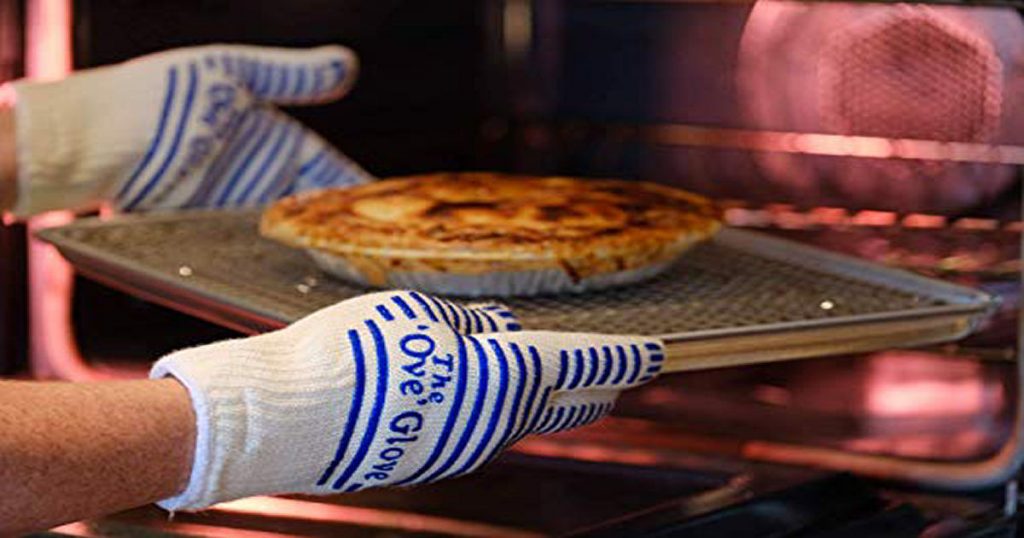
When dealing with high-heat tasks, always use mitts that cover your wrists. This provides added protection against burns. Also, ensure your mitts are clean and dry, as wet mitts can conduct heat more easily, leading to burns.
Common Mistakes to Avoid
A common mistake is using mitts that are too thin for the task. Thin mitts might not provide adequate protection, leading to burns. Also, avoid holding hot items for extended periods, even with mitts on, as heat can eventually penetrate.
Choosing Oven Mitts for Specific Tasks
Different cooking tasks require different mitts. For example, baking cookies may need less heat resistance than handling a pizza stone. Choose mitts based on the specific tasks you frequently perform in the kitchen. For more insights, read this guide.
Kitchen Safety and Maintenance
Maintaining your oven mitts ensures they remain effective. Here’s how to keep them in top condition.
Inspecting for Wear and Tear
Regularly check your mitts for signs of wear and tear. Look for holes, thinning, or burns. These can compromise their heat resistance. Replace mitts that show significant damage to ensure your safety.
Cleaning and Maintenance Tips
Keep your mitts clean to maintain their performance. Most cotton mitts can be machine washed, while silicone ones can be wiped down with a damp cloth. Avoid using harsh detergents as they can degrade the material over time.
Long-term Storage Solutions
Store your mitts in a dry, cool place to prevent mildew and material degradation. Hanging them can help retain their shape and make them easily accessible when needed.
Empowering Your Cooking Experience
Understanding oven mitts and their heat resistance empowers you to make safer choices in the kitchen. Here’s why this matters.
The Importance of Kitchen Safety
Using the right mitts reduces your risk of burns, making cooking a safer and more enjoyable experience. Prioritizing safety protects you and your loved ones.
Making Informed Choices
Choosing the right mitts involves considering your specific needs and the tasks you perform most often. Knowledge about materials and heat thresholds helps you make informed decisions.
Building Confidence in the Kitchen
With the right tools and knowledge, you can tackle any cooking task confidently. This boosts your overall cooking experience and encourages you to explore new recipes and techniques.
Frequently Asked Questions
How do I choose the right oven mitts?
Choose mitts based on the tasks you perform most often and the level of heat resistance needed. Consider materials like silicone for higher heat tasks.
What is the maximum temperature most oven mitts can handle?
Most oven mitts can handle up to 400 degrees Fahrenheit, though some specialty gloves can withstand up to 932 degrees Fahrenheit.
How should I clean my oven mitts?
Cotton mitts can often be machine washed, while silicone ones should be wiped with a damp cloth. Avoid harsh detergents to prolong their life.
Can I use wet oven mitts?
No, wet mitts can conduct heat more easily, increasing the risk of burns. Always ensure mitts are dry before using them.
What are the signs that I need to replace my oven mitts?
Replace mitts if they show holes, thinning, or significant burns, as these can compromise their heat resistance.


All major credit cards accepted
Free Shipping – Order – Track Order – Contact Us
Essential Tips for Handling Hot Pans
Mastering Sheet Pan Safety: Essential Tips for Handling Hot Pans Dropping a hot sheet pan is more common than you think—and the cleanup isn’t the worst part. Burns and kitchen accidents happen fast when you don’t have the right grip or tools in hand. This guide on sheet pan safety [...]
Safely Handling 500-Degree Pizza Ovens
Baking Tips from the Pros: Safely Handling 500-Degree Pizza Ovens Handling a 500-degree pizza oven is no small task, especially when you’re passionate about homemade pizza and artisan baking. Most home cooks underestimate how tricky oven temperatures this high can be, risking burns or ruined pies. Knowing the right baking [...]
The Best Oven Mitts for Dutch Oven Handling
The Best Oven Mitts for Dutch Oven Handling Moving a hot Dutch oven without the right gear can turn a simple meal into a risky mess. If you’ve ever burned your hands or spilled food trying to carry one, you know the frustration all too well. This guide will show [...]
Preventing Steam Burns in Your Kitchen
Essential Pasta Cooking Tips: Preventing Steam Burns in Your Kitchen Draining pasta safely can feel like a risky move when that hot steam rises without warning. You’ve probably burned your hands or worried about splashing boiling water more than once. This guide will show you smart pasta cooking tips and [...]
The Science Behind Thickness and Layering in the Best Cooking Gloves
The Science Behind Thickness and Layering in the Best Cooking Gloves Most cooking gloves promise heat resistance, but only a few truly deliver when you’re pulling something hot from the oven. The secret lies in thickness and layering, along with the right cooking gloves materials and grip technology in gloves. [...]
The Ultimate Guide to Heat Protection
Grilling Tips from the Pros: The Ultimate Guide to Heat Protection Handling blazing grates and fiery smokers without singeing your skin takes more than luck—it demands smart heat protection. Professional pitmasters have nailed fire handling techniques that keep their hands safe while working close to intense heat. In this guide, [...]