
Unveiling the Heat Resistance Secrets: How Ove Gloves Keep You Safe in the Kitchen
Most cooking gloves can’t handle intense heat without failing. You need protection that won’t let you down when temperatures soar. Ove Gloves combine aramid fibers and silicone to deliver real heat resistance and durability in gloves designed for serious kitchen safety. Let’s break down how these materials and heat ratings work together to keep your hands safe every time you cook. Check more about these gloves here.
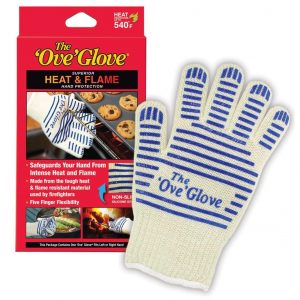
Never burn your hands again while cooking!

Understanding Heat Resistance
When it comes to heat resistance, the magic lies in the materials. Ove Gloves are engineered with precision to ensure safety and durability. Let’s explore the clever design and the science that keeps your hands protected.
Materials Behind Ove Gloves
The secret to Ove Gloves’ effectiveness is in their combination of aramid fibers and silicone. Aramid fibers are the unsung heroes that give these gloves their incredible heat resistance. They are the same materials used in firefighters’ gear, known for their strength and ability to withstand high temperatures. Silicone, on the other hand, adds flexibility and grip, making sure you have a firm hold on hot pots and pans. Together, these components ensure your hands stay safe, even when you’re handling scorching items.
By integrating these advanced materials, Ove Gloves provide a solution that many heat-resistant gloves on the market fail to deliver. You no longer have to worry about accidental burns, as each pair of gloves is a fortress against heat. This blend of materials is what sets Ove Gloves apart, creating a standard for kitchen safety that is hard to beat. Curious about how they stack up against other brands? Find a detailed comparison here.
Simplifying Heat Ratings
Heat ratings can be confusing, but understanding them is crucial when choosing the right cooking gloves. Ove Gloves are rated to withstand temperatures up to 540°F. This means you can confidently reach into a hot oven or grill without fear. The rating is not just a number; it represents the glove’s ability to protect against extreme heat, ensuring your safety in the kitchen.
By focusing on this heat rating, you gain peace of mind knowing your gloves are tested to perform under intense conditions. This is what most people miss—it’s more than just about how hot something feels; it’s about the prolonged exposure and consistent protection that keeps you safe. Next time you see a heat rating, think about the real-world scenarios it represents, and you’ll appreciate the assurance it brings.
The Role of Aramid Fibers
Aramid fibers are more than just a buzzword in material science. They are the backbone of Ove Gloves, providing unmatched protection. Let’s see what makes them so special for kitchen safety.
Aramid Fiber Properties
Aramid fibers are renowned for their high thermal stability and strength. This means they can endure extreme temperatures without degrading. Imagine the fibers as tiny, interlocking chains that form a barrier against heat. They are lightweight yet incredibly strong, able to resist cuts and abrasions.
This unique property makes aramid fibers ideal for cooking gloves. They are not just about heat resistance; they also offer durability, ensuring your gloves last through countless cooking sessions. You can trust that they will maintain their integrity, even after repeated exposure to high temperatures. This reliability is what gives Ove Gloves their edge.
Benefits in Kitchen Safety
The benefits of aramid fibers extend beyond heat resistance. They provide confidence and peace of mind while you cook. With these fibers, you can handle pots and pans with ease, knowing your hands are shielded from heat. This safety means you can focus on creating culinary masterpieces without the distraction of worrying about burns.
Moreover, the durability of these fibers ensures that your investment in Ove Gloves pays off in the long run. Unlike other gloves that might wear out quickly, aramid fibers maintain their protective qualities, offering consistent safety every time you cook.
Silicone’s Contribution
Silicone is often overlooked, but its role in Ove Gloves is crucial. It enhances the gloves’ functionality, adding benefits that go beyond heat resistance.
Silicone in Cooking Gloves
Silicone provides a non-slip grip, which is essential when handling hot and heavy cookware. Imagine cooking without fear of dropping a hot dish because your gloves slipped. Silicone’s natural tackiness ensures a secure hold, even when your hands are sweaty or the cookware is wet.
Furthermore, silicone is flexible, allowing you to move your hands freely. This flexibility means you can perform delicate tasks, like adjusting a thermometer or flipping meat, without removing the gloves. It’s this combination of grip and flexibility that makes silicone indispensable in cooking gloves.
High Temperature Protection
Silicone also contributes significantly to high-temperature protection. It acts as an additional barrier against heat, complementing the aramid fibers. This dual-layer of protection means that even if you hold a hot item for longer, your hands remain safe.
In real-world cooking, this means you can be more adventurous. Try new recipes that require high-heat techniques, such as grilling or broiling, without the constant worry of burns. With Ove Gloves, you’re equipped to tackle any challenge the kitchen throws at you.
By understanding the science behind Ove Gloves, you can cook with confidence, knowing your hands are protected by cutting-edge technology. For those still on the fence, remember—choosing Ove Gloves is not just about buying a pair of gloves; it’s about investing in your kitchen safety and peace of mind. Check them out here and join a community of cooks who prioritize safety.
Never burn your hands again while cooking!
Best Heat Resistant Gloves for Cooking
Best Heat Resistant Gloves for Cooking Burning your fingers while cooking is more common than you think, and the wrong gloves can make it worse. You need heat resistant gloves that actually protect without sacrificing comfort or grip. This guide breaks down the best cooking gloves so you can handle [...]
Oven Mitts vs Pot Holders: Which Is Safer?
Oven Mitts vs Pot Holders: Which Is Safer? Most home cooks trust their oven mitts or pot holders without a second thought. Yet, not all kitchen accessories offer the same level of burn protection and heat resistance. This post breaks down the safety features of oven mitts versus pot holders, [...]
Best Oven Gloves for Grilling and BBQ
Best Oven Gloves for Grilling and BBQ Most oven gloves fail when the heat gets intense, leaving you risking burns or fumbling with your grill tools. If you’ve ever wished your grilling gloves could offer real protection without sacrificing comfort or grip, you’re not alone. This guide breaks down the [...]
Oven Mitts vs Oven Gloves: What’s the Difference?
Oven Mitts vs Oven Gloves: What's the Difference? Most people grab whatever is handy when reaching for hot cookware, but oven mitts and oven gloves are not the same. Choosing the wrong one can cost you in safety and comfort. This cooking tools comparison breaks down how their designs, materials, [...]
How to Protect Your Hands From Burns While Cooking
How to Protect Your Hands From Burns While Cooking Burns in the kitchen happen more often than you think, and they can ruin your cooking time fast. Keeping your hands safe isn’t just about luck—it’s about using the right tools and knowing smart ways to handle hot cookware. In this [...]
Best Oven Mitts for Dutch Ovens and Cast Iron Cookware
Best Oven Mitts for Dutch Ovens and Cast Iron Cookware Heavy cast iron and Dutch ovens hold heat like a furnace, making every grab a potential burn risk. If your oven mitts aren’t up to the task, you’re asking for trouble. This guide breaks down the best oven mitts for [...]


