Chef Kitchen Safety Tips: How to Avoid Burns and Keep Cool Under Pressure
Burns are the top injury in kitchens, especially when the heat is on and orders pile up. You might think it’s just luck if a chef avoids getting burned during rush hour, but there’s a method behind their moves. These chef kitchen safety tips reveal how pros keep their cool and stay safe, even when things get hectic. Stick around to learn the secrets that protect hands and nerves alike. For more information on burn prevention, visit this resource.

Understanding Kitchen Safety Basics
Kitchen safety is the foundation of every successful culinary endeavor. Without it, chaos can ensue, leading to injuries and stress. Here, we explore the essential components of kitchen safety that every aspiring chef must know.
Importance of Kitchen Safety
Every chef knows that safety is non-negotiable. Imagine slicing vegetables swiftly without fear of injury. That’s the power of a safe kitchen. Prioritizing safety means fewer accidents and more focus on your craft. When you take safety seriously, you create a space where creativity thrives without the constant fear of getting hurt.
Kitchen safety involves more than just wearing the right gear. It’s about understanding the flow of the kitchen and respecting each tool’s potential hazards. Safe practices reduce stress and boost confidence, allowing you to work more effectively. Embrace these practices to avoid common pitfalls and enhance your culinary journey.
Common Hazards in Professional Kitchens
Professional kitchens are bustling environments with many hazards lurking. Hot surfaces, sharp knives, and slippery floors are just a few dangers chefs face daily. Knowing what to look out for can save you from painful accidents.
In these environments, it’s crucial to be aware of your surroundings. Quick movements or distractions can lead to unfortunate mishaps. By identifying common hazards, you can proactively take steps to mitigate risks. Stay alert and keep your workspace organized to minimize potential dangers.
The Role of Safety Gear
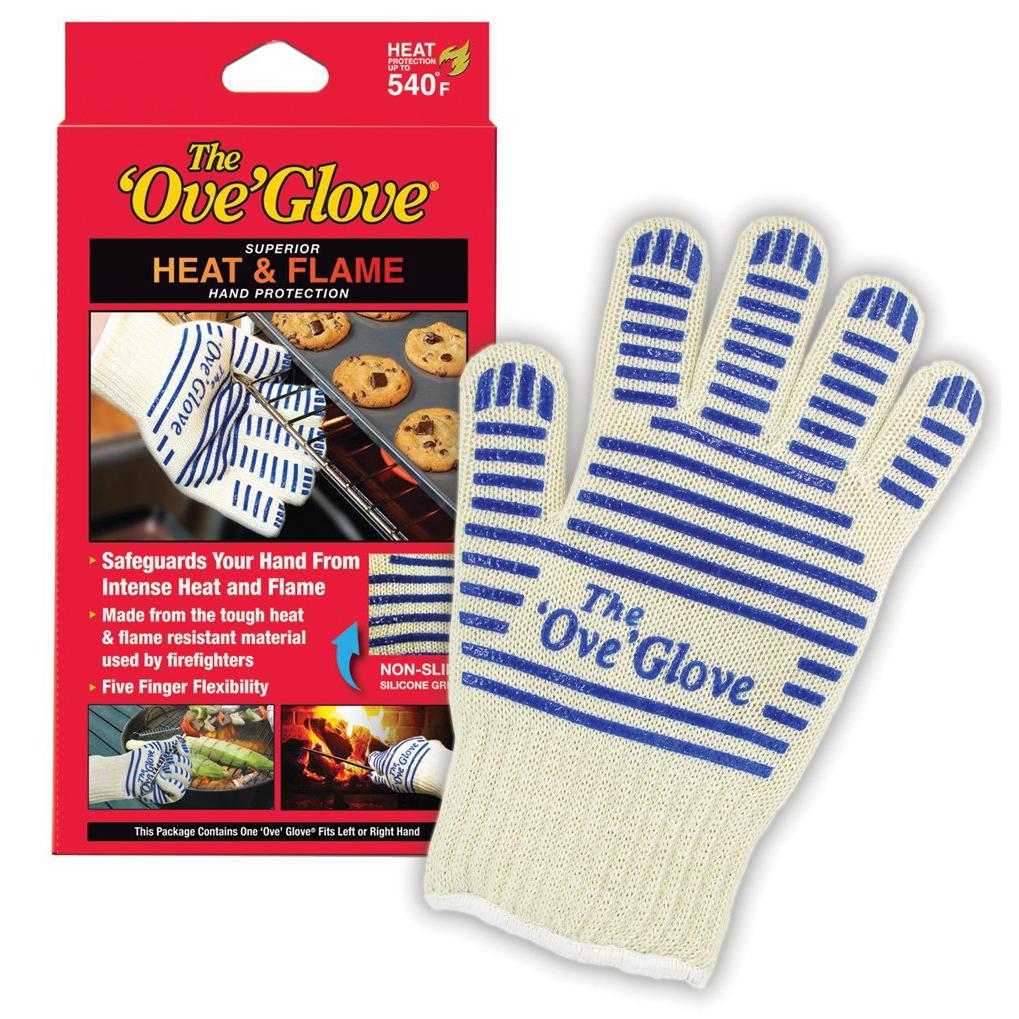
Wearing the right safety gear is crucial in protecting yourself from common kitchen injuries. Heat-resistant gloves and non-slip shoes are essential items that every chef should have. These tools act as a barrier between you and potential harm.
Safety gear should fit well and be comfortable, allowing you to move freely while staying protected. Investing in quality gear pays off in the long run by preventing injuries that could sideline your culinary ambitions. Remember, safety begins with the right equipment.
Practical Tips for Burn Prevention
Burns are a prevalent risk in any kitchen, but they can be avoided with the right techniques. Let’s dive into practical methods that professional chefs use to keep burns at bay.
Professional Chef Techniques
Chefs develop unique techniques to navigate the kitchen safely. One common method is the “claw grip” when chopping, which keeps fingers safe from knife blades. This simple adjustment can prevent cuts and improve your speed and precision.
Another technique is to always communicate your movements. Announce when you’re carrying hot items or opening an oven. This habit keeps everyone informed and reduces the risk of accidental contact with hot surfaces. Adopting these strategies will make your kitchen a safer place to cook.
Maintaining a Safe Workspace
A cluttered workspace increases the risk of accidents. Keeping your station organized is key to preventing mishaps. Ensure all tools are within reach but not in the way, and clean as you go to maintain a tidy area.
Regularly check equipment to ensure everything is in working order. Faulty appliances can lead to dangerous situations. By maintaining your tools and workspace, you create an environment where you can focus on cooking without distractions.
How to Avoid Burns in Kitchens
Avoiding burns requires awareness and preparation. Always use dry oven mitts when handling hot items, as wet cloths can conduct heat. Keep pot handles turned inward to prevent accidental knocks and spills.
Stay attentive when cooking with oil or high heat. Splattering oil can cause severe burns, so use splatter guards and keep a safe distance when possible. By following these tips, you reduce the likelihood of burns and ensure a safer cooking experience.
Staying Cool Under Pressure
In high-pressure kitchen environments, staying calm is essential. Here’s how chefs manage stress and maintain focus during the busiest times.
Managing Stress in Busy Kitchens
Stress is inevitable in a busy kitchen, but it can be managed with the right mindset. Focus on breathing deeply and staying present in the moment. This practice helps keep anxiety at bay and allows you to concentrate on your tasks.
Taking short breaks when possible can also help reset your mind. Step away for a quick stretch or a breath of fresh air. These small moments of pause can make a significant difference in managing stress levels and maintaining efficiency.
Efficient Time Management
Effective time management is crucial in any kitchen. Prioritize tasks and create a timeline to keep your workflow smooth. By organizing your time, you can handle multiple orders without feeling overwhelmed.
A common technique is the “mise en place,” which involves prepping ingredients before you start cooking. This preparation ensures that everything you need is ready, allowing you to focus on cooking rather than searching for ingredients. Implementing these strategies leads to a more productive and less stressful kitchen experience.
Techniques for Staying Focused
Staying focused in a bustling kitchen requires practice. One method is to set small, achievable goals throughout your shift. Completing these goals provides a sense of accomplishment and keeps you motivated.
Eliminate distractions by maintaining a tidy workspace and minimizing unnecessary chatter. This focused environment helps you concentrate on the task at hand and maintain a steady rhythm in your cooking. By employing these techniques, you enhance your ability to stay on track even in the busiest kitchens.
Essential Tools for Kitchen Safety
Equipping your kitchen with the right tools is paramount to ensuring safety. Let’s look at the must-have equipment that every chef should consider.
Must-Have Safety Equipment
Safety in the kitchen starts with having the right tools at your disposal. Essential items include fire extinguishers, first aid kits, and smoke detectors. These tools are crucial in managing emergencies and preventing minor issues from escalating.
Fire extinguishers should be easily accessible and all staff should know how to use them. A well-stocked first aid kit is vital for addressing small injuries before they become more serious. Regularly check and maintain these items to ensure they’re ready when needed.
Proper Use of Kitchen Tools
Using kitchen tools correctly is a fundamental aspect of safety. Always use knives with sharp blades as dull knives are more likely to cause accidents. Cut away from your body and use a stable cutting board to prevent slips.
For appliances, always follow the manufacturer’s instructions and never leave them unattended when in use. Proper use and maintenance of tools not only enhance safety but also prolong their lifespan. By respecting your equipment, you create a safer and more efficient kitchen environment.
Kitchen Safety for Chefs: A Checklist
Creating a safety checklist is a proactive way to ensure all precautions are in place. Include items like checking fire exits, ensuring first aid kits are stocked, and verifying that safety gear is available and in good condition.
Review this checklist regularly and update it as needed. Encourage your team to contribute to the list, fostering a culture of safety awareness. A comprehensive checklist serves as a reliable reminder of the steps needed to maintain a secure kitchen environment.
Building a Safety-First Kitchen Culture
Cultivating a kitchen culture that prioritizes safety is key to long-term success. Here’s how you can foster a positive and secure environment.
Training and Education for Aspiring Chefs
Education is the cornerstone of a safety-first culture. Offer regular training sessions to keep skills sharp and knowledge up to date. Cover topics like fire safety, proper equipment use, and emergency procedures.
Encourage new team members to learn from experienced chefs, fostering a supportive environment where safety is prioritized. Continuous education empowers chefs to make informed decisions and reinforces the importance of safety in the kitchen.
Encouraging Teamwork and Communication
Teamwork and communication are vital in maintaining a safe kitchen. Encourage open dialogue and create an environment where everyone feels comfortable voicing concerns. Regular team meetings can help address any issues and reinforce safety protocols.
By promoting teamwork, you ensure that everyone is on the same page and aware of their responsibilities. This collaborative approach reduces the risk of accidents and creates a more cohesive and efficient team.
Creating a Positive and Safe Environment
A positive work environment boosts morale and encourages safe practices. Recognize and reward those who consistently prioritize safety, reinforcing its importance. Celebrate milestones and progress in improving kitchen safety, creating a sense of pride and motivation among the team.
Fostering a positive environment not only enhances safety but also improves overall job satisfaction. By prioritizing safety and positivity, you create a kitchen culture that values both people and productivity.

All major credit cards accepted
Free Shipping – Order – Track Order – Contact Us
Oven Mitt vs Oven Glove: What’s the Difference?
Oven Mitt vs Oven Glove: What's the Difference? Most home cooks treat oven mitts and oven gloves like the same thing. The truth is, each offers different levels of heat resistance, coverage, and control. Knowing these differences can keep you safer and more comfortable in the kitchen. Let’s break down [...]
Ove Glove Temperature Rating: How Much Heat Can It Handle?
Ove Glove Temperature Rating: How Much Heat Can It Handle? Most kitchen gloves claim to protect you from heat, but how much can the Ove Glove really handle? When you’re grabbing hot pans or pulling trays from the oven, knowing the exact temperature ratings of gloves matters. This post breaks [...]
Best Oven Gloves for Grilling and Outdoor Cooking
Best Oven Gloves for Grilling and Outdoor Cooking Most oven gloves struggle with the heat and mess of outdoor cooking. You need gloves that stand up to flames, water, and rough handling without slowing you down. This guide breaks down the best oven gloves for grilling, showing you which pairs [...]
How to Safely Remove a Hot Pan From the Oven
How to Safely Remove a Hot Pan From the Oven Removing a hot pan from the oven can quickly turn from a simple task into a painful mistake. Many home cooks underestimate the risks, leading to burns or spills that disrupt dinner plans. This guide breaks down how to remove [...]
How Hot Can an Oven Mitt Safely Handle? Temperature Guide
How Hot Can an Oven Mitt Safely Handle? Temperature Guide Most people assume all oven mitts can handle the same heat. That’s far from the truth—and it can put your fingers at risk. Knowing about oven mitt heat resistance and kitchen mitt materials can change how you protect yourself while [...]
Best Oven Gloves for Thanksgiving Turkey and Roasting Pans
Best Oven Gloves for Thanksgiving Turkey and Roasting Pans Handling a Thanksgiving turkey and heavy roasting pans without the right gloves is a recipe for burned hands and dropped dishes. When your oven mitts can’t keep up, the stress of holiday cooking only grows. Let’s cut through the noise and [...]