Stay Safe in the Kitchen: How to Avoid Common Burns
Burns in the kitchen happen more often than you think, and they can ruin your day fast. Oven rack burns, steam burns, and cast iron burns top the list of common mishaps that catch home cooks off guard. Knowing simple burn prevention steps will keep your cooking safe and pain-free. Here’s what you need to watch for and how to avoid burns while you cook. For more information on cooking safety, visit here.

Understanding Kitchen Burns
Let’s dive into the world of kitchen burns and how they happen. Recognizing these common scenarios can help keep you safe.
Common Burn Scenarios
When cooking, you’re likely to face three main risks: oven racks, steam, and cast iron. Oven rack burns occur when you accidentally touch the metal while reaching for your dish. Steam burns sneak up on you when lifting a pot lid or draining pasta. Cast iron burns happen due to the intense heat these pans retain.
Being aware of these risks is the first step to preventing them. Knowing how these burns occur helps you stay cautious when working in the kitchen. Each scenario requires specific attention to keep your hands safe and your cooking enjoyable.
Why Kitchen Safety Matters
Safety in the kitchen isn’t just about comfort. It’s about preventing serious injuries that could sideline you from daily life. A burn isn’t just a temporary setback; it can lead to infections or long-term pain. Understanding the importance of kitchen safety helps you take proactive steps.
Most people think these accidents are rare, but they are more common than you might expect. By prioritizing safety, you protect yourself and your loved ones. This mindfulness can make a big difference in your cooking routine.
Burn Prevention Techniques
To prevent these burns, focus on preparation and awareness. Here’s the key insight: Stay mindful of your actions. Use oven mitts when handling hot items. Lift pot lids away from you to avoid steam, and always assume a cast iron pan is hot.
These simple steps keep you safe. Implementing these techniques reduces the risk of burns significantly. You’ll cook with more confidence and less worry, making your kitchen a safer place.
Oven Rack Burns
Let’s focus on oven rack burns, a common yet avoidable issue. Understanding the risks is your first line of defense.
Identifying Risks
Oven racks pose a danger when you reach into the oven without protection. The risk increases if you’re distracted or in a hurry. Touching hot metal can happen in seconds, leading to painful burns.
Think about how often you use your oven. Each time you reach in, there’s a potential for injury. Being aware of this risk prepares you to take necessary precautions every time.
Oven Rack Safety Tips
To prevent burns, use these safety tips. Always wear oven mitts or gloves when reaching into the oven. This simple step prevents direct contact with hot surfaces. Keep your focus on what you’re doing to avoid accidental touches.
Consider using a timer to remind you when your dish is ready. This keeps you from rushing and forgetting to protect your hands. These small adjustments make a big impact on your safety.
Protective Gear for Your Hands
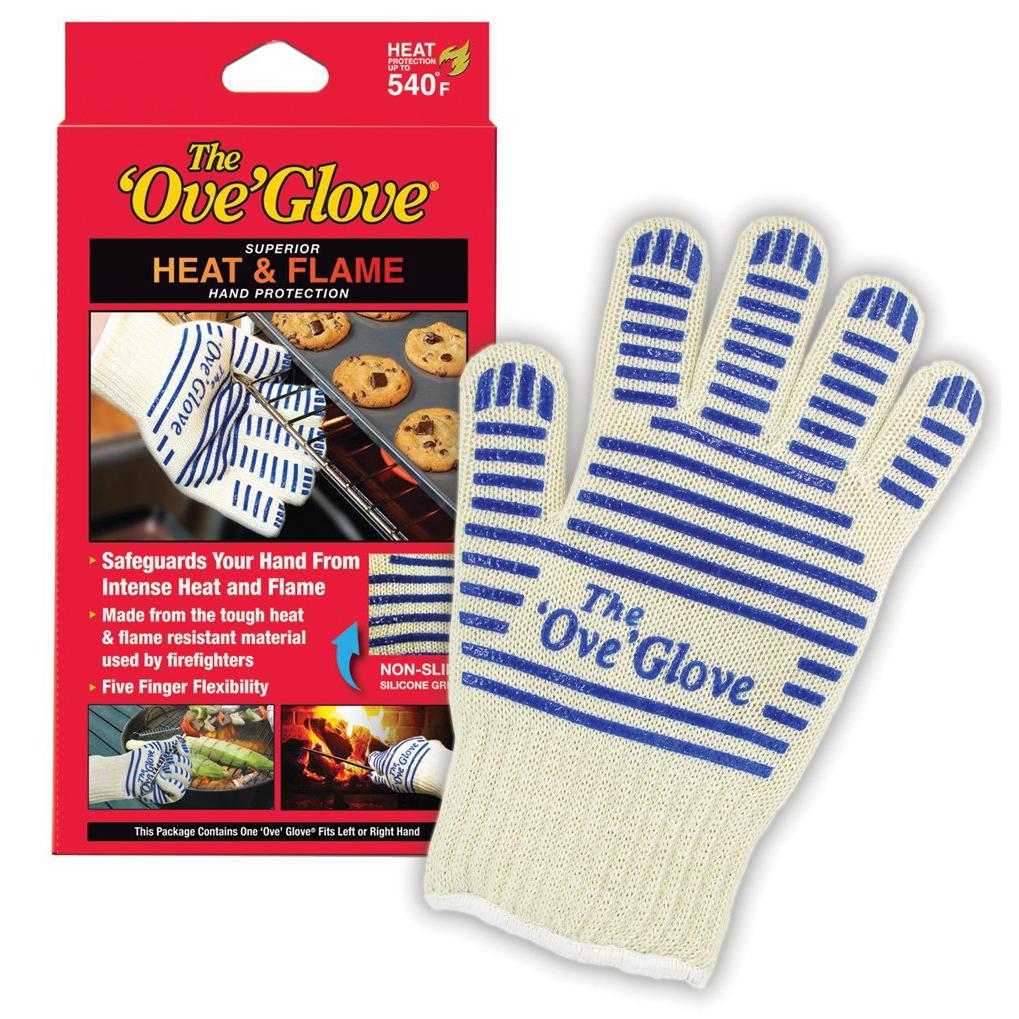
Investing in quality protective gear is crucial. Oven mitts or silicone gloves provide a barrier between your skin and hot surfaces. Choose options that fit well and offer good heat resistance.
Most people underestimate the importance of this gear. But having the right tools at your disposal can prevent painful injuries. Keep them accessible, so you never have to reach unprotected.
Tackling Steam Burns
Steam burns are sneaky, often catching you off guard. But with awareness, they can be avoided.
Sources of Steam Burns
Steam burns occur when hot steam escapes from pots or kettles. Lifting a lid without caution or reaching over boiling water can lead to instant burns. This risk is particularly high when cooking pasta, soups, or steaming vegetables.
Recognizing these sources helps you stay vigilant. By identifying when steam is likely, you can adjust your actions to protect yourself.
Prevent Steam Burns
Here’s the solution: Always lift lids away from your face and hands. This directs steam away from your skin. Use long-handled tools to stir or serve hot liquids. These practices reduce the chance of encountering hot steam.
Remember, patience is key. Let pots cool slightly before handling them. This small wait can prevent a lot of pain down the line.
Safe Cooking Practices
Adopt these safe cooking practices to ensure a burn-free experience. Keep pot handles turned inward to avoid accidental knocks. Use a timer to prevent overcooking, which often leads to rushed decisions.
Most people think they can multitask safely, but distractions increase the risk of burns. Stay focused on one task at a time to maintain a safe kitchen environment.
Managing Cast Iron Burns
Cast iron pans are kitchen staples, but they require careful handling due to their heat retention.
Cast Iron Handling Tips
Always use a handle cover or mitt when moving a cast iron pan. These pans retain heat long after being removed from the stove. Assume every part of the pan is hot to avoid surprise burns.
Handle the pan with both hands for stability. This reduces the chance of accidental drops or touches. These simple guidelines help you enjoy cooking with cast iron safely.
Heat Retention Awareness
Understanding heat retention is crucial. Cast iron pans stay hot for a long time. Even if you’ve set it down, it can still cause burns minutes later.
Most people think the pan cools quickly, but this is a misconception. Stay aware of the pan’s temperature to prevent unexpected burns. Waiting for it to cool completely before cleaning or storing is a smart practice.
Use of Protective Equipment
Protective equipment isn’t limited to mitts. Consider using trivets or heat-resistant mats to place hot pans on. This keeps your counters and hands safe from heat damage.
Having these tools at your disposal makes handling cast iron much easier. You can focus on cooking rather than worrying about potential burns.
General Cooking Safety Tips
Understanding specific burn risks is vital, but general kitchen safety is just as important.
Keep Your Kitchen Safe
Maintain a clutter-free workspace. This reduces the chance of accidents caused by tripping or knocking over hot items. Regularly check your kitchen tools and replace any that are worn or damaged.
Keeping your space organized also enhances your cooking experience. A clean kitchen is a safe kitchen, allowing you to focus on creating delicious meals.
Educate and Prepare
Educate yourself and others in your household about kitchen safety. Share these tips and practices to create a safe environment for everyone. Preparation is key to preventing accidents.
Most people think basic safety knowledge is enough, but ongoing learning is important. Stay updated with safety techniques and equipment to ensure you’re always protected.
Emergency Burn Response
If a burn occurs, knowing how to respond is crucial. Immediately run the burn under cool water for several minutes. Avoid using ice, as it can damage the skin further. Cover the burn with a clean, dry cloth and seek medical attention if necessary.
Having a first aid kit in your kitchen is a smart move. Being prepared for emergencies ensures quick and effective responses, minimizing the impact of any injury.

All major credit cards accepted
Free Shipping – Order – Track Order – Contact Us
Best Oven Mitts for High Heat: What You Need to Know
Best Oven Mitts for High Heat: What You Need to Know Most oven mitts can’t handle intense heat without letting you down. If you’ve ever burned your hand or dropped a hot pan, you know why the right pair matters. This guide breaks down what to look for in high [...]
The Best Gloves for Handling Hot Cookware
The Best Gloves for Handling Hot Cookware Handling hot cookware without the right gloves is a quick way to end up with painful burns. You need gloves that protect your hands while letting you move with ease around the kitchen or grill. In this post, you’ll find the best gloves [...]
Best Oven Mitts for Cooking, Baking and Grilling
Best Oven Mitts for Cooking, Baking and Grilling Most oven mitts promise protection, but many fall short when you’re juggling hot pans and tricky grips. If you’ve ever burned your hand or fumbled a dish, you know that not all mitts are created equal. This guide breaks down the best [...]
Are Oven Mitts Machine Washable?
Are Oven Mitts Machine Washable? Oven mitts take a beating in the kitchen, catching spills and heat that can leave them grimy fast. But tossing them in the washing machine might not be as simple as it seems. If you want to keep your mitts safe and lasting longer, knowing [...]
Why Do Oven Mitts Get Hot? 7 Common Mistakes
Why Do Oven Mitts Get Hot? 7 Common Mistakes Oven mitts are supposed to keep your hands safe, but sometimes they end up feeling hotter than they should. This problem usually comes from a few common mistakes that many home cooks don’t realize they’re making. In this post, you’ll learn [...]
Oven Mitt Buying Guide: How to Find the Right One
Oven Mitt Buying Guide: How to Find the Right One Most oven mitts on the market look alike until you’ve burned your hand or dropped a hot pan. Choosing the right one isn’t just about style—it’s about protecting your skin and gripping your cookware safely. This oven mitt buying guide [...]