
How to Bake the Perfect Chocolate Cake Using Silicone Bakeware
Most bakers struggle when their chocolate cake sticks to the pan or bakes unevenly. Silicone bakeware offers a flexible alternative, but it’s not without its quirks. You’ll learn how to bake chocolate cake perfectly using silicone molds, including smart temperature tweaks and easy release methods that keep your cake intact and impressive every time. For more on silicone bakeware, check this guide.
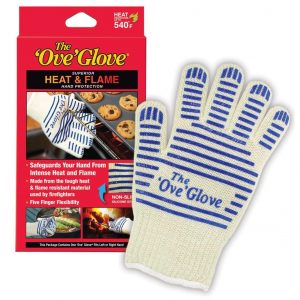
Never burn your hands again while cooking!

Understanding Silicone Bakeware
Switching to silicone bakeware can change your baking game, but it’s crucial to weigh the options. Understanding its pros and cons helps you make the right choice.
Pros and Cons of Silicone Molds
Silicone molds bring several benefits to your baking routine. They’re flexible and offer non-stick properties, which means your chocolate cake comes out smoothly. Plus, they’re easy to clean—just pop them in the dishwasher. Silicone is also durable and can handle a wide range of temperatures, making it versatile for different recipes.
However, silicone isn’t perfect. It can be unstable when placed on a baking rack, sometimes causing uneven baking. The material might also retain odors if not cleaned properly. Another thing to watch out for is that it might need extra support, like a baking sheet, to prevent spills. For a more detailed look at silicone molds, visit Martha Stewart’s guide.
Flexibility Enhances Release and Cleanup
The flexibility of silicone molds makes cake release a breeze. Imagine pulling out a perfectly shaped cake without any residue left behind. This flexibility also means you can twist and bend the mold slightly to help release your cake without cracking it. Cleanup is fast, too. You can rinse it or toss it in the dishwasher. However, ensure you dry it well to avoid any lingering odors. For more tips on using silicone molds, see this ultimate guide.
Temperature Tips for Chocolate Cake
Getting the temperature right is vital for a perfect chocolate cake. Let’s explore the adjustments that ensure even baking.
Adjustments for Even Baking
Silicone doesn’t conduct heat as efficiently as metal, so you need to make some tweaks. First, preheat your oven slightly longer to ensure it’s at the right temperature when you start baking. Using a baking sheet under your silicone mold can help distribute heat more evenly. A community of baking enthusiasts suggests checking your cake frequently to avoid overbaking.
Ideal Baking Temperatures
When baking with silicone, aim for 25 degrees lower than you’d typically use with metal pans. This adjustment accounts for slower heat transfer. For a chocolate cake, set your oven to around 325°F instead of the usual 350°F. This ensures your cake cooks evenly without burning the edges. Remember, every oven is different, so monitor your cake closely.
Perfect Cake Release Techniques
Ready to take your cake out of the mold? Here are some foolproof techniques to keep your cake intact and looking stunning.
Foolproof Release Methods
Releasing a cake from a silicone mold is simpler than you might think. Once your cake cools, gently peel the silicone away from the edges. Don’t rush; take your time to avoid damaging the cake. If it’s a bit stubborn, you can refrigerate it for a few minutes to firm it up. This makes it easier to handle. Watch a video tutorial on YouTube for a visual guide.
Maintaining Cake Structure
Preserving your cake’s structure is all about patience. Allow your cake to cool completely in the mold before attempting removal. This gives the cake time to set, reducing the chance of crumbling. If you’re in a hurry, place it in the fridge for faster cooling. When you’re ready, gently invert the mold onto a plate, and let gravity do its work. Your cake will slide out effortlessly, maintaining its perfect shape.
By embracing these tips, you ensure each cake comes out flawless and ready to impress. The longer you wait to try silicone bakeware, the more baking opportunities you’ll miss!
Never burn your hands again while cooking!
Best Oven Gloves for Pizza Ovens and Pizza Stones
Best Oven Gloves for Pizza Ovens and Pizza Stones Handling a blazing hot pizza oven or stone without the right gear can turn your pizza night into a painful mess. The best oven gloves are more than just heat resistant; they offer the flexibility and grip you need to slide [...]
Best Oven Gloves for Handling Cast Iron Pans
Best Oven Gloves for Handling Cast Iron Pans Handling cast iron pans without the right oven gloves can turn your kitchen into a danger zone. Their intense heat retention and weight demand gloves that offer more than basic protection. In this post, you'll find out what makes the best oven [...]
Essential Tips for Preventing Steam Burns
Mastering Kitchen Safety: Essential Tips for Preventing Steam Burns Steam from your slow cooker can be more dangerous than you think. Many home cooks overlook how quickly built-up pressure can cause sudden steam release, leading to painful steam burns. In this post, you’ll learn essential slow cooker safety tips to [...]
Effective Strategies for Preventing Kitchen Injuries in Kids
Cook Safe: Effective Strategies for Preventing Kitchen Injuries in Kids Kids and kitchens don’t always mix well, especially when it comes to burns. Their natural curiosity and shorter height put them closer to hot surfaces and open flames, making kitchen burns prevention a must for every parent. You’ll find out [...]
How to Safely Remove Food from the Oven
Avoid Kitchen Accidents: How to Safely Remove Food from the Oven Rushing to pull food from the oven turns a simple task into a recipe for kitchen accidents. In the blink of an eye, you can suffer burns or spill hot dishes that take hours to prepare. Taking a moment [...]
Essential Tips for Safe Pan Rotation
Mastering Convection Ovens: Essential Tips for Safe Pan Rotation Rotating pans in a convection oven isn’t just about turning them around. You risk uneven cooking or worse, burns if you don’t handle your pans right. With the right convection oven tips, you’ll learn how to rotate pans safely while using [...]


