
How to Choose the Best Oven Mitt for Your Kitchen
Most oven mitts promise protection, but many fall short when it really counts. You’ve probably felt that quick burn or struggled with a mitt that’s too stiff or slips off your hand. Finding the best oven mitt means looking beyond style to materials, fit, and design that keep you safe and comfortable. Let’s break down the must-know oven mitt features to help you pick the right cookware accessory for your kitchen. Check out these essential tips for preventing steam burns.

Get FREE shipping on the Ove Glove today!
Understanding Oven Mitt Materials
When it comes to picking the best oven mitt, materials play a key role in performance. The right material not only offers protection but also enhances your cooking experience.
Heat Resistance and Protection
The primary function of an oven mitt is to protect your hands from high temperatures. Materials like silicone, aramid fibers, and heavy-duty cotton are popular for their heat resistance. Silicone mitts are a great choice for handling hot items as they can withstand temperatures up to 500°F. Aramid fibers, found in products like Ove Glove oven mitts, offer advanced heat protection, making them ideal for serious cooks. Cotton mitts, while not as heat resistant as silicone or aramid, provide adequate protection for everyday tasks.
Comfort and Ease of Use
Comfort is vital when using oven mitts frequently. Silicone mitts are flexible, allowing for a comfortable fit, while cotton mitts are plush, providing a cozy feel. Choose a mitt that feels good in your hand, allowing you to move easily without sacrificing grip. A soft lining, like cotton or terry, adds comfort and helps wick away moisture.
Durability and Longevity
Investing in a durable oven mitt saves you money and frustration. Look for reinforced stitching and quality materials that resist wear and tear. Silicone mitts are known for their durability, lasting through countless kitchen adventures without losing their shape. If you prefer fabric, ensure it is thick and well-constructed to withstand repeated use.
Essential Oven Mitt Features
While materials are crucial, other features determine how well an oven mitt performs. Discover what to look for to ensure you’re choosing a mitt that meets your needs.
Optimal Length for Safety
A longer mitt protects not just your hands but also your wrists and lower arms. Aim for mitts that extend at least 12 inches past your wrist to prevent burns from reaching deeper into the oven. For those who frequently bake or handle large cookware, an extended length is particularly beneficial.
Importance of Lining Materials
The lining inside an oven mitt impacts both comfort and safety. Cotton lining provides softness and absorbs sweat, keeping your hands dry. For those who need extra heat protection, mitts featuring aramid fiber linings are ideal. These linings are specifically designed to shield against high temperatures, making them suitable for tasks like handling cast iron pans.
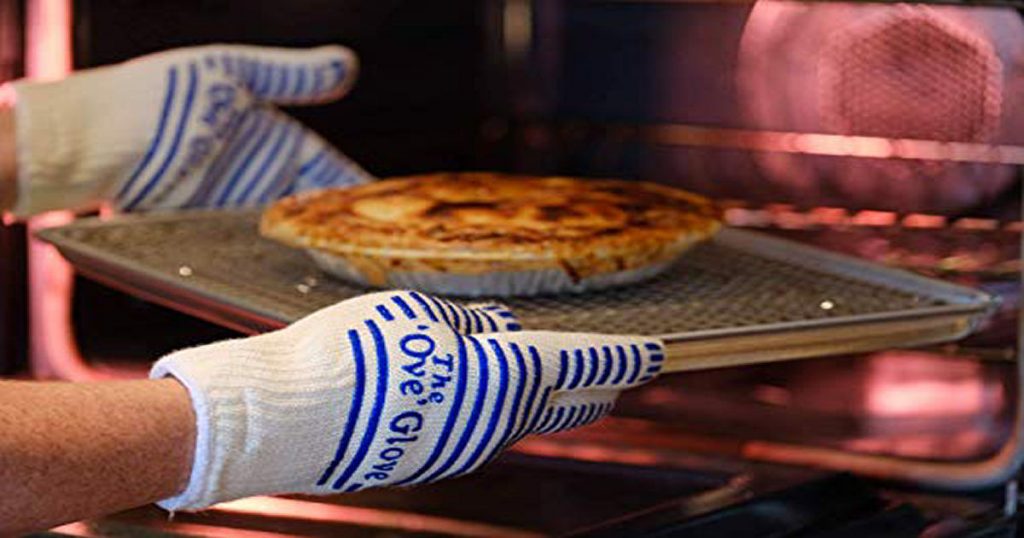
Keep your hands safe while cooking! Order today!
Design Considerations for Grip
Grip is essential to prevent accidents. Look for mitts with textured surfaces or silicone patterns that enhance grip. This feature is particularly important when dealing with slippery cookware. A mitt with a secure grip ensures you can handle hot dishes confidently and safely.
Ensuring the Right Fit
A well-fitting oven mitt makes all the difference in the kitchen. Let’s explore how to find mitts that offer both comfort and functionality.
Assessing Size and Comfort
The best oven mitt should fit snugly without being too tight. A good fit allows for dexterity, letting you handle tasks easily. When trying on mitts, ensure your fingers can move freely, and the mitt doesn’t slip off. Comfort is key, so choose a size that feels right for your hands.
Evaluating Grip and Flexibility
Flexibility is crucial for performing tasks efficiently. A flexible mitt lets you grip items securely without straining your hand. Look for mitts made from materials like silicone, which offer both grip and flexibility. This combination allows you to move confidently and safely in the kitchen.
Tips for Kitchen Safety
Staying safe in the kitchen is as important as creating delicious meals. Here are some tips to help you avoid common kitchen mishaps.
Preventing Burns and Accidents
Burns are a common kitchen injury, but they can be avoided with proper precautions. Always use mitts when handling hot items and make sure they’re dry to prevent heat transfer. Keep a fire extinguisher handy and be aware of your surroundings when cooking. For more tips, explore these effective strategies for preventing kitchen injuries in kids.
Enhancing Cooking Efficiency
Efficiency in the kitchen means having the right tools at your fingertips. Keep mitts easily accessible, ideally near your oven or stove. This ensures you can quickly grab them when needed, reducing the risk of burns. Organizing your kitchen tools can significantly streamline your cooking process.
Choosing the Best Oven Mitt
With a clear understanding of what to look for, you’re ready to choose the oven mitt that best suits your needs.
Matching Mitts to Cooking Style
Identify your cooking habits to choose the best oven mitt. If you frequently bake at high temperatures, consider mitts made from aramid fibers for superior heat protection. For grilling or working with pizza stones, opt for mitts like those recommended in this guide for pizza ovens. Choose a mitt that complements your style and enhances your safety.
Balancing Style and Function
While function is crucial, style can also play a role in your decision. Select mitts that match your kitchen decor or personal taste without compromising on key features like heat resistance and grip. The ideal mitt combines both style and function, adding flair to your kitchen while keeping you safe.
Frequently Asked Questions
What materials provide the best heat resistance in oven mitts?
Silicone, aramid fibers, and heavy-duty cotton are excellent for heat resistance. Silicone can handle temperatures up to 500°F, while aramid fibers offer advanced protection for high-temperature cooking.
How do I ensure my oven mitts are durable?
Check for reinforced stitching and quality materials. Silicone mitts are particularly durable, but if you prefer fabric, ensure it is thick and well-constructed to withstand repeated use.
Why is grip important in oven mitts?
Grip is essential to prevent accidents. Textured surfaces or silicone patterns enhance grip, ensuring you can handle hot dishes confidently and safely.
How can I improve kitchen safety while cooking?
Always use mitts when handling hot items and ensure they’re dry. Keep a fire extinguisher handy and be aware of your surroundings to avoid accidents.
What length should I consider for oven mitts?
Aim for mitts that extend at least 12 inches past your wrist to protect your hands, wrists, and lower arms from burns. An extended length is beneficial for those who frequently bake or handle large cookware.


All major credit cards accepted
Free Shipping – Order – Track Order – Contact Us
Cooking Tips for Every New Chef
Beginner's Guide to Cast Iron Skillet Safety: Cooking Tips for Every New Chef Most new chefs underestimate how tricky cast iron skillet safety can be. You might think using an oven glove is enough, but there’s more to skillet maintenance and cast iron care than just protection. This guide offers [...]
Prevent Burns with These Easy Steps
Mastering Pizza Stone Removal: Prevent Burns with These Easy Steps Removing a hot pizza stone can feel like walking a tightrope—you want your pizza perfect, but one wrong move and you risk a painful burn. Many pizza lovers struggle with how to remove pizza stone safely without fumbling or cracking [...]
The Role of Heat-Resistant Gloves and More
Mastering Kitchen Safety: The Role of Heat-Resistant Gloves and More Oven burns remain one of the top hazards in busy kitchens, putting your team at risk every day. Restaurants that take kitchen safety seriously don’t leave protection to chance—they equip staff with heat-resistant gloves and train them in safe oven [...]
Understanding Skin Burn Temperatures and Prevention
Kitchen Safety Tips: Understanding Skin Burn Temperatures and Prevention Burns in the kitchen happen faster than most people think, and knowing the exact skin burns temperatures can save you from painful mistakes. From hot oil hazards to steaming pots, everyday cooking hazards can cause serious first, second, or third degree [...]
Essential Tips to Prevent Baking Burns and Keep Your Hands Safe
Hot Oven Safety: Essential Tips to Prevent Baking Burns and Keep Your Hands Safe Burns in the kitchen happen more often than most home bakers realize. A quick reach into a hot oven or a misplaced pan can lead to painful baking burns before you even notice. This post breaks [...]
Why Your Kitchen Needs Heat Resistant Pot Holders for Safety
Why Your Kitchen Needs Heat Resistant Pot Holders for Safety Thin pot holders might seem convenient, but they can put your hands at serious risk during high temperature cooking. Many thin designs use materials that barely block heat, setting the stage for burns and cooking accidents. Choosing heat resistant pot [...]


