
The Dangers of Oven Overcrowding: How to Cook Safely and Avoid Kitchen Catastrophes
Stuffing your oven with too many dishes might seem like a time-saver, but it often backfires. Overcrowding blocks air flow, creating oven hot spots that burn some meals while leaving others undercooked. If you want to avoid uneven cooking and reduce fire hazards in kitchen spaces, learning proper spatial arrangement in oven use is key. Keep reading for practical oven cooking tips that protect your food and your home. For more on kitchen safety, visit this resource.

Get FREE shipping on the Ove Glove today!
Understanding Oven Overcrowding
Have you ever been tempted to load your oven to its limit? Many people think it saves time, but that’s not always true.
Common Misconceptions About Oven Use
You might believe that cramming your oven full will make meal prep faster. In reality, it can lead to uneven cooking. When too many dishes are packed together, air cannot circulate properly. This can result in some food being overcooked while other dishes remain undercooked. You might end up needing to redo some parts of your meal, which defeats the purpose of saving time.
Another misconception is that a full oven uses less energy. Actually, overcrowding can cause your oven to work harder, increasing energy consumption. This extra effort doesn’t just affect your electricity bill; it can also shorten the life of your appliance. So, while it might seem like you’re being efficient, you’re actually doing the opposite.
Why Proper Spacing Matters
Proper spacing in your oven ensures that air flows evenly around each dish. This results in consistent cooking temperatures. When food is spaced correctly, you are more likely to achieve the delicious results you’re aiming for. Proper spacing also helps maintain the quality of your dishes. For example, baked goods rise better and meats cook thoroughly when not crowded.
Creating space between dishes reduces the risk of spills and splatters. This is essential for preventing messy clean-ups and potential hazards. If you’re interested in safe cooking practices, understanding why spacing matters can make all the difference.
Risks of Overcrowding Your Oven
Misusing your oven can lead to more than just poorly cooked meals. The risks can extend to serious safety concerns.
Uneven Cooking and Hot Spots
When oven overcrowding happens, it creates hot spots. These are areas where the heat is trapped, often leading to burned sections of your meal. A dish with a burnt top and an undercooked center is not only unappetizing but also unsafe to eat. Imagine baking cookies: while some are burnt, others might still be doughy.
Hot spots aren’t just about taste. Consuming undercooked food can cause health issues. The dangers of uneven cooking shouldn’t be underestimated. To read more about uneven cooking, visit this Reddit discussion.
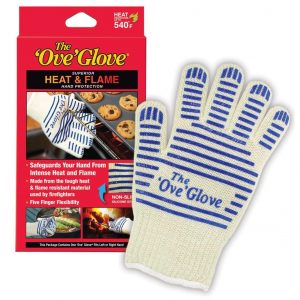
Protect your hands while cooking with the Ove Glove
Fire Hazards and Safety Concerns
Overcrowding poses fire risks. When dishes are too close together, there’s a chance of spills or splatters igniting. This can quickly turn into a dangerous situation. Many kitchen fires start this way, highlighting the need for caution. According to the NFPA, cooking is a leading cause of home fires.
To prevent hazards, always ensure that your oven is not overloaded. Be mindful of the potential for spills, which can cause smoke or flames. For more safety tips, you can check out this page.
Techniques for Safe Oven Cooking
Staying safe in the kitchen requires knowledge and practice. Here are some techniques to help you cook safely.
Effective Spatial Arrangement in Oven
Arranging your dishes with care is key to preventing issues. Here are a few steps to ensure effective spatial arrangement:
-
Leave Space: Aim for at least an inch between dishes. This allows air to flow freely.
-
Use Multiple Racks: If possible, spread dishes over multiple racks instead of stacking them.
-
Turn and Rotate: During cooking, rotate dishes to promote even heat exposure.
These steps can help you avoid the pitfalls of overcrowding. When dishes are arranged well, you reduce the risk of uneven cooking and improve overall meal quality.
Mastering Cooking Safety Practices
Safety in the kitchen starts with good habits. Always preheat your oven before placing any dishes inside. This ensures that the temperature is consistent from the start. Regularly check on your food to prevent unexpected burning.
Use timers to keep track of cooking times. This simple practice can save you from overcooked or burned meals. For more kitchen safety tips, you can follow this post.
Achieving Optimal Cooking Results
Once you understand the methods, getting the best results becomes much easier.
Practical Oven Cooking Tips
Here are some practical tips to guide you:
-
Know Your Oven: Each oven is different. Become familiar with your appliance’s heat distribution.
-
Check and Adjust: Use an oven thermometer to verify your oven’s temperature.
-
Experiment Wisely: Try new recipes but be mindful of spacing and arrangement.
These tips can make a big difference in your cooking outcomes. With practice, you’ll be able to achieve consistent and delicious results.
Preventing Cooking Disasters
Preventing cooking disasters starts with preparation. Always plan your meals, taking note of cooking times and temperatures. If a recipe calls for multiple dishes, consider cooking in batches.
Remember that the longer you wait to adopt good practices, the higher the risk of a mishap. By staying proactive, you can avoid common pitfalls and enjoy a safer cooking environment.
Tools and Accessories for Safety
Using the right tools can significantly enhance your kitchen safety.
Benefits of Using an Oven Glove
An oven glove is more than just a protective layer. It’s a vital tool for handling hot dishes safely. Unlike regular fabric mitts, oven gloves offer better heat resistance and grip. This reduces the chance of accidental burns or spills.
Wearing an oven glove can provide you with confidence when moving dishes in and out of the oven. This simple addition to your kitchen gear can make cooking safer and more enjoyable.
Must-Have Kitchen Safety Gear
Other essential kitchen safety gear includes:
-
Fire Extinguisher: Always have one nearby for emergencies.
-
Smoke Detector: Ensure it’s functioning to alert you to any dangers.
-
Oven Thermometer: Keeps your cooking temperatures accurate.
These tools can help maintain a secure cooking environment. By equipping your kitchen with the right gear, you minimize risks and ensure a safer space for culinary adventures.
In conclusion, understanding and applying these techniques can transform your cooking experiences. Prioritize safety and organization to enjoy delicious meals without the stress of potential disasters.


All major credit cards accepted
Free Shipping – Order – Track Order – Contact Us
The Complete Guide to Oven Mitts and Heat Resistant Gloves
The Complete Guide to Oven Mitts and Heat Resistant Gloves Burning your hands while cooking is more common than you think, and the wrong oven mitts only make it worse. You want hand protection that feels comfortable but actually keeps heat at bay, whether you're baking, grilling, or frying. This [...]
Best Oven Mitts for Baking
Best Oven Mitts for Baking Most oven mitts promise protection, but many fail when heat spikes in the kitchen. You need gear that stays cool, grips tight, and feels good on your hands. This guide on the best oven mitts for baking breaks down top rated options with real user [...]
How to Clean Oven Mitts and Keep Them Fresh
How to Clean Oven Mitts and Keep Them Fresh Oven mitts are some of the hardest-working tools in your kitchen, but they rarely get the attention they deserve. Over time, they pick up stains, odors, and grime that can make cooking less pleasant and less safe. Learning how to clean [...]
Best Oven Mitts for Pizza Ovens
Best Oven Mitts for Pizza Ovens Handling a pizza oven without the right gear can quickly lead to burns or dropped pies. When temperatures soar, your regular kitchen mitts won’t cut it—you need the best oven mitts designed specifically for pizza ovens. From extra-long heat resistant mitts to grips that [...]
How Often Should You Replace Your Oven Mitts?
How Often Should You Replace Your Oven Mitts? Oven mitts don’t last forever, but most people don’t know when to replace them. If your mitts show frayed fabric, strange smells, or feel less heat resistant, they might be putting you at risk. Knowing the signs of worn oven mitts and [...]
Heat Resistant Gloves: What Temperature Can They Handle?
Heat Resistant Gloves: What Temperature Can They Handle? Most heat resistant gloves claim to protect you from extreme temperatures, but can they really handle the heat you face every day? Choosing the wrong pair could leave you burned or limit your grip when you need control. This post breaks down [...]


