
How to Handle a Cast Iron Skillet Safely When It’s Hot
Handling a hot cast iron skillet can feel like walking a tightrope without a safety net. One wrong move, and you risk burns or spills that ruin your cooking flow. This guide will share practical cooking safety tips and how to handle hot cookware with confidence using simple tools like heat-resistant gloves and smart lifting methods. Stick around to learn how to protect yourself and keep your skillet in top shape every time you cook. For more information on the best oven gloves for handling cast iron pans, check out this link.

Get FREE shipping on the Ove Glove today!
Essential Safety Tools
First things first: let’s equip you with tools that keep your hands safe and your cooking smooth.
Heat-Resistant Gloves
Heat-resistant gloves are a must for anyone using a cast iron skillet. These gloves provide a solid grip and protect your hands from temperatures up to 540 degrees Fahrenheit. They allow you to handle your cookware safely and confidently.
By wearing these gloves, you prevent burns and ensure that handling hot items becomes a breeze. Most people overlook this simple tool, but it can be a game changer in maintaining kitchen safety. You can find effective oven gloves that suit your needs online.
Silicone Handle Covers
Silicone handle covers fit snugly over the handle of your skillet, providing an extra layer of protection. They are designed to withstand high temperatures and offer a firm grip, reducing the risk of dropping the pan.
This affordable tool not only safeguards your hands but also enhances your cooking experience by allowing safe maneuvering of the skillet. Many home cooks find these covers indispensable once they try them.
Safe Lifting Techniques
Proper lifting techniques are crucial to avoid spills and injuries. Always use both hands when lifting, and support the skillet from the bottom. This method distributes the weight evenly, preventing strain on your wrists.
When you lift correctly, you minimize the risk of accidents. It’s a simple adjustment that makes a significant difference in handling your cookware. Remember, taking an extra second to lift carefully can save you from potential mishaps.
Proper Handling Techniques
Now, let’s explore the art of handling your cast iron skillet without any mishaps.
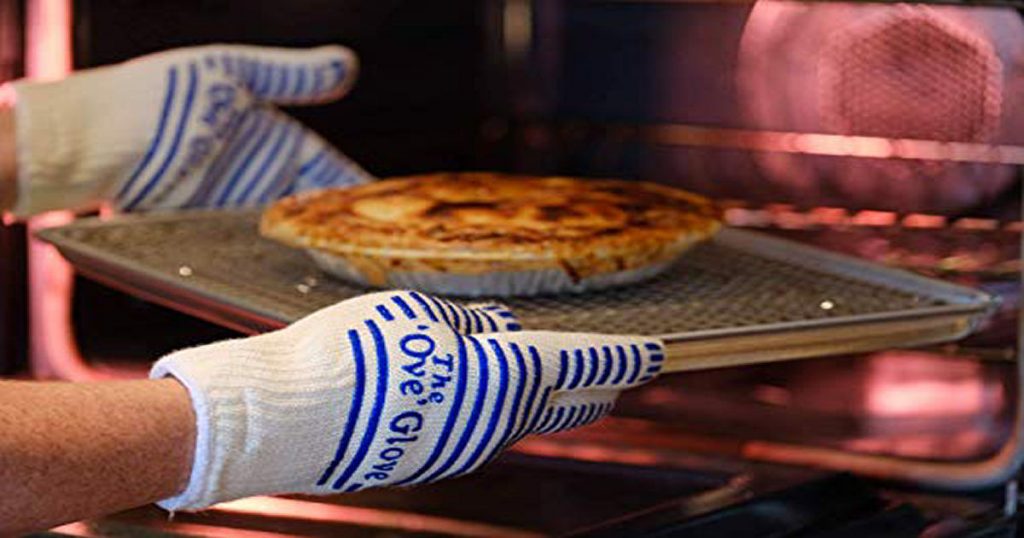
Keep your hands safe while cooking! Order today!
Preventing Burns and Spills
Burns and spills are common but avoidable with the right approach. Use your heat-resistant gloves and silicone handle covers together for maximum safety. Always check for any oil spillage before moving the skillet.
Keeping your workspace organized further helps in reducing spills. Cluttered spaces lead to accidents. Make it a practice to clear the area around your stove before you start cooking.
Lifting Heavy Skillets
Handling heavy skillets requires technique. Bend your knees slightly and use your legs to lift, rather than your back. This method is not only safer but also prevents muscle strains.
Employing the right technique ensures you maintain control over the skillet, reducing the risk of dropping it. As a bonus, you’ll notice less fatigue when cooking for longer periods.
Moving Hot Cookware
When moving hot cookware, visualize your path and ensure it’s clear. Communicate with others in the kitchen to avoid collisions. Keep children away from the cooking area at all times.
By planning your movements, you maintain safety in the kitchen. This simple step is often overlooked, but it significantly reduces the likelihood of accidents.
Safe Placement Practices
Once your dish is ready, where you place your skillet matters. Let’s make sure it’s done safely.
Stovetop Safety Tips
While cooking, keep the handles turned inward and away from the edge of the stove. This reduces the chance of knocking the skillet over.
By adopting this practice, you create a safer cooking environment. It’s an easy habit that pays off in preventing kitchen mishaps.
Dining Table Precautions
When serving, place a trivet under your skillet. This protects your table from heat damage and stabilizes the skillet, preventing it from sliding.
Ensuring your tableware’s safety adds an extra layer of protection. It’s a small step that enhances the dining experience without risking any accidents.
Avoiding Temperature Shocks
Avoid placing a hot skillet on a cold surface. This can cause the skillet to crack. Use a trivet or a thick cloth to allow it to cool gradually.
By preventing temperature shocks, you maintain the longevity of your skillet. It’s a simple way to ensure your cookware remains in top condition.
Cast Iron Skillet Maintenance
Keeping your skillet in prime condition requires a bit of know-how. Let’s break it down.
Cleaning While Hot
Wash your skillet with warm water while it’s still hot. Avoid using soap, as it can strip away the seasoning. A stiff brush is usually sufficient.
By cleaning promptly, you prevent food from sticking and maintain the skillet’s quality. It’s a straightforward habit that prolongs the life of your cookware.
Seasoning After Use
Seasoning your skillet involves applying a thin layer of oil and heating it. This process creates a protective layer that prevents rust.
Regular seasoning keeps your skillet non-stick and enhances its performance. It’s a small investment of time for long-lasting benefits.
Storing Your Skillet Safely
Store your skillet in a dry place. Ensure it’s completely dry before putting it away to avoid rust. Stacking it with other pans can lead to scratches.
Proper storage practices maintain your skillet’s integrity. It’s a simple step that ensures your cookware remains in excellent condition for years to come.
Frequently Asked Questions
Q: What’s the best way to clean a cast iron skillet?
A: Clean it with warm water and a stiff brush while it’s still hot. Avoid soap to maintain the seasoning.
Q: How often should I season my cast iron skillet?
A: Season your skillet after each use to maintain its non-stick surface and prevent rust.
Q: Can I use metal utensils with my cast iron skillet?
A: Yes, cast iron is durable, and metal utensils won’t damage it. However, wooden or silicone utensils can help preserve the seasoning.
By following these tips, you can confidently handle your cast iron skillet and enjoy cooking safely.


All major credit cards accepted
Free Shipping – Order – Track Order – Contact Us
Essential Kitchen Safety Tips for Preventing Burns
Protect Your Home: Essential Kitchen Safety Tips for Preventing Burns Most home cooks focus on stovetops and ovens when thinking about kitchen safety, but there’s a hidden danger many miss: hot cabinet doors. These surfaces can heat up enough to cause painful burns without warning. By spotting how heat travels [...]
Tips to Prevent Common Kitchen Injuries
Safeguard Your Culinary Space: Tips to Prevent Common Kitchen Injuries Every year, thousands end up in the ER because of kitchen accidents that sneak up on even the most careful cooks. You might think a quick slice or a minor spill won’t cause trouble, but preventing burns, slips, and knife [...]
What Every Home Cook Needs to Know
Understanding Thermal Resistance: What Every Home Cook Needs to Know Most oven gloves fail when temperatures soar above 400 degrees. You don’t have to settle for burned hands or ruined meals. Understanding thermal resistance and the role of heat resistant materials like silicone cooking utensils, aramid fibers, and cotton insulation [...]
A Guide for Safe Cooking and Material Choices
Why Kitchen Surfaces Retain Heat: A Guide for Safe Cooking and Material Choices Some kitchen surfaces hold heat so long, they could burn you long after the stove is off. Knowing why this happens can save you from painful accidents and help you choose materials that suit your cooking style. [...]
Why Metal Racks Cause Severe Cooking Injuries
Understanding Heat Retention: Why Metal Racks Cause Severe Cooking Injuries Oven rack burns catch many home cooks off guard because these thin metal racks hold intense heat long after the oven is off. When your forearm or hand brushes against one, the pain can be far worse than you expect. [...]
How to Cook Safely and Avoid Kitchen Catastrophes
The Dangers of Oven Overcrowding: How to Cook Safely and Avoid Kitchen Catastrophes Stuffing your oven with too many dishes might seem like a time-saver, but it often backfires. Overcrowding blocks air flow, creating oven hot spots that burn some meals while leaving others undercooked. If you want to avoid [...]


