
How to Prevent Burns When Taking Food Out of the Oven
Burns in the kitchen happen more often than you think, especially when handling hot dishes straight from the oven. If you’ve ever flinched from a sudden steam burst or struggled with slippery mitts, you’re not alone. This post shares practical oven safety tips to prevent burns in kitchen moments, from choosing the right oven mitts to smart kitchen organization and steam release precautions. Keep reading to learn how to remove hot dishes safely and protect your hands every time.

Get FREE shipping on the Ove Glove today!
Essential Oven Safety Tips
Keeping yourself safe in the kitchen starts with understanding your tools and environment. Here are vital tips to ensure your hands remain burn-free.
Proper Use of Oven Mitts
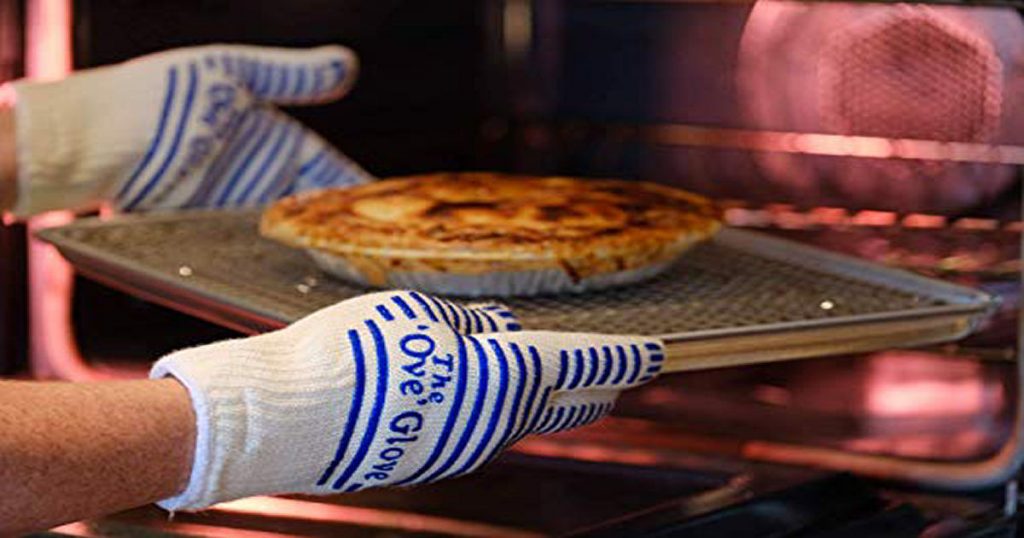
Oven mitts are your first line of defense against burns, but only if used correctly. Make sure they’re dry and well-insulated. Wet mitts conduct heat, increasing burn risk. Pick mitts that cover wrists and forearms, shielding them from unexpected heat. Explore the best oven gloves for handling cast iron pans here.
Gripping is just as crucial. Mitts should fit snugly, allowing a firm grasp on heavy dishes. Avoid slippery materials; a good grip prevents accidents. When removing items from the oven, use both hands for balance and control. This ensures you handle the weight safely and reduces strain on your wrists.
Anticipating Hot Surfaces
Anticipate any surface as hot when cooking. Always assume the baking tray or dish has retained heat after leaving the oven. Test with a quick hand hover — never touch directly. Keep towels and mitts accessible to protect your skin.
Place items on heat-safe surfaces immediately. This prevents damage to countertops and accidental burns. Remember, even handles can be deceptively dangerous. Use mitts when adjusting racks or repositioning dishes.
Keep your hands safe while cooking! Order today!
Steam Release Precautions
Steam burns can be more severe than contact burns. When lifting lids or opening foil, angle openings away from your face and body. Quick releases can disperse hot steam in unexpected directions. Check out these essential tips for preventing steam burns.
Use tools designed to vent steam safely, like steam-release lids or specialized gloves. Newer cookware designs often include built-in vents. Position these away from yourself to avoid accidental exposure.
Kitchen Organization for Safety
A well-organized kitchen minimizes risks. Here’s how to set up your space for maximum safety.
Avoiding Spills and Clutter
Clutter in the kitchen can lead to spills and accidents. Keep countertops clear and prioritize space for hot dishes. Use dedicated spots for baking trays and pots to ensure they’re stable and accessible.
Regularly clean spills to prevent slip hazards. Sticky or greasy floors can cause slips and falls, especially when carrying hot items. Implement a quick clean-up routine to maintain a safe cooking environment.
Strategic Placement of Tools
Place your tools thoughtfully. Keep mitts and utensils near the oven for easy access. This reduces the frantic search for protection when you need it most. Consider hooks or a wall-mounted organizer for easy reach.
Store pots and pans within arm’s reach of the stove. This minimizes unnecessary movement with hot items. Optimal placement of tools ensures you can focus on cooking, not finding equipment.
Clear Pathways in the Kitchen
Clear pathways reduce the risk of tripping while holding hot dishes. Regularly check your floor for obstacles or misplaced items. A clear walkway is vital for both safety and efficiency.
Encourage household members to keep the kitchen tidy. Make it a shared responsibility to maintain a safe environment for everyone. Simple habits like returning items to their place can prevent accidents.
Tools to Prevent Burns
Using the right tools can significantly lower burn risks. Here’s what you need.
Oven Mitt Safety Essentials
Good oven mitts are indispensable. Look for materials that withstand high temperatures and provide ample coverage. Brands like Ove Glove offer reliable protection.
Consider mitts with silicone grips to prevent slips. They’re durable and provide better dexterity. Regularly inspect your mitts for wear and tear and replace them when they lose insulation.
Utilizing Hot Pads and Trivets
Hot pads and trivets are key for protecting surfaces and hands. Use them under hot dishes to avoid direct contact with tables or countertops. Choose ones that are heat-resistant and easy to clean.
Store these tools near cooking areas for convenient access. Their strategic placement ensures you never scramble when you need them most.
Safe Handling Accessories
Accessories like pot holders and heat-resistant tongs are invaluable. They provide extra grip and distance from hot surfaces. Invest in quality items that withstand high temperatures.
Keep these tools within reach, especially when cooking complex dishes. Their availability can make the difference between a safe experience and a painful one.
Common Mistakes to Avoid
Avoiding burns requires awareness of common pitfalls. Here’s what to watch for.
Misjudging Hotness Levels
Never underestimate how hot surfaces can get. Always test heat levels before handling. Use a thermometer for exact measurements if needed. This small step can prevent major accidents.
When in doubt, use protective gear. It’s better to be over-prepared than suffer from a simple oversight. Cultivating caution with heat is a valuable habit in the kitchen.
Improper Handling of Dishes
Handling dishes improperly is a frequent mistake. Always use two hands to lift and carry, ensuring even weight distribution. This prevents spills and potential burns.
Practice mindful handling. Slow and steady movements reduce risk. Remember, haste often leads to accidents, especially in the kitchen.
Overlooking Steam Hazards
Steam hazards are often overlooked. Awareness is crucial when cooking with liquids. Position yourself away from potential steam bursts and use tools to lift lids safely.
Equip your kitchen with steam-release accessories. They provide a controlled way to manage steam, reducing burn risks significantly.
Enhancing Your Cooking Experience
Cooking should be enjoyable and safe. Here’s how to boost your confidence in the kitchen.
Confidence in the Kitchen
Confidence grows with practice and knowledge. As you apply these tips, you’ll feel more assured in your cooking abilities. Familiarity with tools and safety measures builds this confidence naturally.
Share your knowledge with family members. Teaching others reinforces your understanding and creates a safer kitchen for all.
Aspiring for Safety and Efficiency
Safety and efficiency go hand in hand. An organized kitchen allows you to focus on cooking rather than potential hazards. With these practices, you’ll find cooking more enjoyable and less stressful.
Embrace the balance of speed and safety. Rushing leads to mistakes, while steady preparation ensures delicious, safely-prepared meals.
Empowering Safe Cooking Practices
Empower yourself with safe cooking practices. Regularly update your skills and equipment to match the latest safety standards. Knowledge is the best tool in preventing accidents.
Encourage others to adopt these habits. A culture of safety benefits everyone, making the kitchen a welcoming space for all. Feel empowered as you take control of your cooking environment.
Frequently Asked Questions
How can I prevent burns in the kitchen?
Use the right tools like oven mitts and hot pads. Keep pathways clear and organize your kitchen for accessibility. Ensure you understand the heat level of surfaces before handling them.
What are the best oven mitts for safety?
Choose mitts that cover wrists and forearms. Look for materials resistant to high temperatures. Brands like Ove Glove offer excellent options.
How do I manage steam burns?
Angle lids away from your body when lifting. Use steam-release accessories to control steam safely. Maintain awareness of steam hazards throughout cooking.
What should I do if I burn myself?
Immediately cool the burn with running water. Avoid applying ice directly. If the burn is severe, seek medical attention quickly.
How can kitchen organization improve safety?
A tidy kitchen reduces trip hazards and makes tools easily accessible. Clear countertops and strategic placement of items support a safe cooking environment.


All major credit cards accepted
Free Shipping – Order – Track Order – Contact Us
How to Safely Remove Food from the Oven
Avoid Kitchen Accidents: How to Safely Remove Food from the Oven Rushing to pull food from the oven turns a simple task into a recipe for kitchen accidents. In the blink of an eye, you can suffer burns or spill hot dishes that take hours to prepare. Taking a moment [...]
Essential Tips for Safe Pan Rotation
Mastering Convection Ovens: Essential Tips for Safe Pan Rotation Rotating pans in a convection oven isn’t just about turning them around. You risk uneven cooking or worse, burns if you don’t handle your pans right. With the right convection oven tips, you’ll learn how to rotate pans safely while using [...]
Why Handles Stay Hot and How to Manage Pan Heat
The Science Behind Cast Iron Cookware: Why Handles Stay Hot and How to Manage Pan Heat Cast iron cookware holds onto heat like few other pans do, but that means the handles stay hot long after you’ve taken them out of the oven. Many home cooks don’t realize how strong [...]
Essential Tips for Handling Hot Pans
Mastering Sheet Pan Safety: Essential Tips for Handling Hot Pans Dropping a hot sheet pan is more common than you think—and the cleanup isn’t the worst part. Burns and kitchen accidents happen fast when you don’t have the right grip or tools in hand. This guide on sheet pan safety [...]
Safely Handling 500-Degree Pizza Ovens
Baking Tips from the Pros: Safely Handling 500-Degree Pizza Ovens Handling a 500-degree pizza oven is no small task, especially when you’re passionate about homemade pizza and artisan baking. Most home cooks underestimate how tricky oven temperatures this high can be, risking burns or ruined pies. Knowing the right baking [...]
The Best Oven Mitts for Dutch Oven Handling
The Best Oven Mitts for Dutch Oven Handling Moving a hot Dutch oven without the right gear can turn a simple meal into a risky mess. If you’ve ever burned your hands or spilled food trying to carry one, you know the frustration all too well. This guide will show [...]


