Cooking with Confidence: How to Prevent Oven Accidents at Home
More oven accidents happen in homes every year than you might expect. These incidents aren’t just about burns or spills—they can cause serious harm and disrupt your daily routine. By focusing on oven accident prevention, you’ll learn what common mistakes lead to trouble and how simple kitchen safety tips can keep you and your loved ones safe. Ready to change the way you cook? Learn more about cooking safety here.

Understanding Oven Accidents
When thinking about what’s cooking, the last thing you want is an unexpected disaster. Let’s explore the causes behind these incidents before diving into solutions.
Common Causes and Triggers
Many accidents start with simple oversights. Leaving the oven unattended is one frequent culprit. Loose clothing can also catch fire if you’re not careful. 39% of home fires begin in the kitchen.
Another cause is putting items in the oven that aren’t oven-safe. Take a moment to check labels, because some materials can ignite. Finally, overloading outlets with too many appliances adds unnecessary risk.
Real-Life Incident Examples
Imagine baking cookies for a family gathering. You step away, and suddenly, smoke fills the kitchen. This scenario happens more often than you think. Here’s what went wrong:
-
Left Unattended: Multitasking led to neglect.
-
Incorrect Placement: A plastic tray melted.
-
Overloaded Circuit: Multiple appliances caused a short.
These examples show how easily things can spiral out of control. But fear not, because awareness is the first step to prevention.
Oven Safety Statistics
Numbers tell a story. Each year, 172,100 home fires involve cooking equipment. It’s the leading cause of home fires. Even more startling is that over 30% of non-fatal injuries occur during these incidents.
Understanding these stats helps you see the bigger picture. They emphasize the importance of caution and preparation. With these insights, you’re already on the path to safer cooking.
Kitchen Safety Tips
Armed with knowledge of the risks, it’s time to focus on practical steps. Your kitchen should be a haven, not a hazard zone.
Essential Preventative Measures
Start by organizing your space. Keep flammable items away from the stove. Ensure you have a fire extinguisher handy and know how to use it. These tools can save lives.
Also, install smoke detectors if you haven’t already. They provide early warnings that can make all the difference. Consider setting a timer to remind you to check on your cooking.
Best Practices for Oven Use
Follow these straightforward tips to keep things running smoothly:
-
Preheat Safely: Make sure the oven is empty.
-
Check Wiring: Faulty cords lead to fires.
-
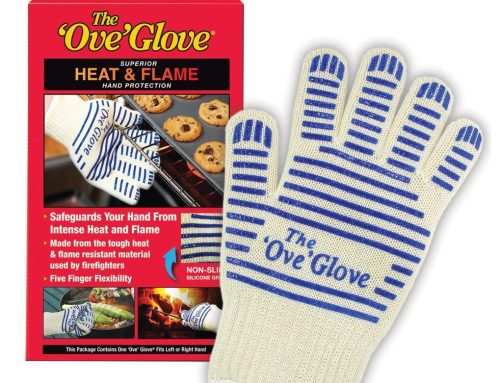
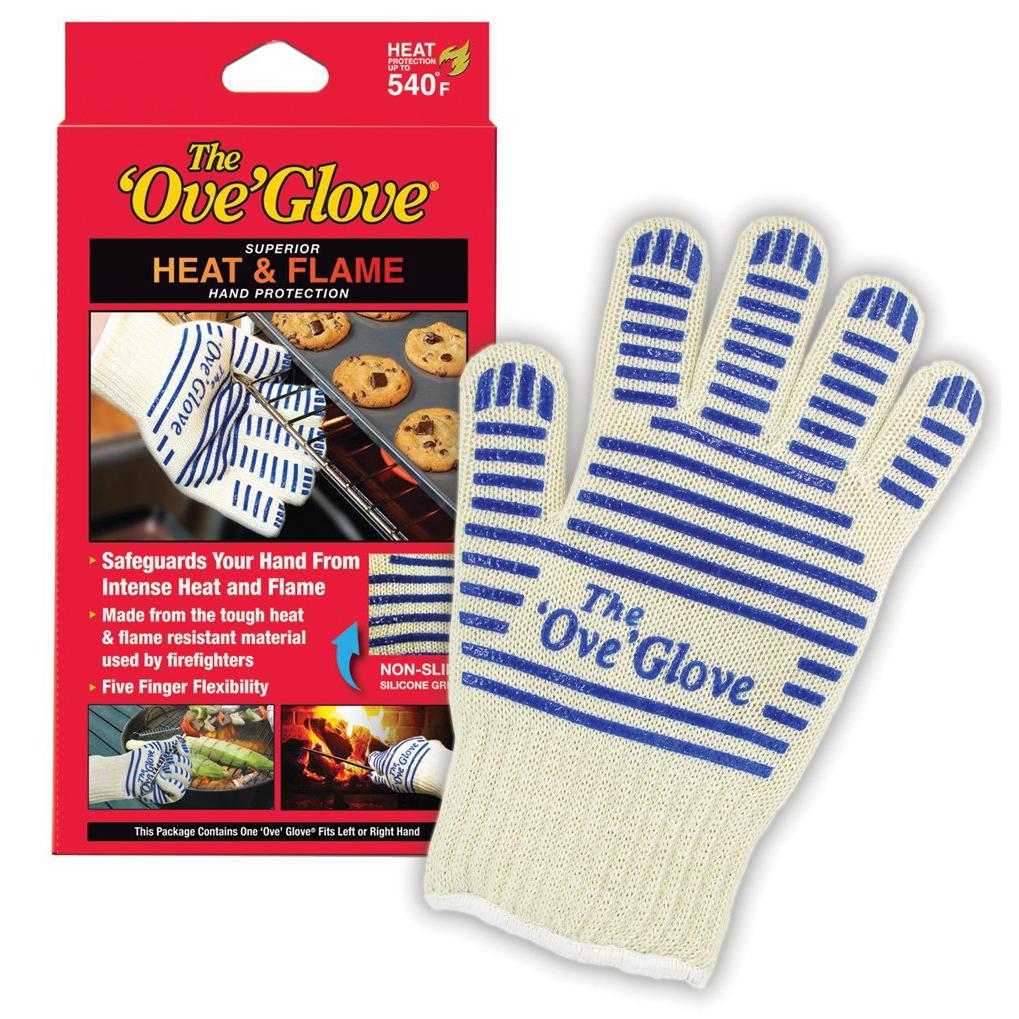
Use Oven Mitts: Protects against burns.
These practices might seem obvious, but they’re often overlooked. Reinforcing them in your routine can prevent unnecessary accidents.
Creating a Safe Cooking Environment
Safety begins with organization. Arrange your kitchen to minimize risks. Clear countertops reduce clutter and hazards. Ensure good lighting; shadows can create blind spots.
Consider joining a community online, like this Facebook group, for sharing tips and experiences about kitchen safety.
Prevent Oven Accidents
Consistent habits and regular checks can dramatically reduce risks. Let’s hone in on maintenance and preparedness.
Regular Maintenance Routines
Regular oven maintenance is crucial. Set reminders to clean your oven every few months. This prevents buildup that might catch fire. Check seals and doors for damage to ensure they close properly.
If you notice any issues, like fluctuating temperatures, consult a professional. Proper maintenance prolongs the life of your appliance and keeps you safe.
Safe Cooking Habits
Adopt a routine that includes checking that dials are off after use. Double-checking costs nothing but saves a lot. Practice using your appliances correctly by reading manuals or watching tutorials.
Always have a plan for different scenarios. Knowing your escape routes and having an emergency contact list can turn panic into action.
Emergency Preparedness
Being prepared is key. Have a fire blanket and extinguisher in your kitchen. Practice using them so you’re ready if the need arises. Store emergency numbers visibly, and consider a first-aid course for added peace of mind.
Visit the National Fire Protection Association for more detailed guidance on handling kitchen fires.
Cooking Accident Awareness
Equipping yourself with knowledge is great, but sharing it multiplies its power. Let’s dive into how you can spread awareness.
Educating Family and Friends
Talk to those you love about the risks associated with oven use. Share safety tips and encourage them to adopt safe habits.
Open dialogues lead to shared learning, and everyone benefits from improved safety.
Promoting Safe Cooking Practices
Use social media to promote safe cooking. You can share articles or create posts highlighting tips. Encourage others to share their stories. These discussions can lead to increased awareness across your community.
Check out AmeriBurn’s resources for more insights on how to prevent burns.
The Importance of Vigilance
Staying alert is a powerful tool. Most accidents happen when attention slips. Take a moment to breathe and focus before cooking. Routine checks and maintenance keep you one step ahead.
Remember: the longer you wait to adopt these practices, the greater the risk. By taking action today, you’re ensuring a safer tomorrow.

All major credit cards accepted
Free Shipping – Order – Track Order – Contact Us
Effective Strategies for Preventing Kitchen Injuries in Kids
Cook Safe: Effective Strategies for Preventing Kitchen Injuries in Kids Kids and kitchens don’t always mix well, especially when it comes to burns. Their natural curiosity and shorter height put them closer to hot surfaces and open flames, making kitchen burns prevention a must for every parent. You’ll find out [...]
How to Safely Remove Food from the Oven
Avoid Kitchen Accidents: How to Safely Remove Food from the Oven Rushing to pull food from the oven turns a simple task into a recipe for kitchen accidents. In the blink of an eye, you can suffer burns or spill hot dishes that take hours to prepare. Taking a moment [...]
Essential Tips for Safe Pan Rotation
Mastering Convection Ovens: Essential Tips for Safe Pan Rotation Rotating pans in a convection oven isn’t just about turning them around. You risk uneven cooking or worse, burns if you don’t handle your pans right. With the right convection oven tips, you’ll learn how to rotate pans safely while using [...]
Why Handles Stay Hot and How to Manage Pan Heat
The Science Behind Cast Iron Cookware: Why Handles Stay Hot and How to Manage Pan Heat Cast iron cookware holds onto heat like few other pans do, but that means the handles stay hot long after you’ve taken them out of the oven. Many home cooks don’t realize how strong [...]
Essential Tips for Handling Hot Pans
Mastering Sheet Pan Safety: Essential Tips for Handling Hot Pans Dropping a hot sheet pan is more common than you think—and the cleanup isn’t the worst part. Burns and kitchen accidents happen fast when you don’t have the right grip or tools in hand. This guide on sheet pan safety [...]
Safely Handling 500-Degree Pizza Ovens
Baking Tips from the Pros: Safely Handling 500-Degree Pizza Ovens Handling a 500-degree pizza oven is no small task, especially when you’re passionate about homemade pizza and artisan baking. Most home cooks underestimate how tricky oven temperatures this high can be, risking burns or ruined pies. Knowing the right baking [...]