How to Safely Handle Hot Pots and Pans
Handling hot pots and pans without the right approach can lead to painful burns and kitchen accidents. If you’ve ever felt unsure about how to handle hot cookware or worried about slipping while carrying a heavy pot, you’re not alone. This post shares clear cooking safety tips and practical advice on hot pot safety, from using oven mitts correctly to keeping your kitchen organized. Read on to learn how to protect yourself and cook with confidence every time. For more information, check out these essential tips for preventing steam burns.

Get FREE shipping on the Ove Glove today!
Essential Tools for Hot Pot Safety
When it comes to kitchen safety, the right tools can make all the difference. Let’s explore the must-haves that ensure you handle hot pots confidently.
Benefits of Oven Mitts Use
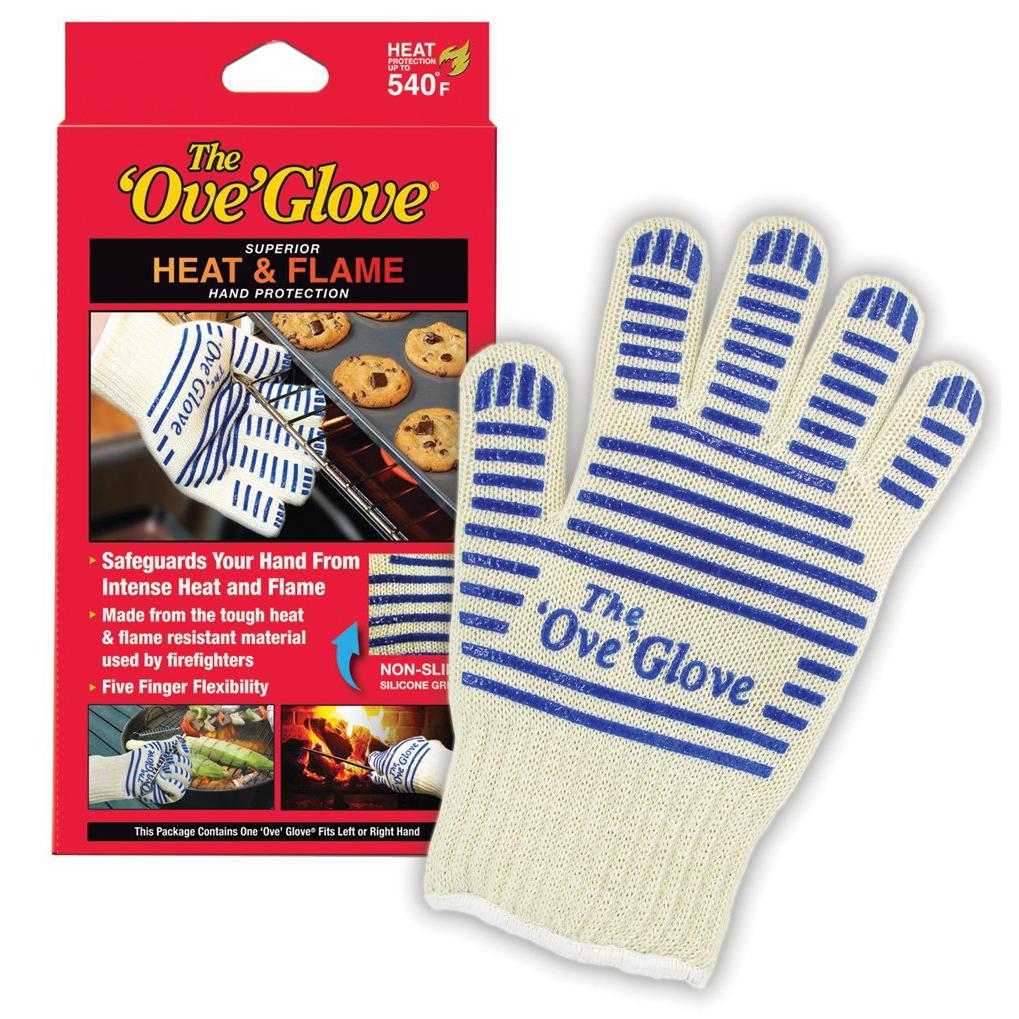
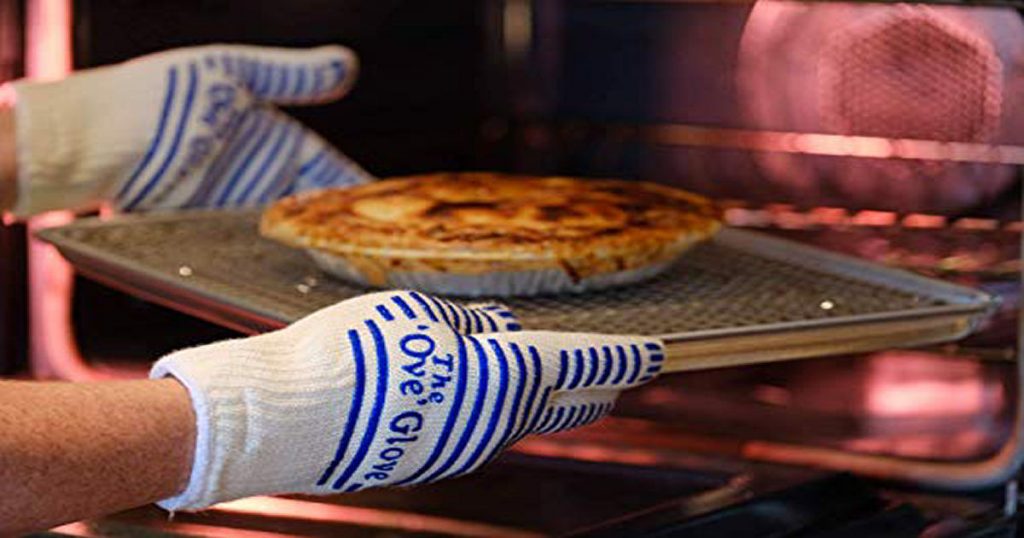
Oven mitts are a kitchen staple when dealing with hot cookware. They provide a barrier between your hands and the hot surface, protecting you from burns. Using oven mitts correctly can give you the confidence to handle hot items without hesitation. Make sure to choose mitts that are thick enough to shield against heat yet flexible enough to maintain a good grip. For more insights on choosing the best mitts, explore the Ove Glove Oven Mitt.
Remember not to use wet or damp mitts, as moisture can conduct heat and lead to burns. Always inspect your mitts for wear and tear, replacing them as needed to ensure maximum safety. With the right oven mitts, you’ll feel secure every time you reach into the oven or lift a hot pot.
Choosing the Right Pot Holders
Pot holders play a crucial role in keeping you safe while cooking. They help in gripping hot handles or transferring pots from the stove to the counter. Choose pot holders with a non-slip grip for better control and safety. They should be heat resistant to shield your hands from high temperatures.
Consider the size and material of the pot holders. Larger holders provide more coverage, while materials like silicone offer a firmer grip. By selecting the right pot holders, you can prevent accidents and enjoy a smooth cooking process.
Keep your hands safe while cooking! Order today!
Role of Trivets in Cooking Safety
Trivets are essential for protecting your countertops from hot cookware. They create a barrier between the hot pot and the surface, preventing burns or damage. Using trivets can help you manage space efficiently and maintain a tidy cooking area.
Choose trivets that are sturdy and heat resistant. Materials like metal or silicone are popular choices due to their durability and effectiveness. By incorporating trivets into your kitchen routine, you ensure a safer environment for all your culinary adventures.
Best Practices for Handling Hot Cookware
Handling hot cookware requires specific techniques to avoid accidents. Start with essential practices that keep you safe and confident in the kitchen.
Techniques for Lifting Hot Pots
Lifting hot pots requires care and technique. Always use both hands to maintain balance and grip. Position one hand on the pot’s handle and the other under the base for support. This method reduces strain and provides stability.
Before lifting, ensure your path is clear of obstacles. Move slowly and steadily to maintain control. By practicing these techniques, you lower the risk of spills and injuries, making your cooking experience safer and more enjoyable.
Safely Placing Hot Pans
Placing hot pans safely is as important as lifting them. Always put hot pans on heat-resistant surfaces like trivets or stovetops. Avoid placing them on wet or uneven surfaces that can cause slips.
Keep an eye on the surroundings, ensuring no flammable items are nearby. By following these steps, you minimize risks and maintain a safe kitchen environment.
Avoiding Common Mistakes
Common mistakes can lead to accidents in the kitchen. Avoid using wet towels or cloths to handle hot cookware, as they can cause burns. Ensure your kitchen area is well-lit to see clearly and avoid accidents.
Be mindful of where you place hot items, keeping them away from edges or areas where they might be knocked over. Awareness of these mistakes helps maintain a safe and efficient kitchen space.
Preventing Kitchen Burns
Burns are a common kitchen hazard, but they can be prevented with the right knowledge and precautions.
Recognizing Hot Cookware Hazards
Understanding the potential hazards of hot cookware helps you take preventive measures. Always assume that pots and pans are hot, using oven mitts or pot holders when handling them. Keep handles turned inward to prevent accidental knocks.
Regularly check cookware for signs of damage or wear that might lead to accidents. Being aware of these hazards is the first step in preventing burns and injuries.
Quick Response to Burn Incidents
In case of a burn, quick response is crucial. Immediately run the affected area under cool water for several minutes. Avoid using ice, as it can cause further damage to the skin.
Apply a clean, dry bandage and seek medical attention if necessary. Knowing how to respond quickly helps minimize the severity of burns and promotes faster healing.
First Aid Essentials in the Kitchen
Keeping a first aid kit in the kitchen is essential for handling minor injuries. Stock your kit with burn ointments, bandages, and antiseptic wipes. Familiarize yourself with basic first aid procedures to act swiftly in emergencies.
Having these essentials readily available ensures you’re prepared to handle incidents effectively, enhancing kitchen safety.
Kitchen Organization Tips for Safety
A well-organized kitchen contributes significantly to safety. Learn how to design a space that minimizes risks and promotes efficiency.
Designing an Efficient Cooking Space
Designing your cooking space with safety in mind helps prevent accidents. Arrange your kitchen tools and appliances to minimize clutter and ensure easy access. Keep frequently used items within arm’s reach to avoid unnecessary movements.
Plan your layout to allow for smooth transitions between cooking areas. An efficient space not only enhances safety but also improves your overall cooking experience.
Managing Countertop Clutter
Reducing countertop clutter is key to maintaining a safe and organized kitchen. Store bulky appliances and infrequently used items in cabinets to free up space. Use racks or hooks to hang utensils, maximizing available space.
A clutter-free countertop reduces risks of accidents and facilitates easy cleaning, making your kitchen a safer environment for cooking.
Awareness of Surroundings
Being aware of your surroundings is vital for kitchen safety. Keep an eye on what others are doing to avoid collisions or accidents. Stay alert to changes, such as spills or obstacles, that could pose risks.
Cultivating awareness in the kitchen helps you respond swiftly to potential hazards, ensuring a safe and harmonious cooking environment.
Confidence in Handling Hot Pots and Pans
Confidence comes from practice and knowledge. Build safe habits that empower you to handle hot cookware with ease.
Building Safe Cooking Habits
Developing safe cooking habits is essential for kitchen safety. Practice using tools like oven mitts and pot holders regularly to build muscle memory. Plan your cooking steps to minimize risks and enhance efficiency.
By cultivating these habits, you’ll feel more confident and secure while handling hot pots and pans.
Encouraging Family Participation
Involving family members in cooking not only makes it fun but also emphasizes safety. Teach children about the importance of using oven mitts and being cautious around hot surfaces. Supervise their actions and encourage safe practices.
By fostering a culture of safety, you ensure everyone enjoys the cooking process without fear of accidents.
Enjoying a Safe Cooking Experience
Ultimately, a safe kitchen allows you to enjoy cooking without worry. Implement the tips and techniques discussed here to create a safe environment. With the right tools and practices, you can focus on what truly matters: creating delicious meals and enjoying time with loved ones.
Frequently Asked Questions
How can I choose the best oven mitts?
Look for mitts that offer heat resistance and flexibility. Materials like silicone or thick fabric provide protection and grip. Inspect for wear and replace as needed.
What should I do if I get burned in the kitchen?
Immediately run the burn under cool water for several minutes. Avoid ice, then apply a clean bandage. Seek medical attention if the burn is severe.
How can I organize my kitchen for safety?
Keep countertops clutter-free by storing items in cabinets. Arrange tools for easy access and maintain a well-lit, open space to prevent accidents.
Why is using a trivet important?
Trivets protect surfaces from heat damage and provide a safe space for hot cookware. Choose sturdy, heat-resistant trivets for best results.
What are effective ways to teach kids kitchen safety?
Involve them in cooking with supervision, emphasizing the use of tools like oven mitts. Explain the importance of caution around hot items and encourage safe habits.


All major credit cards accepted
Free Shipping – Order – Track Order – Contact Us
How to Prevent Burns When Taking Food Out of the Oven
How to Prevent Burns When Taking Food Out of the Oven Burns in the kitchen happen more often than you think, especially when handling hot dishes straight from the oven. If you’ve ever flinched from a sudden steam burst or struggled with slippery mitts, you’re not alone. This post shares [...]
Can Oven Mitts Get Wet? Why Moisture Makes Heat Protection Worse
Can Oven Mitts Get Wet? Why Moisture Makes Heat Protection Worse Using wet oven mitts is more dangerous than most people realize. Moisture can sneak into the fabric and cut down its heat protection, putting your hands at risk. If you care about kitchen safety, understanding the moisture impact on [...]
Best Oven Gloves for Air Fryers
Best Oven Gloves for Air Fryers Handling hot air fryer baskets without the right gloves can turn meal prep into a risky task. Many oven gloves fall short when it comes to heat resistance, grip, or flexibility, making it harder to cook safely and comfortably. This guide highlights the best [...]
Best Oven Mitts for People With Small Hands and Large Hands
Best Oven Mitts for People With Small Hands and Large Hands Most oven mitts come in one size fits all, but that often means they fit no one well. If you have small hands, bulky mitts can feel clumsy and unsafe. Large hands? You might struggle to get a proper [...]
Are Oven Mitts or Gloves Better for Grip?
Are Oven Mitts or Gloves Better for Grip? Grabbing hot cookware without a solid grip can turn your kitchen into a danger zone. Oven mitts and gloves both promise protection, but which one really holds tight when it matters most? Let’s break down how texture, flexibility, and coverage affect oven [...]
Oven Mitt vs Oven Glove: What’s the Difference?
Oven Mitt vs Oven Glove: What's the Difference? Most home cooks treat oven mitts and oven gloves like the same thing. The truth is, each offers different levels of heat resistance, coverage, and control. Knowing these differences can keep you safer and more comfortable in the kitchen. Let’s break down [...]