
How to Safely Remove a Hot Pan From the Oven
Removing a hot pan from the oven can quickly turn from a simple task into a painful mistake. Many home cooks underestimate the risks, leading to burns or spills that disrupt dinner plans. This guide breaks down how to remove hot pans safely, covering key kitchen safety tips like using oven gloves and securing your footing in the kitchen. Keep reading to protect yourself and handle hot pans with confidence every time. For more essential kitchen safety tips, visit this link.

Get FREE shipping on the Ove Glove today!
Essential Safety Gear
When handling hot pans, the right gear is your first line of defense. Here’s why it matters.
Importance of Oven Gloves
Oven gloves are crucial for protecting your hands from burns. They offer a barrier against high temperatures, ensuring you can handle hot cookware safely. Most people assume a quick grab is safe, but even a split second can lead to injury. Investing in quality gloves keeps you prepared for any hot task.
Choosing the Right Gloves
Not all oven gloves are created equal. Look for ones that offer heat resistance up to 500°F. Glove fit is also vital — snug gloves allow better control. Materials like silicone or Kevlar provide added protection. If you’re handling heavy items, choose gloves with additional grip.
Alternatives to Oven Gloves
Sometimes oven gloves aren’t available. In such cases, consider using a thick towel. Ensure the towel is dry, as wet fabric transfers heat quickly. Another option is using pot holders, but these can slip, so exercise caution. Remember, improvisation should never compromise safety.
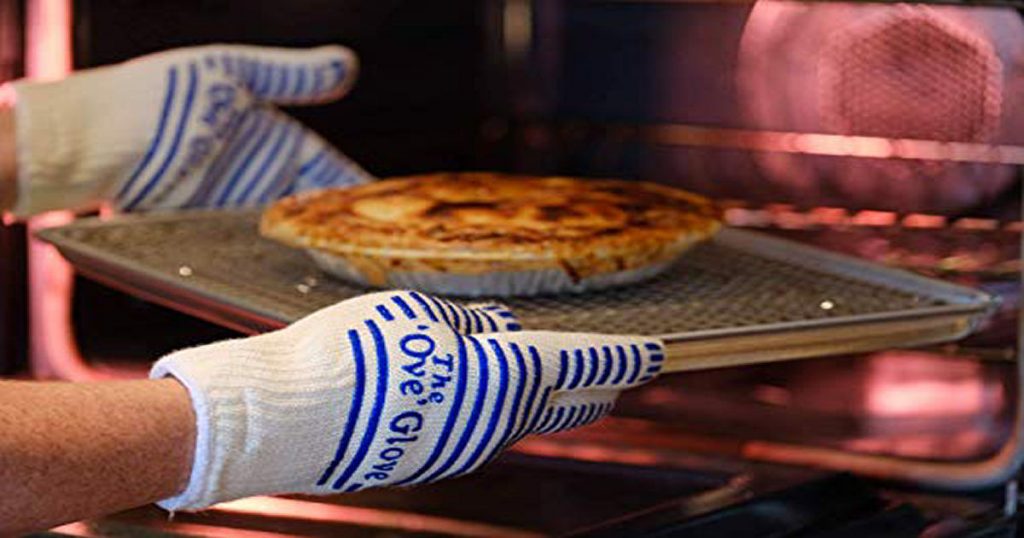
Keep your hands safe while cooking! Order today!
Preparing Your Space
A well-prepared kitchen prevents accidents. Let’s explore how to set up your space before you handle hot pans.
Check Your Surroundings
Before reaching into the oven, make sure the area is clear. Remove any items from the path to your countertop. This prevents tripping hazards, especially in busy kitchens. Keep children and pets away to avoid unexpected interruptions.
Secure Footing in Kitchen
Having stable footing is essential. Wear non-slip shoes to prevent falls. Stand with feet shoulder-width apart for balance. This stance provides a sturdy base, allowing you to focus on the task at hand. Remember, a secure footing in the kitchen is as important as having the right gear.
Organizing Oven Racks
Properly arranged oven racks make accessing pans easier. Adjust racks before preheating to avoid reaching into a hot oven. Keep frequently used pans on the top rack for quick access. This organization minimizes exposure to heat and saves time.
Removing the Hot Pan
With your gear ready and space prepared, it’s time to remove the hot pan safely. Let’s dive into the steps.
Proper Stance and Grip
A proper stance helps maintain control. Stand directly in front of the oven with feet apart. Grip the pan handle with your dominant hand and support it from the bottom with the other hand. This grip provides stability and control, reducing the risk of spills.
How to Remove Hot Pan from Oven
Here’s a step-by-step guide to safely remove a hot pan:
-
Open the oven door fully.
-
Hold the pan with both hands using oven gloves.
-
Slowly lift the pan, keeping it level to avoid spills.
-
Place the pan on a heat-safe surface like a trivet or cooling rack.
Avoid Burns and Spills
Burns and spills often occur due to haste. Move slowly and deliberately when handling hot pans. Always ensure your path is clear. Avoid carrying the pan across the kitchen. Instead, place it on the nearest safe surface to minimize risk.
Post-Removal Procedures
Once the pan is out, follow these steps to ensure continued safety.
Cooling the Pan Safely
Allowing the pan to cool safely is crucial. Place it on a cooling rack to let air circulate. Avoid placing it on a wet surface to prevent thermal shock, which can cause cracking. If you need to transfer contents, wait until the pan is warm, not hot.
Handling Kitchen Crowds
Busy kitchens require extra caution. Communicate with others when moving a hot pan. Use verbal cues like “hot pan coming through.” This alert ensures everyone is aware and keeps pathways clear.
Cleaning and Maintenance Tips
Keeping your gear in top condition extends its life. Clean oven gloves regularly to maintain grip and hygiene. Inspect them for wear and tear, replacing them as needed. Clean pans once cooled to avoid burns from steam or hot water.
Additional Kitchen Safety Tips
Maintaining a safe kitchen environment involves more than just handling hot pans.
Avoid Common Mistakes
Common mistakes include using damp towels as potholders or overcrowding the oven. Both can lead to accidents. Always double-check your tools and space before cooking to avoid these pitfalls.
Safely Navigating a Busy Kitchen
In a bustling kitchen, communication is key. Keep pathways clear and always announce your movements. This habit reduces the chance of accidents, making the kitchen a safer place for everyone.
Best Practices for Oven Safety
Regularly inspect your oven for any issues. Clean spills promptly to prevent smoke or fire hazards. Use the oven light instead of opening the door to check on food, maintaining a consistent cooking temperature.
Frequently Asked Questions
What should I do if I burn myself while cooking?
If you suffer a burn, cool the area under running water for at least 10 minutes. Avoid using ice, as it can damage skin further. Seek medical advice for severe burns.
Can I use any towel as an oven glove?
While any towel can provide some protection, it’s best to use a thick, dry towel. Wet towels conduct heat quickly, increasing the risk of burns.
How often should I replace oven gloves?
Replace oven gloves when they show signs of wear, such as holes or loss of heat resistance. Regular inspections ensure your gloves remain safe and effective.
What is the best way to arrange oven racks?
Arrange racks based on your cooking needs. Place items that require higher heat on the top rack and those needing less on the lower. Adjust racks when the oven is cool to avoid burns.
Is it safe to use silicone oven gloves?
Yes, silicone gloves are safe and offer excellent heat resistance. They also provide a non-slip grip, making them ideal for handling hot cookware.


All major credit cards accepted
Free Shipping – Order – Track Order – Contact Us
The Complete Guide to Oven Mitts and Heat Resistant Gloves
The Complete Guide to Oven Mitts and Heat Resistant Gloves Burning your hands while cooking is more common than you think, and the wrong oven mitts only make it worse. You want hand protection that feels comfortable but actually keeps heat at bay, whether you're baking, grilling, or frying. This [...]
Best Oven Mitts for Baking
Best Oven Mitts for Baking Most oven mitts promise protection, but many fail when heat spikes in the kitchen. You need gear that stays cool, grips tight, and feels good on your hands. This guide on the best oven mitts for baking breaks down top rated options with real user [...]
How to Clean Oven Mitts and Keep Them Fresh
How to Clean Oven Mitts and Keep Them Fresh Oven mitts are some of the hardest-working tools in your kitchen, but they rarely get the attention they deserve. Over time, they pick up stains, odors, and grime that can make cooking less pleasant and less safe. Learning how to clean [...]
Best Oven Mitts for Pizza Ovens
Best Oven Mitts for Pizza Ovens Handling a pizza oven without the right gear can quickly lead to burns or dropped pies. When temperatures soar, your regular kitchen mitts won’t cut it—you need the best oven mitts designed specifically for pizza ovens. From extra-long heat resistant mitts to grips that [...]
How Often Should You Replace Your Oven Mitts?
How Often Should You Replace Your Oven Mitts? Oven mitts don’t last forever, but most people don’t know when to replace them. If your mitts show frayed fabric, strange smells, or feel less heat resistant, they might be putting you at risk. Knowing the signs of worn oven mitts and [...]
Heat Resistant Gloves: What Temperature Can They Handle?
Heat Resistant Gloves: What Temperature Can They Handle? Most heat resistant gloves claim to protect you from extreme temperatures, but can they really handle the heat you face every day? Choosing the wrong pair could leave you burned or limit your grip when you need control. This post breaks down [...]


