
Essential Kitchen Safety: Keeping Kids Safe Around Hot Ovens
Most parents know the kitchen can be a hazard zone for kids, but few realize just how risky hot ovens can be. Keeping kids safe in this space means more than just watching them closely—it requires clear rules and smart precautions. In this post, you’ll find practical kitchen safety tips, from setting boundaries to using oven locks, that help create a safe cooking environment without losing the joy of involving your children. For more safety tips, visit this link.

Order the Ove Glove today and get FREE shipping!
Understanding Kitchen Safety
The kitchen is often the heart of the home, but it can also be a hotspot for potential accidents. Knowing the basics of kitchen safety helps create a foundation for peace of mind and secure cooking experiences.
Setting Clear Boundaries
Establishing boundaries is crucial in keeping kids safe. Make it clear where your children can and cannot go. For example, set a rule that they must stay three feet away from the stove when you’re cooking. This simple guideline can prevent accidents before they happen. You can learn about the “three-foot rule” on Seattle Fire’s Facebook page.
Educating on Hot Surface Dangers
It’s important to teach your children about the risks of hot surfaces. Use everyday cooking moments to explain the dangers of touching the oven or stove. You might say, “This is hot and can hurt if you touch it.” This simple explanation can help them understand the risk. According to Children’s Health, clear communication is key in preventing kitchen injuries.
Proper Kitchen Tool Use
Using kitchen tools safely is another critical aspect. Show your kids how to use basic tools like spoons and tongs safely. Keep sharp items well out of reach. When they are old enough, teach them how to handle these tools under supervision. This not only keeps them safe but also builds their confidence.
Creating a Safe Cooking Zone
Designing a safe cooking zone is an essential step in minimizing risks. This involves thoughtful planning and smart precautions.
Designating No-Entry Areas
Identify zones in your kitchen where kids should not enter. Mark these areas with colorful tape as a visual reminder. This helps children remember where they can’t go, turning the kitchen into a safer space for everyone. For more tips, check out this article from Texas Department of Insurance.
Using Oven Locks Effectively
Oven locks are a practical tool to prevent accidents. They are easy to install and provide peace of mind by keeping the oven door securely shut. This prevents curious children from opening it and getting hurt. Always explain to your kids why the oven is locked, reinforcing the importance of safety.
Managing Pot and Pan Handles
Always turn pot and pan handles inward to prevent accidental spills. This simple habit can make a huge difference. It keeps hot contents from being knocked over, reducing the risk of burns. Encourage your kids to remind you to do this, turning a safety measure into a family effort.
Engaging Kids Safely
Involving your children in kitchen activities can be fun and educational if done safely.
Age-Appropriate Cooking Tasks
Assigning tasks according to your child’s age keeps them engaged and safe. Younger kids can wash vegetables, while older children might stir ingredients. This makes them feel included and teaches them about cooking. It’s a great way for them to learn while staying safe.
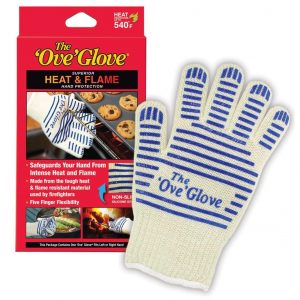
Protect your hands while cooking with the Ove Glove
Teaching Cooking Safety Tips
Consistently share safety tips with your kids. For instance, “Always ask before touching something you don’t know.” Such simple tips can help them build good habits early on. Reinforce these lessons regularly to keep them fresh in their minds.
Using Protective Gear Like Oven Gloves
Teaching kids to use protective gear like oven gloves is a smart practice. Show them how these gloves protect hands from heat, and let them practice using them. This can make them feel more confident and prepared when they help out with cooking.
Proactive Measures for Child Safety
Taking proactive steps can significantly reduce risks and keep your kids safer in the kitchen.
Installing Child Safety Devices
Child safety devices, like locks and guards, add an extra layer of protection. Install them on cabinets and drawers to keep dangerous items out of reach. These devices are easy to set up and provide long-lasting benefits.
Consistent Safety Reminders
Regular reminders about kitchen safety keep it top of mind for everyone. You can create catchy phrases or sing little safety songs to make it fun. This keeps the importance of safety fresh and engaging for your kids.
Evaluating and Adjusting Safety Practices
Regularly review your safety practices to see what works and what could be improved. Involve your kids in this process. Ask them what they remember about safety, and adjust your approach based on their feedback. This not only makes your kitchen safer but also empowers your children to be part of the solution.
Building Positive Kitchen Experiences
Creating a kitchen that feels safe encourages more involvement and learning opportunities for your children.
Encouraging Family Involvement
Make cooking a family activity. Encourage everyone to participate in some way, turning meal prep into a fun experience. This fosters a sense of togetherness and helps teach valuable life skills.
Creating a Fun Learning Environment
Transform your kitchen into a place of learning and discovery. Use cooking as an opportunity to teach kids about math through measuring, or science through mixing ingredients. This makes the kitchen a fun and educational space.
Celebrating Safe Cooking Achievements
Celebrate when your children follow safety rules or complete a cooking task. This positive reinforcement encourages them to continue being safe and involved. A simple high five or “Great job!” can boost their confidence and make them more excited to help out in the kitchen.
By following these steps, you can create a kitchen environment that is both safe and inviting. Engaging your kids in cooking while keeping them protected helps build lifelong skills and wonderful memories.


All major credit cards accepted
Free Shipping – Order – Track Order – Contact Us
The Ultimate Guide to the Best Oven Gloves for High Heat Protection
The Ultimate Guide to the Best Oven Gloves for High Heat Protection Most oven gloves fail when you least expect it—right when you need serious heat protection. If you’ve ever grabbed a hot tray only to pull back fast, you know the risk isn’t worth it. This guide breaks down [...]
Preventing Burns and Handling Hot Pans
Mastering Kitchen Safety: Preventing Burns and Handling Hot Pans Touching a hot pan can turn a simple cooking moment into a painful one in seconds. If you’ve ever grabbed a pan without thinking, you know how quickly burns can happen and how confusing it is to know what to do [...]
Top Rated Oven Mitts for Heat-Resistant Cooking
Stay Cool Under Pressure: Top Rated Oven Mitts for Heat-Resistant Cooking When handling hot pans, you need oven mitts that won’t let heat sneak through. Many mitts claim to protect, but few stand up to extreme temperatures without burning your hands. This guide breaks down the best oven mitts designed [...]
Essential Tips for Safely Grabbing Hot Trays
Mastering Oven Safety: Essential Tips for Safely Grabbing Hot Trays Grabbing hot trays from the oven wrong can leave you with painful burns and a ruined meal. Many home cooks underestimate how risky this simple task can be without the right tools and techniques. Mastering oven safety means knowing which [...]
Enhance Your Agility with Professional Cooking Gloves
Master the Art of Kitchen Efficiency: Enhance Your Agility with Professional Cooking Gloves Most cooks waste precious seconds fumbling with bulky gloves that kill their flow. When every move counts, losing grip or slowing down means tougher kitchen battles. Ove Gloves change the game by boosting your grip and dexterity, [...]
The Hidden Benefits of Owning More Than One Pair of Ove Gloves
Versatile Kitchen Tools: The Hidden Benefits of Owning More Than One Pair of Ove Gloves Most home cooks settle for one pair of gloves and end up juggling between tasks. That’s a recipe for burnt fingers and slow prep. Having multiple pairs of Ove Gloves means you get the right [...]


