
Oven Mitt vs Oven Glove: What’s the Difference?
Most home cooks treat oven mitts and oven gloves like the same thing. The truth is, each offers different levels of heat resistance, coverage, and control. Knowing these differences can keep you safer and more comfortable in the kitchen. Let’s break down oven mitt vs oven glove so you can pick the best cooking gear for your needs. For more details, you can check this guide on oven mitts and gloves.

Get FREE shipping on the Ove Glove today!
Understanding Oven Mitts and Gloves
Let’s start by exploring what makes oven mitts and gloves unique. Understanding these basics helps you make the right choice for your kitchen needs.
What Are Oven Mitts?
Oven mitts are a staple in many kitchens, known for their distinctive shape. They cover your hand and wrist like a mitten. Designed to keep your hands safe, they offer a large area of protection. Their thick material helps shield you from heat while handling hot dishes. Most mitts are padded, providing a comfortable grip on hot pots and pans.
Their design is straightforward, making them easy to use. You simply slip your hand inside, and you’re ready to go. They often come in various materials, such as cotton, silicone, or a blend. Each type has its benefits, but all serve the main purpose of keeping your hands safe from burns.
The Basics of Oven Gloves
Oven gloves differ from mitts by offering more flexibility. They fit each finger individually, much like a regular glove. This design allows for better control and a more secure grip on kitchen items. Often, gloves are made with materials that provide excellent heat resistance, keeping your hands safe.
These gloves can be quite versatile. Whether you’re flipping a steak or handling a baking tray, they offer improved dexterity. This makes them a favorite among many cooks who require precision in their tasks. Plus, they come in various lengths and materials to suit different cooking styles.
Key Differences in Design
When comparing mitts and gloves, design plays a crucial role. Mitts provide broad coverage and are easy to slip on and off. They are great for quick tasks, like transferring a pot from the oven to the counter. However, they may limit finger movement, making intricate tasks harder.
On the other hand, gloves offer individual finger control. This can be a game-changer when performing detailed tasks in the kitchen. Their design can make them a bit more complex to put on, but the added control is often worth it. Choosing between them often depends on your cooking style and needs.
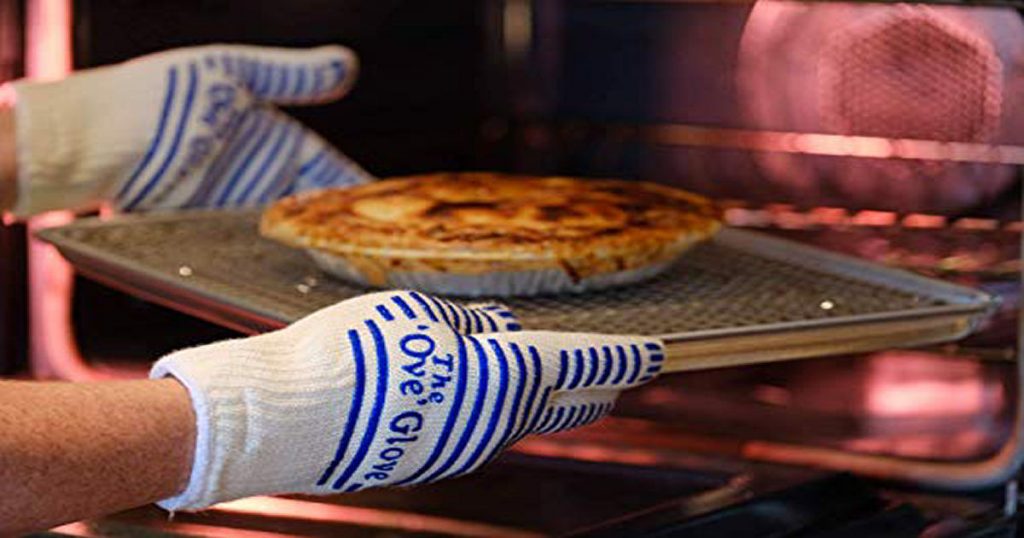
Keep your hands safe while cooking! Order today!
Factors to Consider in Kitchen Safety
The right kitchen gear can make all the difference in safety. Here, we explore what to consider when choosing between oven mitts and gloves.
Coverage and Protection Levels
The level of protection provided by mitts and gloves can vary. Mitts generally offer a larger area of coverage, protecting your hand and wrist. This is ideal for tasks involving larger pans or pots. They act as a barrier between your skin and hot surfaces.
In contrast, gloves may cover less surface area but offer precision. They are perfect for tasks that require more dexterity. Gloves allow you to grip handles and small items with confidence. Choose based on the level of protection you need for your cooking routines.
Importance of Heat Resistance
Heat resistance is a key factor in choosing the right gear. Mitts are often thicker, providing a buffer against high temperatures. This makes them suitable for handling very hot items.
Gloves, while also offering heat protection, might have varying resistance levels depending on the material. It’s crucial to check the temperature threshold of the gloves you’re considering. This ensures they meet your cooking safety requirements.
Dexterity in the Kitchen
Dexterity can influence your choice between mitts and gloves. Mitts are straightforward, but they might limit finger movement. This can be a drawback for tasks requiring precision.
Gloves excel in this area, offering individual finger movement. This allows for better control and handling of smaller items. If your cooking involves a lot of detailed work, gloves could be the better choice.
Advantages of Oven Mitts
Oven mitts offer multiple advantages, making them a popular choice for many home cooks. Let’s explore what makes them stand out.
Enhanced Heat Protection
Mitts are designed to provide strong heat protection. Their thick material shields your hands from high temperatures. This makes them ideal for tasks like removing hot trays from the oven. You can rely on them to keep your hands safe during intense cooking sessions.
User-Friendly Design
The design of mitts is simple and effective. They are easy to use, requiring just a quick slip-on motion. This is convenient when you’re in a hurry or multitasking in the kitchen. Mitts are a great option for those looking for straightforward kitchen gear.
Ideal Scenarios for Use
Mitts shine in scenarios where quick protection is needed. Whether you’re lifting a roasting pan or a casserole dish, they provide reliable coverage. Their ease of use makes them perfect for everyday cooking tasks.
Benefits of Oven Gloves
Oven gloves bring their own set of benefits, particularly for cooks who value flexibility and control. Here’s why they might be the right choice for you.
Improved Grip and Flexibility
Gloves offer improved grip thanks to their individual finger design. This allows you to handle kitchen items with precision. Whether you’re flipping food or adjusting a pan, gloves give you the control you need.
Versatility in Cooking Tasks
The versatility of gloves is unmatched. They are suitable for a range of cooking tasks, from grilling to baking. Gloves adapt to various needs, making them a versatile choice for diverse cooking styles.
Best Uses for Oven Gloves
Oven gloves are best for tasks requiring a firm grip and precision. They excel in situations where detailed work is needed. If you often find yourself needing more control, gloves are a wise investment.
Making the Right Choice
Choosing between mitts and gloves depends on your unique cooking needs. Here’s how to make an informed decision.
Evaluating Your Cooking Needs
Consider the types of tasks you perform most in the kitchen. If you need quick protection, mitts might be ideal. For tasks needing more dexterity, gloves could be better. Assess your cooking habits to determine which option aligns with your needs.
Safety Tips for Oven Accessories
Safety is paramount in the kitchen. Always inspect your mitts or gloves for wear and tear before use. Ensure they are dry, as moisture can reduce their effectiveness. Regularly cleaning your oven accessories is also important to maintain their protective quality.
Final Thoughts on Oven Protection
Both mitts and gloves offer valuable protection in the kitchen. Your choice should reflect your cooking style and safety priorities. By selecting the right gear, you enhance your cooking experience while keeping safety at the forefront.
Frequently Asked Questions
What are the advantages of using oven mitts over gloves?
Oven mitts provide broad coverage and are easy to put on. They are ideal for tasks involving larger items and offer strong heat protection. Their simplicity makes them user-friendly.
How do oven gloves enhance kitchen safety?
Oven gloves offer individual finger movement, improving grip and control. This can prevent slips and accidents, particularly when handling small or delicate items. They are versatile and suitable for various cooking tasks.
When should I choose oven gloves instead of mitts?
Choose oven gloves when precision and dexterity are required. They are perfect for tasks like grilling or detailed baking. If you need more control and flexibility, gloves are the better option.
Can oven mitts and gloves be cleaned easily?
Yes, most oven mitts and gloves can be cleaned easily. Check the manufacturer’s instructions for specific cleaning guidelines. Regular cleaning helps maintain their protective quality.
Are there specific materials I should look for in oven gloves?
Look for materials that offer high heat resistance and durability. Silicone and heat-resistant fabrics are common choices. Ensure the gloves meet your safety requirements for temperature thresholds.


All major credit cards accepted
Free Shipping – Order – Track Order – Contact Us
The Complete Guide to Oven Mitts and Heat Resistant Gloves
The Complete Guide to Oven Mitts and Heat Resistant Gloves Burning your hands while cooking is more common than you think, and the wrong oven mitts only make it worse. You want hand protection that feels comfortable but actually keeps heat at bay, whether you're baking, grilling, or frying. This [...]
Best Oven Mitts for Baking
Best Oven Mitts for Baking Most oven mitts promise protection, but many fail when heat spikes in the kitchen. You need gear that stays cool, grips tight, and feels good on your hands. This guide on the best oven mitts for baking breaks down top rated options with real user [...]
How to Clean Oven Mitts and Keep Them Fresh
How to Clean Oven Mitts and Keep Them Fresh Oven mitts are some of the hardest-working tools in your kitchen, but they rarely get the attention they deserve. Over time, they pick up stains, odors, and grime that can make cooking less pleasant and less safe. Learning how to clean [...]
Best Oven Mitts for Pizza Ovens
Best Oven Mitts for Pizza Ovens Handling a pizza oven without the right gear can quickly lead to burns or dropped pies. When temperatures soar, your regular kitchen mitts won’t cut it—you need the best oven mitts designed specifically for pizza ovens. From extra-long heat resistant mitts to grips that [...]
How Often Should You Replace Your Oven Mitts?
How Often Should You Replace Your Oven Mitts? Oven mitts don’t last forever, but most people don’t know when to replace them. If your mitts show frayed fabric, strange smells, or feel less heat resistant, they might be putting you at risk. Knowing the signs of worn oven mitts and [...]
Heat Resistant Gloves: What Temperature Can They Handle?
Heat Resistant Gloves: What Temperature Can They Handle? Most heat resistant gloves claim to protect you from extreme temperatures, but can they really handle the heat you face every day? Choosing the wrong pair could leave you burned or limit your grip when you need control. This post breaks down [...]


