
Oven Mitts vs Oven Gloves: What’s the Difference?
Most people grab whatever is handy when reaching for hot cookware, but oven mitts and oven gloves are not the same. Choosing the wrong one can cost you in safety and comfort. This cooking tools comparison breaks down how their designs, materials, and heat resistance differ, so you know which fits your kitchen style and protects you best. Keep reading to sharpen your kitchen safety and avoid burns with the right cooking accessories. Learn more about the safety of oven mitts versus oven gloves here.

Get FREE shipping on the Ove Glove today!
Design Features and Usability
When selecting the right cooking tools, understanding the design features of oven mitts and gloves enhances usability. Let’s dive into their shape, grip, and coverage.
Shape and Flexibility
Oven mitts typically have a single-pocket design, great for quick use. Their shape means slipping one on is fast, but you lose some flexibility. They offer basic hand protection but can feel bulky. On the other hand, oven gloves have individual finger slots, allowing more dexterity. This design helps you grab small items more securely and perform intricate tasks without removing the glove.
Grip and Dexterity
For better grip, both mitts and gloves often feature textured surfaces. Oven mitts might have silicone pads, ensuring pots and pans don’t slip. However, their single-pocket design limits dexterity. Gloves offer superior grip due to separate fingers, giving you a firm hold even on slippery surfaces. This feature is crucial when handling delicate dishes or heavy cookware.
Length and Coverage
Coverage matters for safety. Oven mitts are usually longer, covering more of your arm to protect against burns from oven racks or hot splashes. This length provides a barrier but can limit wrist movement. Oven gloves typically offer less arm coverage but allow for more precise movements due to their flexible design. Consider what balance of protection and mobility you need in the kitchen.
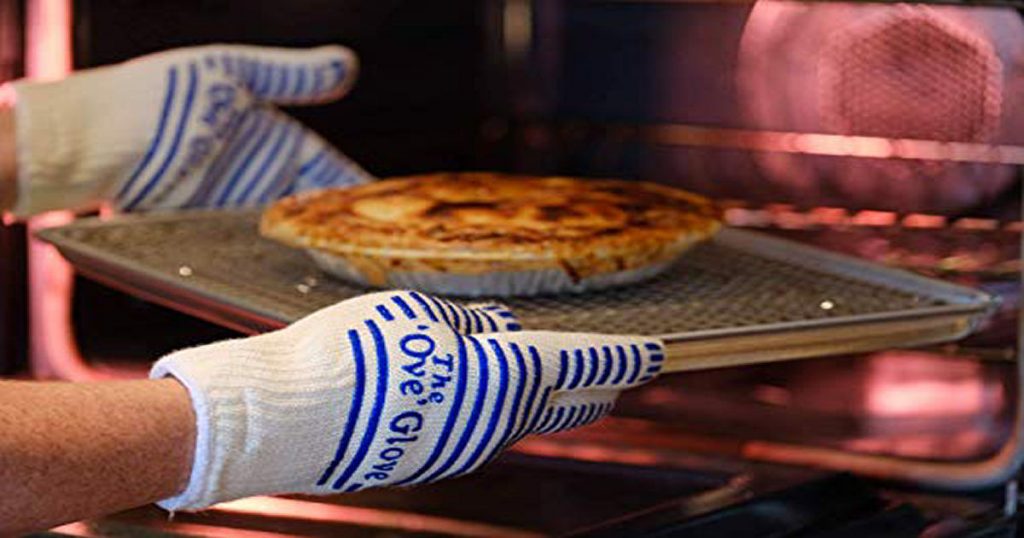
Keep your hands safe while cooking! Order today!
Materials and Durability
Choosing the right material impacts how long your oven mitts or gloves last, as well as how they perform. Let’s explore the materials commonly used.
Common Fabric Choices
Cotton is a popular choice for oven mitts, known for comfort and breathability. They often have quilted layers, offering some heat resistance but can wear down with frequent washing. Oven gloves may feature a blend of cotton and polyester, providing good durability and a snug fit. These materials are cost-effective but less heat-resistant than other options.
Silicone and Other Materials
Silicone is a standout material for both mitts and gloves. Its heat resistance is impressive, withstanding temperatures up to 500°F. Silicone surfaces improve grip and are easy to clean. Some high-end gloves incorporate Nomex or Kevlar, known for their heat-resistant properties. These materials are ideal for serious cooks seeking maximum protection.
Longevity Considerations
The lifespan of your mitts or gloves depends on use and care. Cotton mitts might show wear after a few months, especially if washed often. Silicone options tend to last longer, resisting stains and maintaining their shape. For the longest lifespan, consider gloves made with durable fabrics like Kevlar, which withstands regular use without degrading.
Heat Resistance Levels
Understanding heat resistance is crucial to avoiding burns. Different tools offer various levels of protection against heat.
Temperature Limits
Oven mitts made from cotton typically withstand temperatures up to 400°F. This limit is suitable for most baking and stovetop tasks. However, they can struggle with higher heat. Silicone gloves excel here, withstanding up to 500°F. For those handling extreme temperatures, like pizza ovens, gloves with Kevlar or Nomex are recommended for their superior protection. Check out the best oven gloves for handling cast iron pans here.
Insulation Effectiveness
Effective insulation keeps your hands safe. Cotton mitts use layers to trap heat, but they can become less effective if wet. Silicone acts as a barrier, preventing heat transfer and maintaining its protective qualities even when damp. Oven gloves with advanced fibers offer the best insulation, ideal for prolonged exposure to high temperatures.
Comparing Heat Protection
In terms of heat protection, silicone and advanced fiber gloves outperform cotton mitts. They provide a higher safety margin, crucial for demanding cooking tasks. For everyday use, cotton mitts suffice, but if you’re frequently dealing with high heat, investing in higher-grade gloves is a wise choice.
Pros and Cons
Weighing the pros and cons helps determine which kitchen tool best suits your needs.
Advantages of Oven Mitts
-
Affordable: Generally, oven mitts are more budget-friendly.
-
Easy to use: Slip on quickly, perfect for casual cooking.
-
Good arm protection: Longer length shields forearms from burns.
Benefits of Oven Gloves
-
Superior dexterity: Individual fingers aid in precision tasks.
-
Higher heat resistance: Ideal for high-temperature cooking.
-
Versatile: Suitable for a variety of culinary tasks.
Potential Drawbacks
-
Oven Mitts: Less dexterity, can be bulky.
-
Oven Gloves: Higher cost, sometimes less arm coverage.
Choosing the Right Tool
Selecting the right tool involves assessing your cooking habits and preferences. Here’s how to make an informed choice.
Assessing Your Cooking Needs
Identify what you cook most often. If you’re baking occasionally, mitts might suffice. For frequent grilling or handling of large pots, gloves offer the dexterity and protection needed. Consider your kitchen’s heat levels and the tasks you perform most.
Safety and Comfort Factors
Safety is paramount. Choose tools that cover your needs without compromising comfort. Mitts with longer sleeves offer safety but may restrict movement. Gloves, with their finger slots, are comfortable for long sessions, allowing for natural hand movements.
Making an Informed Decision
Consider durability, heat resistance, and comfort. For those prioritizing budget, mitts provide affordability. If high performance and protection are your focus, gloves are the better investment. Evaluate these factors to select the best tool for your culinary adventures.
Frequently Asked Questions
What is the main difference between oven mitts and oven gloves?
Oven mitts have a single pocket, offering basic protection with limited flexibility. Oven gloves have individual finger slots, providing better dexterity and grip.
Which material is best for high heat protection?
Silicone and materials like Kevlar or Nomex offer superior heat resistance, ideal for handling extreme temperatures.
How do I clean oven mitts and gloves?
Cotton mitts can be machine washed, but frequent washing may reduce their effectiveness. Silicone gloves are easily cleaned with soap and water.
Are oven gloves worth the investment?
For those who cook often or handle high temperatures, oven gloves provide better protection and flexibility, making them a worthwhile investment.
Can I use oven mitts for grilling?
Oven mitts can be used for grilling but may not provide the best dexterity or heat resistance compared to specialized gloves.


All major credit cards accepted
Free Shipping – Order – Track Order – Contact Us
Essential Tips for Handling Hot Pans
Mastering Sheet Pan Safety: Essential Tips for Handling Hot Pans Dropping a hot sheet pan is more common than you think—and the cleanup isn’t the worst part. Burns and kitchen accidents happen fast when you don’t have the right grip or tools in hand. This guide on sheet pan safety [...]
Safely Handling 500-Degree Pizza Ovens
Baking Tips from the Pros: Safely Handling 500-Degree Pizza Ovens Handling a 500-degree pizza oven is no small task, especially when you’re passionate about homemade pizza and artisan baking. Most home cooks underestimate how tricky oven temperatures this high can be, risking burns or ruined pies. Knowing the right baking [...]
The Best Oven Mitts for Dutch Oven Handling
The Best Oven Mitts for Dutch Oven Handling Moving a hot Dutch oven without the right gear can turn a simple meal into a risky mess. If you’ve ever burned your hands or spilled food trying to carry one, you know the frustration all too well. This guide will show [...]
Preventing Steam Burns in Your Kitchen
Essential Pasta Cooking Tips: Preventing Steam Burns in Your Kitchen Draining pasta safely can feel like a risky move when that hot steam rises without warning. You’ve probably burned your hands or worried about splashing boiling water more than once. This guide will show you smart pasta cooking tips and [...]
The Science Behind Thickness and Layering in the Best Cooking Gloves
The Science Behind Thickness and Layering in the Best Cooking Gloves Most cooking gloves promise heat resistance, but only a few truly deliver when you’re pulling something hot from the oven. The secret lies in thickness and layering, along with the right cooking gloves materials and grip technology in gloves. [...]
The Ultimate Guide to Heat Protection
Grilling Tips from the Pros: The Ultimate Guide to Heat Protection Handling blazing grates and fiery smokers without singeing your skin takes more than luck—it demands smart heat protection. Professional pitmasters have nailed fire handling techniques that keep their hands safe while working close to intense heat. In this guide, [...]


