
Overcome Common Baking Failures with These Egg Replacements
Baking without eggs often leads to dry, crumbly cookies or cakes that just don’t rise right. You’ve tried a few egg substitutes but ended up with mixed results and some common baking failures. This guide breaks down the best egg replacements like flaxseed, yogurt, and applesauce, showing you exact ratios, photos of how they turn out, and fixes for when things go sideways. Get ready to bake moist, delicious treats—no eggs needed. For more tips, check out this guide.
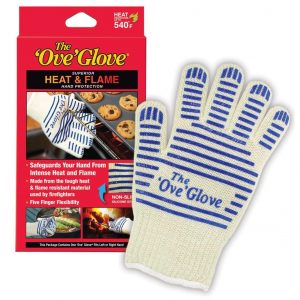
Never burn your hands again while cooking!

Best Egg Substitutes for Baking
Choosing the right egg substitute can be tricky, but with a little guidance, you can achieve moist and delicious results. Let’s explore some top contenders for egg substitutes.
Flaxseed Egg Alternative
Flaxseed is a fantastic choice if you’re looking for a natural option. Just mix one tablespoon of ground flaxseed with three tablespoons of water. Let it sit for about five minutes until it thickens. This mixture works well in recipes where binding is needed, like cookies or pancakes.
-
Why use it? It adds a slight nutty flavor and can improve texture.
-
Perfect for: Cookies and pancakes where binding and moisture are crucial.
If consistency is your concern, remember that not all recipes will yield the same results. Experiment a bit to get your desired outcome.
Yogurt Baking Substitute
Using yogurt as an egg replacement gives your baked goods a creamy texture. For each egg, use ¼ cup of yogurt. This option is great for recipes that need a bit of lift and moisture.
-
Advantages: Adds richness and tenderness.
-
Ideal for: Muffins and cakes where moisture retention is key.
You can swap yogurt in recipes that require a lighter crumb without sacrificing moisture or taste.
Applesauce in Baking
Applesauce is a classic egg substitute, providing moisture and a hint of sweetness. Use ¼ cup per egg in your recipe. It’s especially good in dense cakes or breakfast breads.
-
Highlights: Keeps baked goods moist.
-
Best in: Cakes and quick breads that benefit from added sweetness.
A little trial and error might be needed to perfect the texture, but the results can be delightful.
Solving Common Baking Failures
Understanding why things go wrong can help you fix them. Let’s tackle some usual baking issues and how to solve them.
Achieving Perfect Texture
Texture can make or break your baked goods, especially without eggs. To avoid dense results, ensure your batter is well-aerated. This means mixing just enough to combine ingredients without overdoing it.
-
Tip: Use a gentle hand when folding in dry ingredients.
-
Benefit: Light and fluffy bakes each time.
For more detailed troubleshooting, this baking guide might be helpful.
Maintaining Moisture in Baking Cookies
Dry cookies can be disappointing. To keep them moist, consider adding a bit of extra fat, like a tablespoon of oil or butter. Also, watch your oven temperature closely to avoid over-baking.
-
Strategy: Check cookies two minutes before the recommended time.
-
Outcome: Soft, chewy cookies that everyone loves.
For more tips on moisture retention, check out this moisture guide.
Creative Egg Replacements for Cakes
Cakes can be tricky without eggs, but with the right substitutes, you can still achieve a fluffy and moist result.
Alternatives to Eggs in Cookies
Cookies can be forgiving when it comes to egg replacements. Ground chia seeds are a great alternative, similar to flaxseed. Mix one tablespoon of chia seeds with three tablespoons of water for one egg.
-
Why chia? It holds moisture well and adds a pleasant texture.
-
Great for: Chewy cookies and energy bites.
Vegan Baking Tips
Baking vegan doesn’t mean sacrificing taste or texture. Remember to adjust your baking time and check consistency regularly.
-
Pro tip: Use plant-based milk or oil to enhance flavor and moisture.
-
Result: Delicious treats without the need for animal products.
By keeping these tips in mind, you’re well on your way to mastering egg-free baking. For further vegan baking tips, visit this vegan baking resource.
Feel empowered to experiment with these substitutes to suit your taste and dietary needs. Happy baking!
Never burn your hands again while cooking!
Can You Use Oven Mitts on a Grill?
Can You Use Oven Mitts on a Grill? Grilling at high heat demands gear that keeps your hands safe from sudden flare-ups and scorching racks. Many wonder if their trusty oven mitts can handle the heat outdoors or if specialized grilling gloves are a must. This post breaks down what [...]
What Are the Best Oven Mitts for Cast Iron Pans?
What Are the Best Oven Mitts for Cast Iron Pans? Heavy cast iron pans demand more than just any oven mitt. If you’ve ever wrestled with thick, scorching cookware, you know how a poor grip or weak heat protection can ruin your cooking flow. This guide breaks down the best [...]
Do Oven Mitts Protect Against Steam?
Do Oven Mitts Protect Against Steam? Steam burns happen faster than you think, and not every oven mitt can stop them. If you rely on regular cotton mitts, your hands might still face serious heat and moisture damage. This post breaks down which oven mitts protect against steam and shares [...]
What Is the Best Material for Oven Mitts?
What Is the Best Material for Oven Mitts? Picking the right oven mitt can feel tougher than nailing a perfect souffle. With so many oven mitt materials out there, how do you know which one keeps your hands safe without slowing you down? Let’s break down the heat resistant mitts [...]
The Complete Guide to Oven Mitts and Heat Resistant Gloves
The Complete Guide to Oven Mitts and Heat Resistant Gloves Burning your hands while cooking is more common than you think, and the wrong oven mitts only make it worse. You want hand protection that feels comfortable but actually keeps heat at bay, whether you're baking, grilling, or frying. This [...]
Best Oven Mitts for Baking
Best Oven Mitts for Baking Most oven mitts promise protection, but many fail when heat spikes in the kitchen. You need gear that stays cool, grips tight, and feels good on your hands. This guide on the best oven mitts for baking breaks down top rated options with real user [...]


