Overcome Common Baking Failures with These Egg Replacements
Baking without eggs often leads to dry, crumbly cookies or cakes that just don’t rise right. You’ve tried a few egg substitutes but ended up with mixed results and some common baking failures. This guide breaks down the best egg replacements like flaxseed, yogurt, and applesauce, showing you exact ratios, photos of how they turn out, and fixes for when things go sideways. Get ready to bake moist, delicious treats—no eggs needed. For more tips, check out this guide.
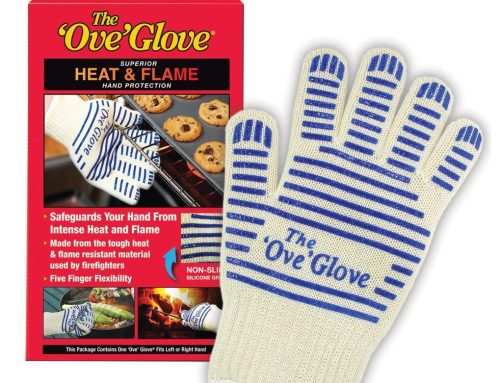
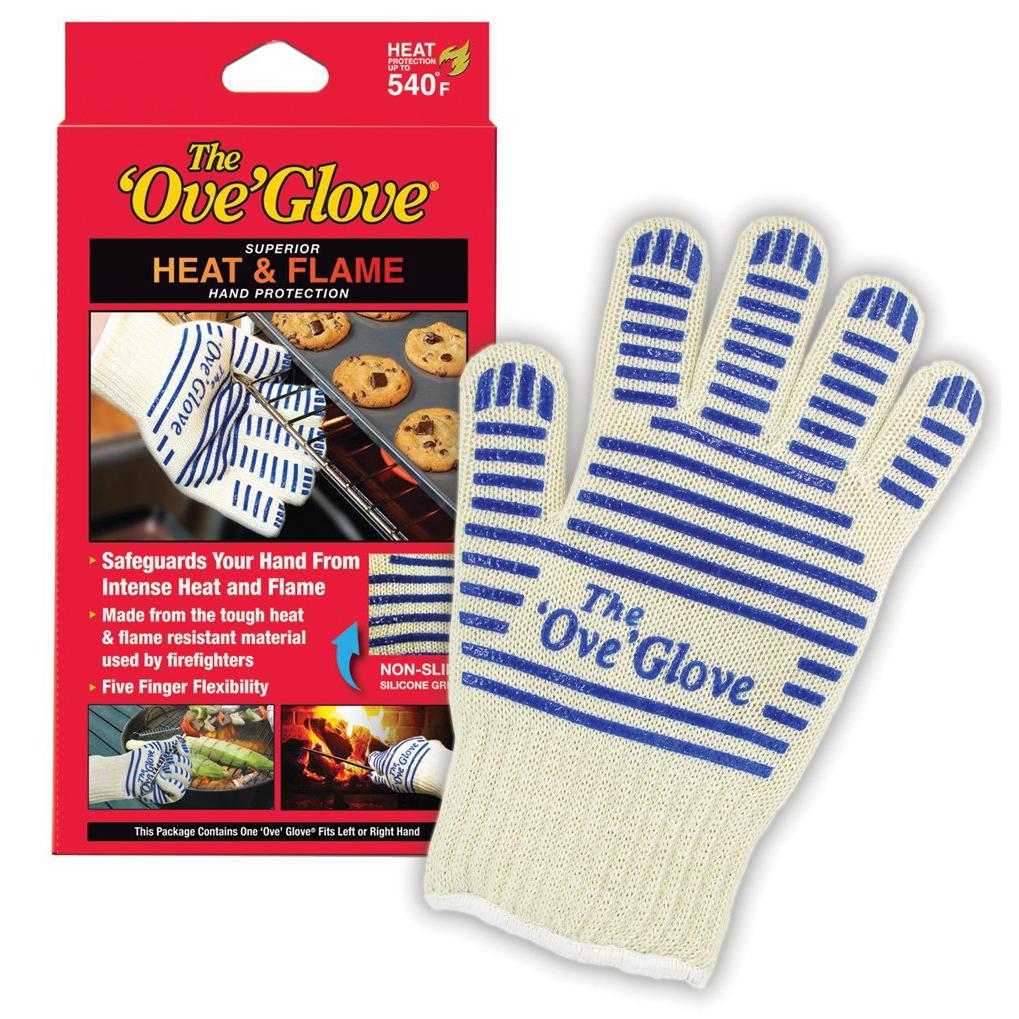
Never burn your hands again while cooking!

Best Egg Substitutes for Baking
Choosing the right egg substitute can be tricky, but with a little guidance, you can achieve moist and delicious results. Let’s explore some top contenders for egg substitutes.
Flaxseed Egg Alternative
Flaxseed is a fantastic choice if you’re looking for a natural option. Just mix one tablespoon of ground flaxseed with three tablespoons of water. Let it sit for about five minutes until it thickens. This mixture works well in recipes where binding is needed, like cookies or pancakes.
-
Why use it? It adds a slight nutty flavor and can improve texture.
-
Perfect for: Cookies and pancakes where binding and moisture are crucial.
If consistency is your concern, remember that not all recipes will yield the same results. Experiment a bit to get your desired outcome.
Yogurt Baking Substitute
Using yogurt as an egg replacement gives your baked goods a creamy texture. For each egg, use ¼ cup of yogurt. This option is great for recipes that need a bit of lift and moisture.
-
Advantages: Adds richness and tenderness.
-
Ideal for: Muffins and cakes where moisture retention is key.
You can swap yogurt in recipes that require a lighter crumb without sacrificing moisture or taste.
Applesauce in Baking
Applesauce is a classic egg substitute, providing moisture and a hint of sweetness. Use ¼ cup per egg in your recipe. It’s especially good in dense cakes or breakfast breads.
-
Highlights: Keeps baked goods moist.
-
Best in: Cakes and quick breads that benefit from added sweetness.
A little trial and error might be needed to perfect the texture, but the results can be delightful.
Solving Common Baking Failures
Understanding why things go wrong can help you fix them. Let’s tackle some usual baking issues and how to solve them.
Achieving Perfect Texture
Texture can make or break your baked goods, especially without eggs. To avoid dense results, ensure your batter is well-aerated. This means mixing just enough to combine ingredients without overdoing it.
-
Tip: Use a gentle hand when folding in dry ingredients.
-
Benefit: Light and fluffy bakes each time.
For more detailed troubleshooting, this baking guide might be helpful.
Maintaining Moisture in Baking Cookies
Dry cookies can be disappointing. To keep them moist, consider adding a bit of extra fat, like a tablespoon of oil or butter. Also, watch your oven temperature closely to avoid over-baking.
-
Strategy: Check cookies two minutes before the recommended time.
-
Outcome: Soft, chewy cookies that everyone loves.
For more tips on moisture retention, check out this moisture guide.
Creative Egg Replacements for Cakes
Cakes can be tricky without eggs, but with the right substitutes, you can still achieve a fluffy and moist result.
Alternatives to Eggs in Cookies
Cookies can be forgiving when it comes to egg replacements. Ground chia seeds are a great alternative, similar to flaxseed. Mix one tablespoon of chia seeds with three tablespoons of water for one egg.
-
Why chia? It holds moisture well and adds a pleasant texture.
-
Great for: Chewy cookies and energy bites.
Vegan Baking Tips
Baking vegan doesn’t mean sacrificing taste or texture. Remember to adjust your baking time and check consistency regularly.
-
Pro tip: Use plant-based milk or oil to enhance flavor and moisture.
-
Result: Delicious treats without the need for animal products.
By keeping these tips in mind, you’re well on your way to mastering egg-free baking. For further vegan baking tips, visit this vegan baking resource.
Feel empowered to experiment with these substitutes to suit your taste and dietary needs. Happy baking!
Never burn your hands again while cooking!
Ove Glove vs Silicone Oven Mitt: Which Is Better?
Ove Glove vs Silicone Oven Mitt: Which Is Better? Most people reach for a silicone oven mitt without thinking twice, but the Ove Glove offers a completely different kind of protection. Choosing the right oven protection can make your time in the kitchen safer and more comfortable, whether you’re baking [...]
Best Heat Resistant Gloves for Cooking and Baking
Best Heat Resistant Gloves for Cooking and Baking Handling hot pans and baking trays without the right protection can turn every cooking session into a risky task. Choosing the right heat resistant gloves makes all the difference between safe handling and painful burns. This guide breaks down the key features [...]
Best Oven Gloves for Dutch Ovens and Heavy Cookware
Best Oven Gloves for Dutch Ovens and Heavy Cookware Handling hot Dutch ovens and heavy cookware is tougher than most kitchen tasks. Using the wrong oven gloves can lead to burns or dropped pots, turning cooking into a risk. This guide breaks down the best oven gloves for Dutch oven [...]
Best Oven Gloves for Handling Hot Baking Sheets
Best Oven Gloves for Handling Hot Baking Sheets Handling hot baking sheets without the right protection can quickly turn from a simple task into a painful mistake. You need oven gloves that combine strong heat resistance with a secure grip and flexible fit to keep your hands safe and steady. [...]
10 Things to Look for When Buying Heat Resistant Cooking Gloves
10 Things to Look for When Buying Heat Resistant Cooking Gloves Most cooking gloves claim to protect you from heat, but many fall short when it matters most. Choosing the right pair can save your hands from burns and make handling hot pots safer. This buying guide for cooking gloves [...]
How to Choose the Best Heat Resistant Oven Gloves
How to Choose the Best Heat Resistant Oven Gloves Burning your hands while cooking is more common than you think. Many oven gloves fail to protect when it matters most, leaving you at risk. This guide breaks down the key oven glove features you need to watch for, so you [...]