
Mastering Meatloaf: Perfect Cook Times for Every Temperature and Method
Most meatloaf recipes leave you guessing how long to cook and at what temperature. You end up with dry edges or a soggy middle, wasting time and ingredients. This guide breaks down meatloaf cooking times with clear charts, comparing the oven and air fryer, plus juicy meatloaf tips you’ll want to try. Get ready to nail every step and savor a flavorful meatloaf recipe every time. For more insights, check out this helpful resource.
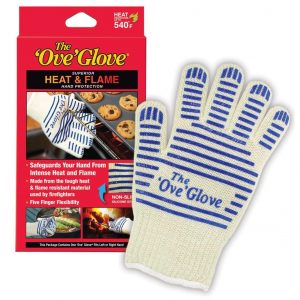
Never burn your hands again while cooking!

Perfect Meatloaf Cook Times
Understanding the right cooking time and temperature can transform your meatloaf from mediocre to mouthwatering. This section lays out precise details to ensure perfect results every time.
Meatloaf Temperature Chart
Cooking meatloaf to the right temperature ensures it’s safe and delicious. Here’s a simple temperature guide:
-
325°F: 1 hour 15 minutes per pound
-
350°F: 1 hour per pound
-
375°F: 45 minutes per pound
Aim for an internal temperature of 160°F for best results. Using a meat thermometer provides accuracy, avoiding over or under-cooking.
Juicy Meatloaf Tips
Keeping your meatloaf juicy can be a challenge, but these tips make it easy:
-
Use a mix of meats: Combining beef and pork adds moisture.
-
Don’t overmix: Gentle mixing prevents a dense texture.
-
Add moisture: Incorporate milk or broth for added juiciness.
Most people assume more breadcrumbs mean better texture, but less is more for a tender loaf.
Flavorful Meatloaf Recipe
Here’s a quick recipe to try:
-
Mix your meats: Use equal parts beef and pork.
-
Add binders and moisture: Combine with breadcrumbs, milk, and eggs.
-
Season generously: Use garlic, onion, and herbs for depth.
For a twist, try adding a dash of Worcestershire sauce for an extra kick.
Method Comparisons: Oven vs Air Fryer
Knowing the difference between cooking methods can add versatility to your kitchen skills. Let’s explore how the oven and air fryer stack up.
Cooking Meatloaf in Air Fryer
The air fryer offers a quick alternative:
-
Preheat to 370°F
-
Cook for 25-30 minutes: Flip halfway for even cooking
Using an air fryer results in a crispy outside and tender inside. For more details, check out this guide.
Oven vs Air Fryer Meatloaf
Here’s how they compare:
|
Method |
Time per pound |
Texture |
|---|---|---|
|
Oven |
1 hour |
Classic moist |
|
Air Fryer |
25-30 minutes |
Crisp outside |
The oven offers traditional results, while the air fryer is speedier and delivers a unique crust. Most people stick to the oven, but the air fryer is worth trying if you’re short on time.
Ingredient Variations for Success
Switching up ingredients can help you create a signature meatloaf. Let’s dive into what works best.
Popular Ingredient Substitutions
Looking to tweak your recipe? Consider these swaps:
-
Oats for breadcrumbs: Adds fiber and texture.
-
Greek yogurt for milk: Adds creaminess without extra fat.
-
Turkey for beef: A leaner option with a lighter taste.
Simple substitutions like these cater to dietary needs without sacrificing flavor.
Achieving a Delicious Crust
A perfect crust is the hallmark of great meatloaf:
-
Brush with glaze: Use ketchup or BBQ sauce.
-
Broil briefly: For extra caramelization, broil for 2-3 minutes.
Experimenting with glazes and cooking times can lead to the best results. The longer you wait to try new methods, the longer you miss out on a better meatloaf.
With these insights, you’re ready to create meatloaves that impress every time. No matter your method or ingredients, mastering the basics leads to a delicious payoff. Happy cooking!
Never burn your hands again while cooking!
How to Safely Remove a Hot Pan From the Oven
How to Safely Remove a Hot Pan From the Oven Removing a hot pan from the oven can quickly turn from a simple task into a painful mistake. Many home cooks underestimate the risks, leading to burns or spills that disrupt dinner plans. This guide breaks down how to remove [...]
How Hot Can an Oven Mitt Safely Handle? Temperature Guide
How Hot Can an Oven Mitt Safely Handle? Temperature Guide Most people assume all oven mitts can handle the same heat. That’s far from the truth—and it can put your fingers at risk. Knowing about oven mitt heat resistance and kitchen mitt materials can change how you protect yourself while [...]
Best Oven Gloves for Thanksgiving Turkey and Roasting Pans
Best Oven Gloves for Thanksgiving Turkey and Roasting Pans Handling a Thanksgiving turkey and heavy roasting pans without the right gloves is a recipe for burned hands and dropped dishes. When your oven mitts can’t keep up, the stress of holiday cooking only grows. Let’s cut through the noise and [...]
Why Do Oven Mitts Get Hot? 7 Reasons Your Hands Feel Heat
Why Do Oven Mitts Get Hot? 7 Reasons Your Hands Feel Heat Oven mitts are supposed to protect your hands from heat, but sometimes they leave you feeling painfully warm. You’re not alone if you’ve wondered why even the best mitts can let heat slip through. This post breaks down [...]
Are Silicone Oven Mitts Better Than Fabric Oven Mitts?
Are Silicone Oven Mitts Better Than Fabric Oven Mitts? Most people grab fabric oven mitts without thinking twice, but silicone oven mitts have quietly taken over many kitchens. If you’ve ever struggled with a mitt that’s too flimsy or soaked through, you know the frustration. This oven mitt comparison breaks [...]
Best Oven Gloves for People Who Hate Bulky Oven Mitts
Best Oven Gloves for People Who Hate Bulky Oven Mitts Bulky oven mitts can make handling hot cookware feel clumsy and awkward, turning simple kitchen tasks into a hassle. If you’ve been searching for oven gloves that offer protection without the bulk, you’re not alone. This guide breaks down the [...]


