
Essential Pasta Cooking Tips: Preventing Steam Burns in Your Kitchen
Draining pasta safely can feel like a risky move when that hot steam rises without warning. You’ve probably burned your hands or worried about splashing boiling water more than once. This guide will show you smart pasta cooking tips and kitchen safety tricks, including how to use tongs, colanders, and oven gloves to keep you protected while handling hot pots. Keep reading to learn easy ways to avoid steam burns and make your cooking time safer. For more on steam burns and how to treat them, check out this resource.

Get FREE shipping on the Ove Glove today!
Understanding Steam Burns
Burns in the kitchen can happen when you least expect them. When cooking pasta, steam can reach temperatures that cause serious harm.
Causes and Risks in Cooking
Steam burns often occur during routine tasks like draining pasta. The steam rises quickly, and without warning, your skin can feel the intense heat. Even if you’re quick, that brief exposure can lead to painful burns. The most common risk factor is pouring hot water into a colander without considering steam direction. To avoid this, always be aware of steam paths and maintain a safe distance. It’s crucial to handle hot pots carefully and position your body correctly.
Long-term Effects on Skin
Steam burns are not just painful—they can leave lasting marks. 40% of kitchen burns are steam-related, and they can lead to scarring if not treated properly. Quick action is essential to minimize damage. Cooling the burn immediately can help reduce long-term effects. For more detailed guidance on treating steam burns, visit this comprehensive guide.
Essential Pasta Cooking Tools
Having the right tools makes cooking safer and more enjoyable. Each tool serves a specific purpose in preventing steam burns.
Choosing the Right Colander
Not all colanders are created equal. When selecting one, look for a design that allows steam to escape safely. Stainless steel colanders are sturdy and heat-resistant, providing better protection. Avoid plastic colanders as they can melt or warp under high heat. The design should facilitate easy handling while keeping steam away from your hands.
Benefits of Using Tongs
Tongs are more than just a tool—they’re your safety ally. By using them to hold pasta, you keep your hands away from hot water and steam. Long-handled tongs provide better control and reduce the risk of burns. They’re also perfect for turning pasta or lifting it gently without splashing hot water.
The Role of the Ove Glove
Ove Gloves are designed to withstand high temperatures, offering vital protection. With their non-slip grip, they make handling hot pots easier. Using these gloves, you can confidently pour water without fear of burns. They’re like a superhero suit for your hands, especially when paired with other safety tools.
Techniques for Draining Pasta Safely
Protect yourself with smart techniques that minimize risks while enhancing your cooking experience.
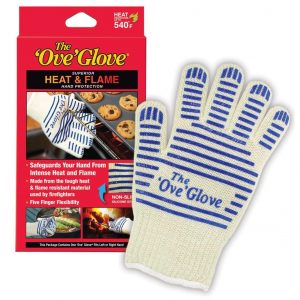
Protect your hands while cooking with the Ove Glove
Positioning Your Hands and Body
Where you stand matters. Always position yourself to the side of the pot, not directly above it. This simple adjustment keeps steam away from your face and hands. Keep elbows bent and hands steady, ensuring a firm grip on the pot.
Effective Use of Kitchen Tools
Using kitchen tools correctly can prevent many accidents. A colander placed securely in the sink reduces splash risk. Pour slowly, allowing steam to escape gradually. Tongs and gloves are your best friends here—use them to guide and support the pot as you drain.
Alternative Cooling Techniques
If you’re worried about steam, chilling your pasta briefly can help. Pour cold water over the pasta while it’s in the colander, reducing temperature and steam. Although not traditional, this technique can be a game-changer for your safety.
Best Practices for Kitchen Safety
Prioritize safety to prevent accidents and ensure a pleasant cooking session every time.
Creating a Safe Cooking Environment
A well-organized kitchen is a safe kitchen. Keep your workspace clear of clutter and ensure all tools are within reach. This organization reduces accident risks and makes cooking more efficient. Regularly check for potential hazards like wet floors or loose cords.
Tips for Preventing Accidents
Implement small changes to prevent big mishaps. Always use dry mitts and handle hot items with care. Stay attentive and never leave cooking unattended. These steps create a proactive safety culture in your kitchen.
Safety Gear and Equipment
Investing in quality gear can save you from painful injuries. Heat-resistant gloves, sturdy colanders, and reliable tongs are essential. Keep a first aid kit nearby for immediate response to any minor burns or cuts.
Enhancing Your Pasta Cooking Skills
With safety mastered, you can focus on improving your culinary prowess and cooking with confidence.
Mastering Basic Cooking Techniques
Perfecting basic techniques makes cooking less stressful and more enjoyable. Practice using your tools until they feel like extensions of your hands. Familiarity breeds confidence, reducing mistakes and enhancing results.
Expanding Your Culinary Repertoire
Once you’re comfortable with pasta, try incorporating new ingredients and flavors. This boosts your skills and keeps meals exciting. Experimenting also helps you adapt to different cooking situations with ease.
Building Confidence in the Kitchen
Confidence grows with each successful dish. Celebrate small victories and learn from mistakes. The more you cook, the more assured you’ll become, turning your kitchen into a realm of creativity and safety.


All major credit cards accepted
Free Shipping – Order – Track Order – Contact Us
Best Oven Gloves for Handling Hot Baking Sheets
Best Oven Gloves for Handling Hot Baking Sheets Handling hot baking sheets without the right protection can quickly turn from a simple task into a painful mistake. You need oven gloves that combine strong heat resistance with a secure grip and flexible fit to keep your hands safe and steady. [...]
10 Things to Look for When Buying Heat Resistant Cooking Gloves
10 Things to Look for When Buying Heat Resistant Cooking Gloves Most cooking gloves claim to protect you from heat, but many fall short when it matters most. Choosing the right pair can save your hands from burns and make handling hot pots safer. This buying guide for cooking gloves [...]
How to Choose the Best Heat Resistant Oven Gloves
How to Choose the Best Heat Resistant Oven Gloves Burning your hands while cooking is more common than you think. Many oven gloves fail to protect when it matters most, leaving you at risk. This guide breaks down the key oven glove features you need to watch for, so you [...]
What Makes an Oven Glove Heat Resistant? Materials Explained
What Makes an Oven Glove Heat Resistant? Materials Explained Most oven gloves look similar, but their ability to protect your hands from heat varies widely. Choosing the right heat resistant oven gloves means understanding what goes inside them—the materials and design that keep burns at bay. This post breaks down [...]
Can You Use Oven Gloves on a Grill?
Can You Use Oven Gloves on a Grill? Using oven gloves on a grill might seem like a simple choice, but not all gloves are made to handle open flames and intense heat. Many home cooks assume their kitchen gloves offer enough protection, only to find out the hard way [...]
Can You Use an Oven Glove for a Cast Iron Skillet?
Can You Use an Oven Glove for a Cast Iron Skillet? Cast iron skillets can be a challenge when it comes to handling heat safely. Many cooks wonder if ordinary oven gloves provide enough protection against the intense temperatures these pans reach. This post breaks down how oven gloves perform [...]


