
The Ultimate Guide to Kitchen Safety: Protecting Yourself from Burns and Injuries
Removing hot cast iron from the oven is one of the trickiest parts of cooking, and without the right care, burns happen fast. You probably already know the pain of fumbling with oven gloves that don’t offer enough high-temperature protection. This guide shares clear cast iron tips and kitchen safety tricks to help you handle hot cookware safely, so every meal ends with flavor, not injury. For more insights, check out this link.

Order the Ove Glove today and get FREE shipping!
Understanding Kitchen Safety Basics
Getting familiar with kitchen safety can make all the difference in your cooking adventures. It’s not just about avoiding injuries; it’s about creating a space where you can cook with confidence.
Importance of Oven Safety
Your oven is a powerhouse in the kitchen, but it can also be dangerous if not handled with care. Burns are common when removing dishes from a hot oven. Always take a moment to ensure that your hands and arms are protected. Using the right equipment and techniques helps prevent burns and keeps you safe while cooking.
Essential Kitchen Safety Equipment
Equipping your kitchen with the right tools is crucial. Start with quality oven mitts or gloves designed for high-temperature protection. Invest in easy-to-use timers to avoid overcooking your meals, and ensure your smoke detector is functional. These tools are your first line of defense in maintaining a safe kitchen environment.
Creating Safe Cooking Spaces
A well-organized kitchen can prevent accidents. Designate specific areas for hot items to cool down and ensure pathways are clear of obstacles. Keep flammable items away from your stove and oven. By maintaining a tidy cooking space, you reduce the risk of accidents and enhance your overall cooking experience.
Preventing Burns with Cast Iron
Handling cast iron can be challenging due to its high heat retention. Understanding how to manage this cookware is essential for safe and enjoyable cooking.
Proper Use of Oven Mitts
Not all oven mitts are created equal. When dealing with cast iron, choose mitts specifically designed to withstand high temperatures. Ensure they fit well and cover your wrists for extra protection. This simple precaution can shield you from serious burns.
Handling Hot Cookware Safely
When moving hot cast iron, always use both hands for better stability. Place a trivet or heat-resistant mat nearby to avoid placing hot cookware directly on countertops. This strategy minimizes the risk of accidental burns and keeps your surfaces safe.
High-Temperature Protection Tips
High temperatures require extra vigilance. Always use oven gloves that can handle the heat, and never use wet cloths or towels, as they can transfer heat quickly. By sticking to these simple practices, you ensure safety while cooking at high temperatures.
Safe Techniques for Cast Iron Care
Proper care for your cast iron not only prolongs its life but also enhances your safety in the kitchen.
Letting Cast Iron Cool Down
Allowing your cast iron to cool down naturally is important. Rushing this process can lead to accidents. Once your meal is ready, turn off the heat and let the cookware sit. This helps prevent burns and maintains the quality of your cast iron.
Designated Spaces for Hot Cookware
Having a specific spot for hot items is key. Use a cooling rack or a designated counter area with heat-resistant materials. This setup prevents accidents and keeps your kitchen organized.
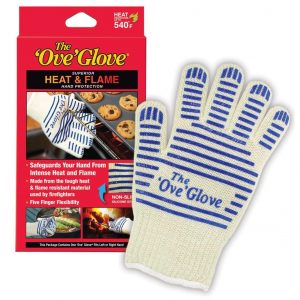
Protect your hands while cooking with the Ove Glove
Cast Iron Tips for Home Cooks
For home cooks, understanding cast iron care is essential. Keep your cookware seasoned to ensure a non-stick surface and avoid using harsh detergents. By following these tips, you’ll enjoy your cast iron for years without compromising safety.
Role of Safety Equipment in Kitchens
Safety equipment is not just about protection; it’s about ensuring a smooth cooking process.
Choosing the Right Oven Gloves
Selecting the right oven gloves can make a big difference. Look for gloves that offer a good grip and high heat resistance. The right gloves can transform your cooking experience, making it safer and more enjoyable.
Benefits of Using an Ove Glove
An Ove Glove provides excellent protection due to its high-temperature tolerance. It’s designed to fit comfortably, allowing for better control when handling hot items. This small investment offers peace of mind every time you cook.
Additional Cooking Tips for Safety
Aside from gloves, consider using silicone mats and trivets. These tools provide additional safety when dealing with hot cookware. Keep a first aid kit nearby as a precaution. Such small steps go a long way in enhancing kitchen safety.
Building Confidence in the Kitchen
Confidence in the kitchen stems from knowledge and preparation. By understanding safety basics, you create an environment where you can cook with ease.
Empowering Home Cooks
Learning and applying these safety tips empowers you as a home cook. With the right tools and knowledge, you feel more prepared to tackle any recipe, knowing that safety is a priority.
Achieving a Safe Cooking Environment
By organizing your kitchen and using appropriate safety equipment, you create a haven for cooking. This environment allows you to focus on what’s important: crafting delicious meals for yourself and loved ones.
Enjoying Delicious Meals Safely
Ultimately, the goal is to enjoy your cooking without fear of injury. By adopting these safety practices, you can savor each meal, knowing you’ve taken the necessary precautions to protect yourself.
By adhering to these guidelines, you’ll not only prevent burns while removing cast iron from the oven but also enhance your overall culinary experience.


All major credit cards accepted
Free Shipping – Order – Track Order – Contact Us
Oven Mitts vs Oven Gloves: What’s the Difference?
Oven Mitts vs Oven Gloves: What's the Difference? Most people grab whatever is handy when reaching for hot cookware, but oven mitts and oven gloves are not the same. Choosing the wrong one can cost you in safety and comfort. This cooking tools comparison breaks down how their designs, materials, [...]
How to Protect Your Hands From Burns While Cooking
How to Protect Your Hands From Burns While Cooking Burns in the kitchen happen more often than you think, and they can ruin your cooking time fast. Keeping your hands safe isn’t just about luck—it’s about using the right tools and knowing smart ways to handle hot cookware. In this [...]
Best Oven Mitts for Dutch Ovens and Cast Iron Cookware
Best Oven Mitts for Dutch Ovens and Cast Iron Cookware Heavy cast iron and Dutch ovens hold heat like a furnace, making every grab a potential burn risk. If your oven mitts aren’t up to the task, you’re asking for trouble. This guide breaks down the best oven mitts for [...]
How to Handle a Cast Iron Skillet Safely When It’s Hot
How to Handle a Cast Iron Skillet Safely When It's Hot Handling a hot cast iron skillet can feel like walking a tightrope without a safety net. One wrong move, and you risk burns or spills that ruin your cooking flow. This guide will share practical cooking safety tips and [...]
How to Safely Remove a Hot Baking Dish From the Oven
How to Safely Remove a Hot Baking Dish From the Oven Burns from hot baking dishes happen more often than you might think, and a split second of carelessness can ruin your day. You want to enjoy your delicious meals without risking painful accidents or messy spills. Learning how to [...]
Can You Use Oven Mitts on a Grill?
Can You Use Oven Mitts on a Grill? Grilling at high heat demands gear that keeps your hands safe from sudden flare-ups and scorching racks. Many wonder if their trusty oven mitts can handle the heat outdoors or if specialized grilling gloves are a must. This post breaks down what [...]


