
The Best Oven Mitts for Dutch Oven Handling
Moving a hot Dutch oven without the right gear can turn a simple meal into a risky mess. If you’ve ever burned your hands or spilled food trying to carry one, you know the frustration all too well. This guide will show you how to use oven mitts for Dutch oven handling and other smart tips for safely moving Dutch oven cookware from oven to table. You’ll learn the best ways to protect yourself and your kitchen while serving up your favorite dishes. Check out this guide for more insights on finding the best oven mitts.

Get FREE shipping on the Ove Glove today!
Essential Safety Tips
Getting a hot Dutch oven from the oven to the table can be tricky. Let’s explore the key points to keep in mind to ensure safety in your kitchen.
Safely Moving Dutch Oven
You need to approach moving a Dutch oven with caution. You want to avoid spills that can ruin your meal or even worse, cause burns.
-
Use both hands: Always grab the pot with both hands to keep it stable.
-
Clear your path: Make sure there’s nothing in your way before moving it.
-
Avoid slippery surfaces: Place the Dutch oven on a stable, non-slip surface once you move it.
These simple steps can help you feel more secure and prevent kitchen accidents.
Preventing Burns with Dutch Oven
Burns are a real risk when handling hot cookware. Here’s how to protect yourself:
-
Wear proper mitts: Good oven mitts cover your wrists and forearms to shield against heat. Check out this resource for community advice on the best mitts.
-
Be patient: Let the pot cool a bit before moving it if you can wait.
-
Keep children away: Ensure kids are not nearby when handling hot items.
By taking these precautions, you can enjoy your cooking without the worry of burns.
Choosing the Right Mitts
Choosing the best mitts can make a significant difference in safety. Let’s find out what works best for handling a Dutch oven.
Best Oven Mitts for Dutch Oven
Finding the ideal oven mitts is crucial for safe handling. You need mitts that offer maximum protection and comfort.
-
Heat resistance: Look for mitts that can withstand high temperatures.
-
Flexibility: Mitts should allow easy movement for a better grip.
-
Material quality: Choose durable materials like silicone or heavy-duty fabric.
Refer to this list of the best pot holders to discover more options that suit your needs.
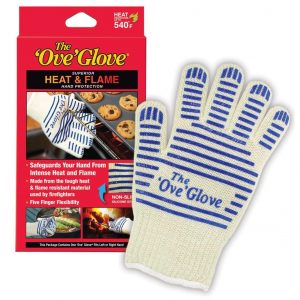
Protect your hands while cooking with the Ove Glove
Benefits of Oven Gloves
Oven gloves can offer unique advantages over traditional mitts. Here’s why you might prefer them:
-
Full coverage: Gloves provide better protection for your fingers and wrists.
-
Improved grip: They allow for a more secure hold, reducing the chance of dropping your cookware.
-
Versatility: Useful for other kitchen tasks beyond just handling the oven.
Explore various options on Amazon to find gloves that match your cooking style.
Proper Handling Techniques
Knowing how to handle a Dutch oven correctly is crucial. Here’s how you can master this skill.
How to Use Dutch Oven
Using a Dutch oven effectively starts with understanding its functions and features:
-
Preheat correctly: Ensure even cooking by preheating your oven with the Dutch oven inside.
-
Lid management: Use the lid to control moisture and flavor but handle it with care to avoid burns.
-
Weight distribution: Remember, these pots are heavy. Always distribute weight evenly when lifting.
For more detailed tips, consider joining communities like Sourdough Geeks to learn from other Dutch oven users.
Transferring Hot Cookware Safely
When it’s time to move your hot Dutch oven, follow these guidelines:
-
Plan your move: Know exactly where you’re going to place the pot before you lift it.
-
Use stable tools: A sturdy trivet or heat-resistant mat will protect your surfaces and keep the pot steady.
-
Slow and steady: Take your time to avoid accidents.
These strategies will help ensure that your delicious dishes make it to the table safely.
Protecting Your Surfaces
Protecting your surfaces from heat damage is essential. Here’s how to keep them safe.
Trivet for Hot Dutch Oven
A trivet is more than just a stand for your pot. It’s a crucial kitchen tool:
-
Heat barrier: Prevents direct heat contact with your table or counter.
-
Stability: Keeps your Dutch oven steady, reducing the risk of spills.
-
Variety: Trivets come in various designs to match your kitchen’s style.
Consider quality options like this highly rated trivet to keep your surfaces intact.
Heat-Resistant Table Solutions
Beyond trivets, you may want additional protection for your tables:
-
Heat pads: Offer extra cushioning and heat resistance.
-
Table mats: Protect larger areas and add some decorative flair.
-
Multi-layer protection: Using a combination of trivets and mats offers extra security.
These solutions ensure that your dining experience remains elegant and worry-free.
Mastering the Grip
An effective grip is essential for handling your Dutch oven safely. Now, let’s focus on the physical techniques to master it.
Correct Body Positioning
Your stance plays a vital role in safely lifting heavy cookware:
-
Stand firm: Keep your feet shoulder-width apart for balance.
-
Use your legs: Bend your knees slightly to lift with your legs, not your back.
-
Align your body: Keep the pot close to your body to avoid strain.
Proper positioning can reduce the risk of injury and make lifting heavy items easier.
Secure Hold for Confidence
A secure hold is necessary for confidence in the kitchen:
-
Wrap your hands: Ensure your fingers are snug around the handles.
-
Check for stability: Test your grip before fully lifting the pot.
-
Practice: Familiarize yourself with these techniques to build confidence.
With practice, you’ll find that handling your Dutch oven becomes second nature, allowing you to focus more on your culinary creations.


All major credit cards accepted
Free Shipping – Order – Track Order – Contact Us
Best Oven Mitts for Pizza Ovens
Best Oven Mitts for Pizza Ovens Handling a pizza oven without the right gear can quickly lead to burns or dropped pies. When temperatures soar, your regular kitchen mitts won’t cut it—you need the best oven mitts designed specifically for pizza ovens. From extra-long heat resistant mitts to grips that [...]
How Often Should You Replace Your Oven Mitts?
How Often Should You Replace Your Oven Mitts? Oven mitts don’t last forever, but most people don’t know when to replace them. If your mitts show frayed fabric, strange smells, or feel less heat resistant, they might be putting you at risk. Knowing the signs of worn oven mitts and [...]
Heat Resistant Gloves: What Temperature Can They Handle?
Heat Resistant Gloves: What Temperature Can They Handle? Most heat resistant gloves claim to protect you from extreme temperatures, but can they really handle the heat you face every day? Choosing the wrong pair could leave you burned or limit your grip when you need control. This post breaks down [...]
How to Prevent Burns When Taking Food Out of the Oven
How to Prevent Burns When Taking Food Out of the Oven Burns in the kitchen happen more often than you think, especially when handling hot dishes straight from the oven. If you’ve ever flinched from a sudden steam burst or struggled with slippery mitts, you’re not alone. This post shares [...]
Can Oven Mitts Get Wet? Why Moisture Makes Heat Protection Worse
Can Oven Mitts Get Wet? Why Moisture Makes Heat Protection Worse Using wet oven mitts is more dangerous than most people realize. Moisture can sneak into the fabric and cut down its heat protection, putting your hands at risk. If you care about kitchen safety, understanding the moisture impact on [...]
Best Oven Gloves for Air Fryers
Best Oven Gloves for Air Fryers Handling hot air fryer baskets without the right gloves can turn meal prep into a risky task. Many oven gloves fall short when it comes to heat resistance, grip, or flexibility, making it harder to cook safely and comfortably. This guide highlights the best [...]


