From Sizzle to Safe: The Importance of High Heat Resistance in Oven Mitts for Home Cooks
You pull your oven mitts off expecting relief, but the heat still stings your skin. Cheap mitts often miss the mark because they don’t block heat transfer well, leaving you vulnerable to burns. Understanding how insulation and grip improvement work together can change how you protect your hands and boost kitchen safety. Let’s explore why high heat resistance in oven mitts is not just a bonus, but a must-have for every home cook. For more information, visit this link.

Understanding Heat Transfer in Cooking
Grasping heat transfer is key to understanding how oven mitts protect you. This section will take you through the basics and reveal why your mitts might still leave your hands feeling hot.
Basics of Heat Transfer
Heat transfer occurs in three main ways: conduction, convection, and radiation. When you grab a hot pan, conduction is at play. The heat from the pan moves directly to the mitt and then to your hand. Convection and radiation play smaller roles but still influence how the heat moves around. Remember, your mitt is the first line of defense against these forces.
Why Cheap Mitts Fail
Budget-friendly mitts often use low-quality materials that do not block heat effectively. They might look and feel thick, but the material’s composition matters more. Materials like cotton and polyester might feel soft but don’t provide enough protection against high temperatures. As a result, heat seeps through, putting your hands at risk of burns.
Importance of Proper Insulation
Insulation is what keeps the heat from reaching your skin. Quality mitts use materials like silicone or aramid fibers. These materials can withstand higher temperatures without letting heat pass through. Investing in well-insulated mitts means fewer burns and more confidence when cooking.
The Role of High Heat Resistance
High heat resistance in your mitts can be a game-changer. It impacts your cooking experience significantly, making it safer and more enjoyable.
Benefits for Home Cooks
For the home cook, high heat resistance means more than just safety. It allows you to handle hot dishes with ease and confidence. You can move swiftly around the kitchen, knowing your mitts will protect you. No more hesitating or second-guessing when reaching into a hot oven.
Preventing Burns Effectively
Burns are painful and can be serious. High heat resistance helps prevent burns by stopping heat before it reaches your skin. When mitts are resistant to high temperatures, you gain peace of mind. You focus on your cooking without the constant worry of getting hurt.
Key Features to Look For
When shopping for mitts, look for these key features:
-
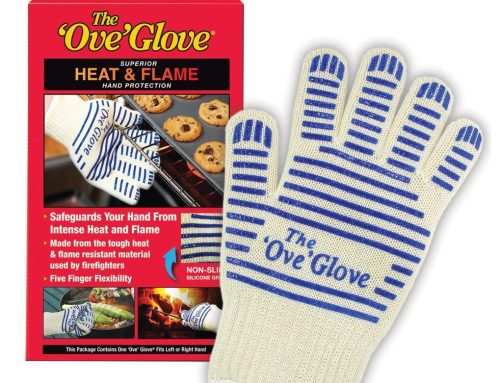
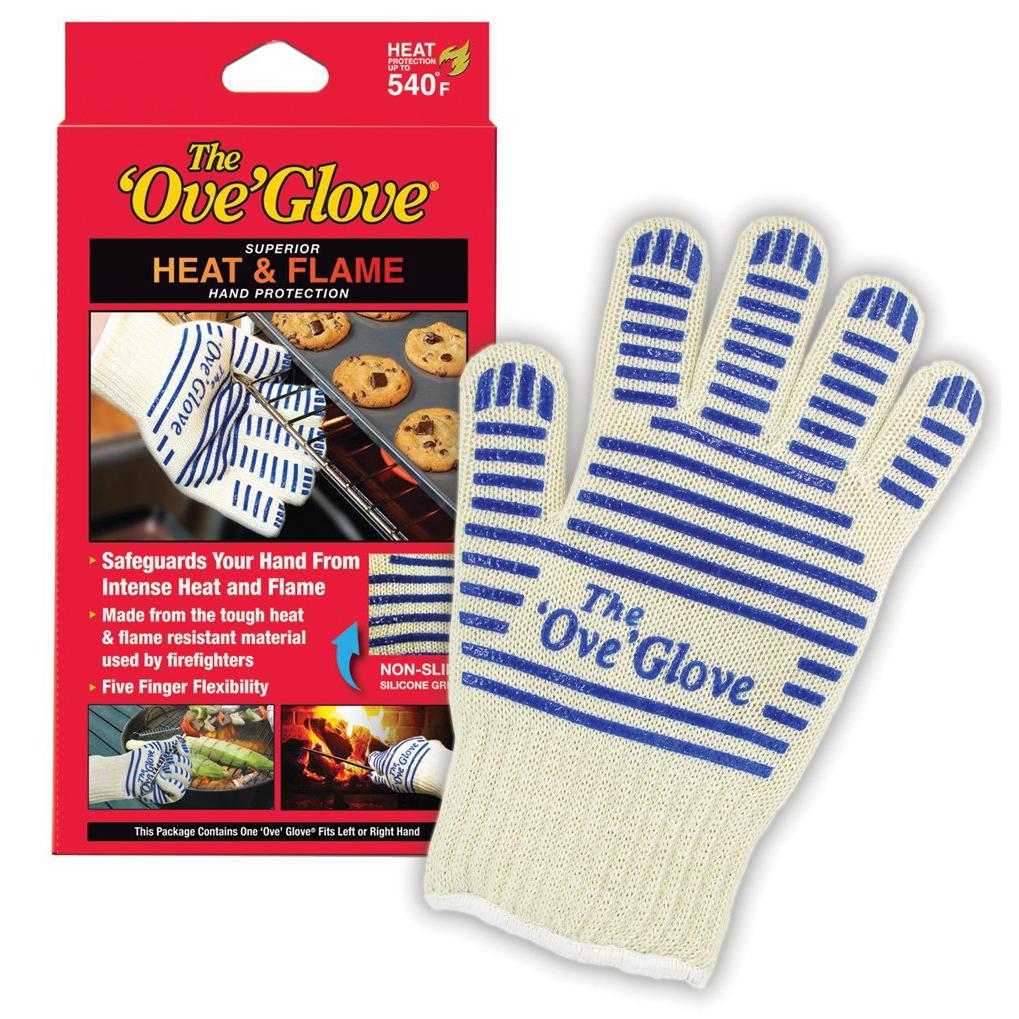
High-Quality Insulation: Materials like silicone and aramid fibers
-
Thick and Durable Construction: Not too bulky, but firm enough to block heat
-
Comfortable Fit: Snug, not tight, allowing for easy movement
Enhancing Kitchen Safety
Kitchen safety is paramount, and improving your mitts’ grip can make a big difference. Let’s examine how grip improvement adds another layer of protection.
Importance of Grip Improvement
A firm grip is crucial when handling hot items. Slip-resistant mitts help you hold onto pans and trays securely. This reduces the risk of dropping hot items and causing spills or burns.
Preventing Accidental Slips
Slips in the kitchen can be dangerous. Grip improvement in mitts helps prevent these accidents. Special textures or patterns enhance your hold on slick surfaces. You can confidently move items without fear of slipping.
Choosing the Right Materials
When choosing mitts, materials matter for grip, too. Look for:
-
Silicone Overlays: Provide excellent grip
-
Textured Surfaces: Improve hold on smooth or slippery items
-
Flexible Fit: Ensures comfort and dexterity
Exploring Oven Mitt Technology
The evolution of oven mitts has brought about exciting advancements. Let’s dive into what’s new in insulation and grip design.
Advances in Insulation Materials
Modern insulation materials offer better protection. New fibers and composites withstand higher temperatures. This innovation means less heat transfer and more safety for you. Check out this article to learn more about advanced materials.
Innovations in Grip Design
Innovative grip designs incorporate unique textures and patterns. These features enhance your ability to hold onto hot items securely. New grip technologies prevent slips and ensure safety, making your kitchen experience smoother.
Evaluating Heat Resistance Ratings
Understanding heat resistance ratings is key when choosing mitts. Look for ratings that indicate high performance at temperatures you commonly encounter. Knowing these ratings helps you make informed decisions, ensuring your mitts meet your needs. Consider visiting this page for further insight.
In conclusion, embracing high heat resistance and improved grip in oven mitts enhances your kitchen safety significantly. By choosing the right materials and understanding the technology, you protect your hands and elevate your cooking confidence.

All major credit cards accepted
Free Shipping – Order – Track Order – Contact Us
Top Indicators It’s Time to Replace Your Kitchen Equipment for Safer Cooking
Top Indicators It's Time to Replace Your Kitchen Equipment for Safer Cooking Your oven glove might look fine at first glance, but worn-out fabric and melted surfaces signal serious risks. Ignoring wear and tear signs on your kitchen safety gear can turn everyday cooking into a dangerous task. Spotting these [...]
Avoiding Burns When Reheating Food in Glass
Mastering Microwave Safety: Avoiding Burns When Reheating Food in Glass Burns from reheating food in glass bakeware happen more often than you think. Many people don’t realize how crucial microwave safe glass and proper cooling times are to prevent thermal shock in glass. By using oven mitts safety and spotting [...]
Essential Kitchen Safety Tips for Preventing Burns
Protect Your Home: Essential Kitchen Safety Tips for Preventing Burns Most home cooks focus on stovetops and ovens when thinking about kitchen safety, but there’s a hidden danger many miss: hot cabinet doors. These surfaces can heat up enough to cause painful burns without warning. By spotting how heat travels [...]
Tips to Prevent Common Kitchen Injuries
Safeguard Your Culinary Space: Tips to Prevent Common Kitchen Injuries Every year, thousands end up in the ER because of kitchen accidents that sneak up on even the most careful cooks. You might think a quick slice or a minor spill won’t cause trouble, but preventing burns, slips, and knife [...]
What Every Home Cook Needs to Know
Understanding Thermal Resistance: What Every Home Cook Needs to Know Most oven gloves fail when temperatures soar above 400 degrees. You don’t have to settle for burned hands or ruined meals. Understanding thermal resistance and the role of heat resistant materials like silicone cooking utensils, aramid fibers, and cotton insulation [...]
A Guide for Safe Cooking and Material Choices
Why Kitchen Surfaces Retain Heat: A Guide for Safe Cooking and Material Choices Some kitchen surfaces hold heat so long, they could burn you long after the stove is off. Knowing why this happens can save you from painful accidents and help you choose materials that suit your cooking style. [...]