
The Science Behind Thickness and Layering in the Best Cooking Gloves
Most cooking gloves promise heat resistance, but only a few truly deliver when you’re pulling something hot from the oven. The secret lies in thickness and layering, along with the right cooking gloves materials and grip technology in gloves. Understanding these factors can change how you protect your hands and improve cooking safety. Let’s break down what makes the best cooking gloves stand out beyond the surface. For more insights, check out this guide.

Get FREE shipping on the Ove Glove today!
Understanding Heat Resistance
The journey to finding the best cooking gloves begins with understanding heat resistance. This key feature ensures that your hands are safe while handling hot items. Let’s discover what makes a glove heat resistant.
Science of Heat Resistant Cooking Gloves
Heat resistant cooking gloves use special materials to protect your hands. These materials prevent heat from passing through the glove quickly. Imagine wearing gloves made from metal: heat would pass through fast. But with materials like aramid fibers, heat takes longer to transfer. This delay gives you more time to handle hot items safely.
Another factor is the thickness of the gloves. Thicker gloves provide more protection because they add layers that slow down heat transfer. Think of it like wearing a thick winter coat versus a thin jacket on a cold day. This principle applies to gloves too, giving you a buffer against heat. It’s also important to note that some gloves have silicone patterns on the surface. These patterns can add extra grip, ensuring you don’t drop what you’re holding.
Factors Influencing Heat Resistance
Various factors affect how well a glove can resist heat. First, the type of material used is crucial. Materials like silicone and aramid fibers are common because they handle heat well. Second, the glove’s construction impacts resistance. More layers typically mean better protection. Lastly, the fit of the glove is important. A snug fit helps maintain dexterity while keeping heat out.
Your choice in gloves can make all the difference. For example, a glove that is too loose may allow heat to sneak in around the edges. On the other hand, a glove that fits well provides a secure barrier. The balance between fit, material, and construction is what makes a glove truly effective. To explore more about heat resistant gloves, check out this detailed review.
Exploring Thickness and Layering
Thickness and layering are integral to how cooking gloves keep you safe. These features add protection and enhance the glove’s heat resistance.
Importance of Thickness and Layering
Thickness in gloves adds a layer of safety. The more material between your hand and the heat source, the better. Imagine stacking blankets over your hand: the thicker the layers, the less heat you feel. This concept applies directly to cooking gloves. More thickness equals more protection when handling hot items.
However, thickness alone isn’t enough. The type of material and how it layers matter too. Layers made of different materials can work together to improve performance. For instance, combining heat-resistant fibers with silicone can offer both protection and grip. This combination is what makes a glove not only safe but also practical.
How Layers Enhance Protection
Layers in gloves act like shields. Each layer slows down the heat, preventing it from reaching your skin too quickly. For example, a glove with multiple layers can handle higher temperatures compared to a single-layer glove. This is because each layer takes its turn absorbing and dispersing heat.
In practice, layered gloves provide a perfect balance. They allow you to hold hot items longer without discomfort. They also maintain flexibility, letting you move your fingers easily. Remember, each layer plays a role in making a glove both protective and functional. For more examples of effective layering, check out this comprehensive article.
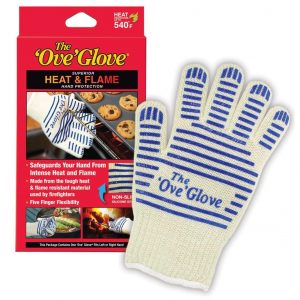
Protect your hands while cooking with the Ove Glove
Material Matters in Gloves
The materials used in cooking gloves are crucial for safety. Choosing the right material can significantly affect how well a glove performs.
Key Cooking Gloves Materials
Cooking gloves materials vary widely. Some common ones include silicone, aramid fibers, and cotton. Silicone is known for its heat resistance and non-slip properties. Aramid fibers resist high temperatures and are often used in firefighting gear. Cotton, while comfortable, is less heat resistant but often used in oven mitts for its softness.
Each material has its strengths. Silicone is great for grip and heat resistance. Aramid fibers are lightweight yet durable. Understanding these materials helps you choose the right glove for your needs. For more on the best material choices, visit this expert guide.
Impact of Material Choice on Safety
Material choice directly affects your safety in the kitchen. A glove made with high-quality materials can withstand higher temperatures and last longer. For instance, aramid fiber gloves are known to handle up to 500°F, making them ideal for grilling and baking.
On the other hand, low-quality materials may wear down quickly, reducing their effectiveness. This can lead to accidents in the kitchen. Ensuring your gloves are made from reliable materials is vital for ongoing protection. Understanding these differences helps you make informed decisions when purchasing gloves.
Mastering Grip Technology
Grip technology plays a key role in preventing accidents in the kitchen. A glove with a good grip can keep you safe by preventing slips.
Evolution of Grip Technology in Gloves
Grip technology in gloves has come a long way. Early gloves were often slippery, making them risky to use with heavy pots. Today, many gloves use silicone patterns to enhance their grip. These patterns help you hold items securely, even when wet.
Manufacturers have also developed new materials that improve grip. For instance, some gloves have raised silicone lines that add extra traction. This innovation allows you to handle hot dishes with confidence. As grip technology evolves, gloves become more versatile and reliable. For the latest grip innovations, see this review.
Benefits of Enhanced Grip
Enhanced grip offers several benefits. First, it reduces the chance of accidents. A secure hold on hot pans prevents spills and burns. Second, better grip improves your control. Whether you’re grilling or baking, a strong grip helps you manage tasks with precision.
Moreover, gloves with a good grip are versatile. You can use them for various activities beyond cooking, such as handling hot tools during a barbecue. This makes them a valuable addition to any kitchen. Remember, a glove with a strong grip is essential for both safety and convenience.
Choosing the Best Cooking Gloves
Now that you know what makes a glove effective, how do you choose the best one? Here are some tips to guide you.
Tips for Selecting the Best Cooking Gloves
-
Consider Material: Choose gloves with high-quality heat-resistant materials like silicone or aramid fibers.
-
Check Thickness: Look for gloves with multiple layers for enhanced protection.
-
Evaluate Grip: Ensure the glove has a good grip, possibly with silicone patterns.
-
Fit Matters: Pick a glove that fits snugly for better control.
Taking these factors into account can help you find the best cooking gloves that suit your needs. When you have the right gloves, cooking becomes safer and more enjoyable. Check out this article for more top picks on cooking gloves.
Balancing Safety and Comfort in Oven Gloves
Safety and comfort go hand in hand. A glove that is safe but uncomfortable can be hard to use regularly. Look for gloves that balance both. For example, a glove with a soft inner lining can enhance comfort without sacrificing safety.
Consider the tasks you do most often. If you frequently handle heavy items, prioritize grip and sturdiness. For tasks requiring precision, flexibility is key. By balancing these elements, you can enjoy both safety and ease. The right glove makes every cooking experience better and ensures you stay protected.


All major credit cards accepted
Free Shipping – Order – Track Order – Contact Us
The Best Oven Mitts for Dutch Oven Handling
The Best Oven Mitts for Dutch Oven Handling Moving a hot Dutch oven without the right gear can turn a simple meal into a risky mess. If you’ve ever burned your hands or spilled food trying to carry one, you know the frustration all too well. This guide will show [...]
Preventing Steam Burns in Your Kitchen
Essential Pasta Cooking Tips: Preventing Steam Burns in Your Kitchen Draining pasta safely can feel like a risky move when that hot steam rises without warning. You’ve probably burned your hands or worried about splashing boiling water more than once. This guide will show you smart pasta cooking tips and [...]
The Science Behind Thickness and Layering in the Best Cooking Gloves
The Science Behind Thickness and Layering in the Best Cooking Gloves Most cooking gloves promise heat resistance, but only a few truly deliver when you’re pulling something hot from the oven. The secret lies in thickness and layering, along with the right cooking gloves materials and grip technology in gloves. [...]
The Ultimate Guide to Heat Protection
Grilling Tips from the Pros: The Ultimate Guide to Heat Protection Handling blazing grates and fiery smokers without singeing your skin takes more than luck—it demands smart heat protection. Professional pitmasters have nailed fire handling techniques that keep their hands safe while working close to intense heat. In this guide, [...]
Balancing Heavy Roasting Pans Without Breaking a Sweat
Safe Lifting Techniques for Turkey: Balancing Heavy Roasting Pans Without Breaking a Sweat Taking a hot, heavy turkey out of the oven can feel like a risky balancing act. If you’re wondering how to remove turkey from oven without spilling grease or dropping your hard work, you’re not alone. These [...]
Why Loose Sleeves Are a Recipe for Disaster
Stay Safe in the Kitchen: Why Loose Sleeves Are a Recipe for Disaster Loose sleeves in the kitchen are not just a fashion statement—they’re a hidden danger waiting to happen. When you’re busy cooking, flowing fabric can catch fire or get tangled in equipment, leading to serious accidents. This post [...]


