Get a Grip: The Secret to Safe Cooking with Hot Cookware
Most home cooks ignore one simple skill that causes more kitchen accidents than anything else: grip strength. When you handle hot cookware without a firm hold, you risk dropping pans and serious injuries. This article shows why grip matters for kitchen safety and how you can prevent injuries and cooking mishaps every time you cook. For more on how to enhance your kitchen safety, check out this link.

Importance of Grip in Cooking
Understanding the significance of a strong grip is crucial in ensuring a safe cooking environment. Let’s dive into how improving your grip strength can help you avoid kitchen accidents and handle cookware with confidence.
Avoid Dropping Pans
Dropping a hot pan can create chaos in the kitchen. A firm grip helps you maintain control. When you grasp cookware securely, you reduce the risk of accidents. Most spills occur when hands are weak or slippery.
To avoid this mishap, consider using tools designed for better handling, such as anti-scalding grippers, which you can find here. These tools provide a secure hold, ensuring you can manage your cookware with ease. Don’t let a lack of grip be the reason for your next kitchen disaster.
Prevent Injuries in the Kitchen
Injuries in the kitchen are often due to slipping or dropping items. Strengthening your grip is a proactive approach to staying safe. With a stronger hold, you can prevent burns and cuts, keeping kitchen injuries at bay.
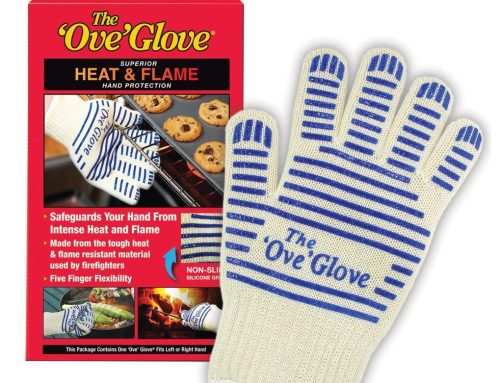
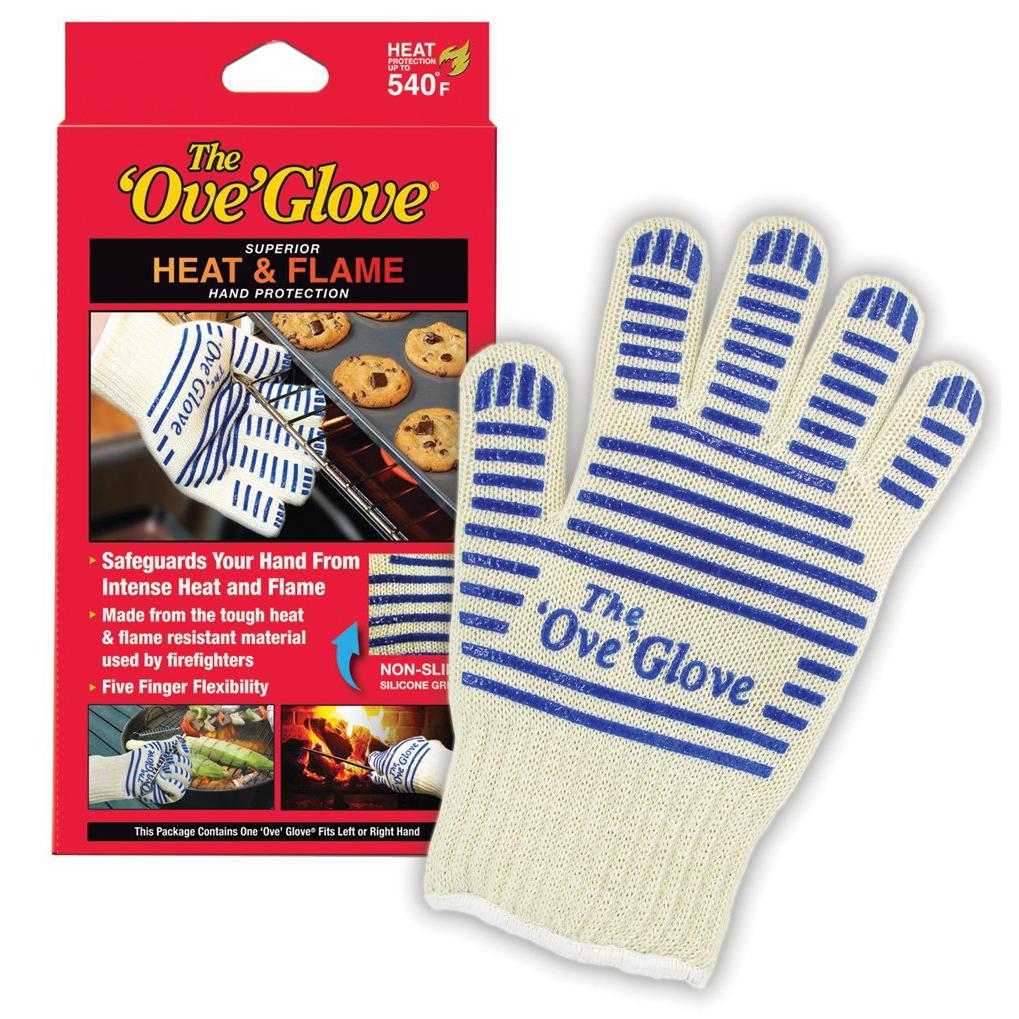
Invest in silicone gloves that offer heat resistance and better grip, like those available here. They are a barrier between your hands and hot surfaces, providing an extra layer of safety. Remember, the stronger your grip, the safer your kitchen activities will be.
Understanding Grip Strength
To improve your grip, it’s important to know what it involves. Grip strength is about more than just holding onto things; it’s about the power and endurance of your hand and wrist muscles.
Building Hand and Wrist Strength
Building strength in your hands and wrists is key to maintaining a firm grip on cookware. Regular exercises can enhance these muscles. Simple activities like squeezing a stress ball or using a hand gripper can make a significant difference.
Try incorporating these exercises into your daily routine. Start with a few repetitions and gradually increase as your strength improves. A consistent practice will lead to better grip strength, making your kitchen tasks safer and easier.
Exercises to Enhance Grip
Enhancing grip strength doesn’t require fancy equipment. Here are some straightforward exercises you can do at home:
-
Finger Squeeze: Use a soft ball; squeeze it with your fingers for 3 seconds, then release.
-
Wrist Curls: Hold a light weight, curl your wrist upwards, and then lower it back.
-
Grip Holds: Grab a heavy item like a frying pan, hold it for 10 seconds, then rest.
These exercises are simple yet effective in strengthening your grip. Consistency is key; perform them daily for the best results. You’ll find that handling cookware becomes less of a task and more of a breeze.
Safe Handling of Hot Cookware
Handling hot cookware requires not just strength but also the right tools and techniques. Let’s explore how you can safely manage hot pots and pans without hazards.
Choosing the Right Tools
The right tools can significantly enhance safety in the kitchen. Opt for utensils and accessories designed for heat resistance and better grip. Pot holders and silicone gloves are essential.
A pot gripper is another tool worth considering. It helps you handle hot cookware safely and is especially useful for those with weaker grip strength. Learn more about pot grippers here. With the right tools, you can manage hot cookware confidently and safely.
Proper Techniques for Lifting
Proper lifting techniques are crucial to prevent accidents. Always approach lifting with caution. Use both hands to balance the weight of the cookware. Keep your elbows close to your body for better support.
When lifting, bend your knees slightly instead of straining your back. This method distributes the weight evenly, reducing the chance of dropping the item. Practice this technique regularly to ensure you handle your cookware safely every time.
Common Cooking Mishaps
Cooking mishaps can happen to anyone, but understanding the common causes can help you avoid them. By identifying risk factors, you can create a safer cooking environment.
Identifying Risk Factors
Recognizing potential risks in the kitchen can prevent accidents. Often, spills and burns occur due to cluttered spaces or wet floors. Keep your kitchen organized and clean to minimize these risks.
Be mindful of your surroundings and remove any obstacles that could cause trips or slips. Pay attention to how you move around the kitchen. Being aware of risk factors is the first step toward preventing kitchen mishaps.
Solutions to Avoid Accidents
Avoiding accidents requires both awareness and action. Here are some solutions:
-
Keep Floors Dry: Wet floors are hazardous; always wipe spills immediately.
-
Organize Your Tools: Store cookware within reach to prevent overreaching or dropping items.
-
Use Proper Lighting: Good lighting helps you see what you’re doing, preventing mistakes.
These solutions are simple yet effective in reducing the likelihood of accidents in the kitchen. Implement them to create a safer cooking space for yourself and others.
Tips for Kitchen Safety
Establishing habits that ensure safety in the kitchen is essential. Let’s look at how you can effectively organize your cooking space and maintain regular safety checks.
Organizing Your Cooking Space
A well-organized kitchen is a safer kitchen. Arrange your workspace so that everything you need is within reach. This reduces the need for unnecessary movements that can lead to accidents.
Consider using storage solutions like hanging racks or drawer organizers. Keep frequently used items in accessible spots. A tidy kitchen not only enhances safety but also makes cooking more enjoyable.
Regular Safety Checks and Maintenance
Regular safety checks are vital for maintaining a secure kitchen environment. Inspect your cookware and utensils frequently for signs of wear or damage. Replace any faulty items to avoid potential hazards.
Schedule periodic maintenance of your kitchen appliances. Ensure everything is functioning correctly to prevent accidents. By staying on top of maintenance, you ensure your kitchen remains a safe place for cooking and creativity.
With these insights, you’ll be well-equipped to handle any culinary task with confidence and safety.

All major credit cards accepted
Free Shipping – Order – Track Order – Contact Us
Essential Safety Tips for Home Chefs
From Burn Risks to Cooking Bliss: Essential Safety Tips for Home Chefs Touching a metal handle heated to 400°F for just one second can cause a sudden, painful burn that leaves a mark far longer than the moment itself. Many home cooks underestimate how quickly these burns happen and how [...]
What You Need to Know for Safe Outdoor Cooking
Grill Flare-Ups: What You Need to Know for Safe Outdoor Cooking Grill flare-ups catch most home cooks off guard, turning a fun outdoor cookout into a risky situation fast. You might think a quick flare-up is just part of grilling, but grease fires and propane flare-ups can quickly get out [...]
Avoiding Burns While Cooking Your Favorite Meals
Air Fryer Safety 101: Avoiding Burns While Cooking Your Favorite Meals Burns from air fryer baskets happen more often than you think. If you’ve ever grabbed a hot tray without the right gear, you know the pain. Learning air fryer safety will keep your hands safe and your meals on [...]
Tips for a Safer Cooking Experience
Burn Prevention for All Skill Levels: Tips for a Safer Cooking Experience Even the most seasoned cooks can find themselves nursing a burn after a hectic night in the kitchen. Fast meal prep, juggling multiple tasks, and brief moments of distraction create perfect conditions for culinary accidents. This post digs [...]
What Home Cooks and Chefs Need to Know
The Real Deal on Silicone Heat Resistance: What Home Cooks and Chefs Need to Know Silicone kitchen tools promise to handle heat like pros, but does their silicone heat resistance really hold up in your oven or on the stove? Many products claim to survive extreme temperatures, yet real kitchens [...]
Mastering High-Temperature Cooking in Commercial Kitchens
Inside the Heat: Mastering High-Temperature Cooking in Commercial Kitchens High-temperature cooking in commercial kitchens isn’t just about turning up the heat—it’s a full-on battle against time, safety risks, and relentless kitchen heat. If you’ve ever wondered how kitchens keep food quality high without burning out staff or gear, you’re about [...]